Engagement
This or that: a Beachline blast out to Cocoa Beach or a Lake County backroad loop. Pick one and tell us why. #RideNationOrlando #OrlandoRiders #CentralFlorida
Giveaway & Countdown
$20,000. One bike. One lucky rider. The BikersWin giveaway is live and 100 percent free to enter. Link in comments. #RideNationOrlando #BikersWin #20kGiveaway
Local FL & Rides
Sugarloaf Mountain and the Clermont hills are calling. Yes, Florida has hills, and the climb rewards you every time. Put it on your list. #RideNationOrlando #Clermont #MotorcycleRoads
Gear & New Iron
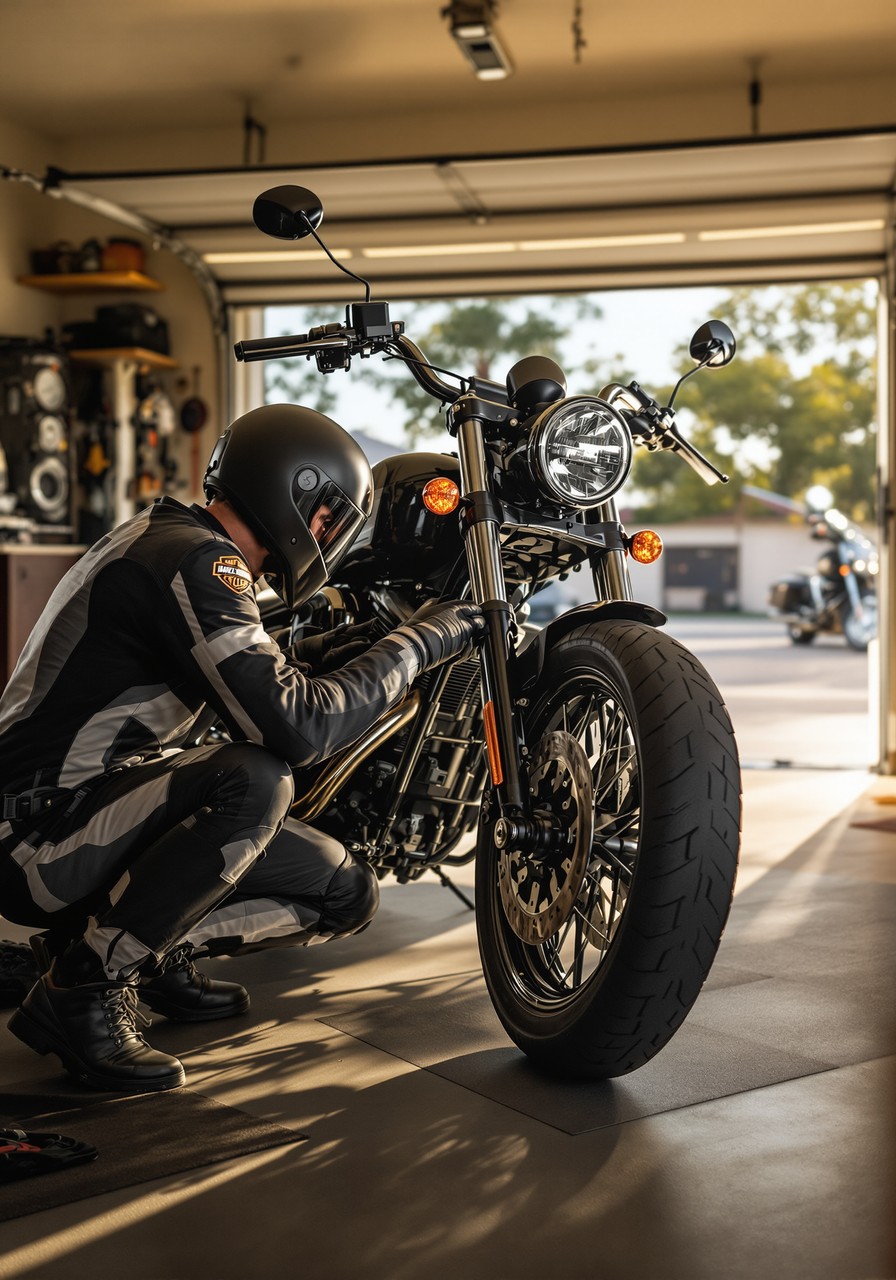
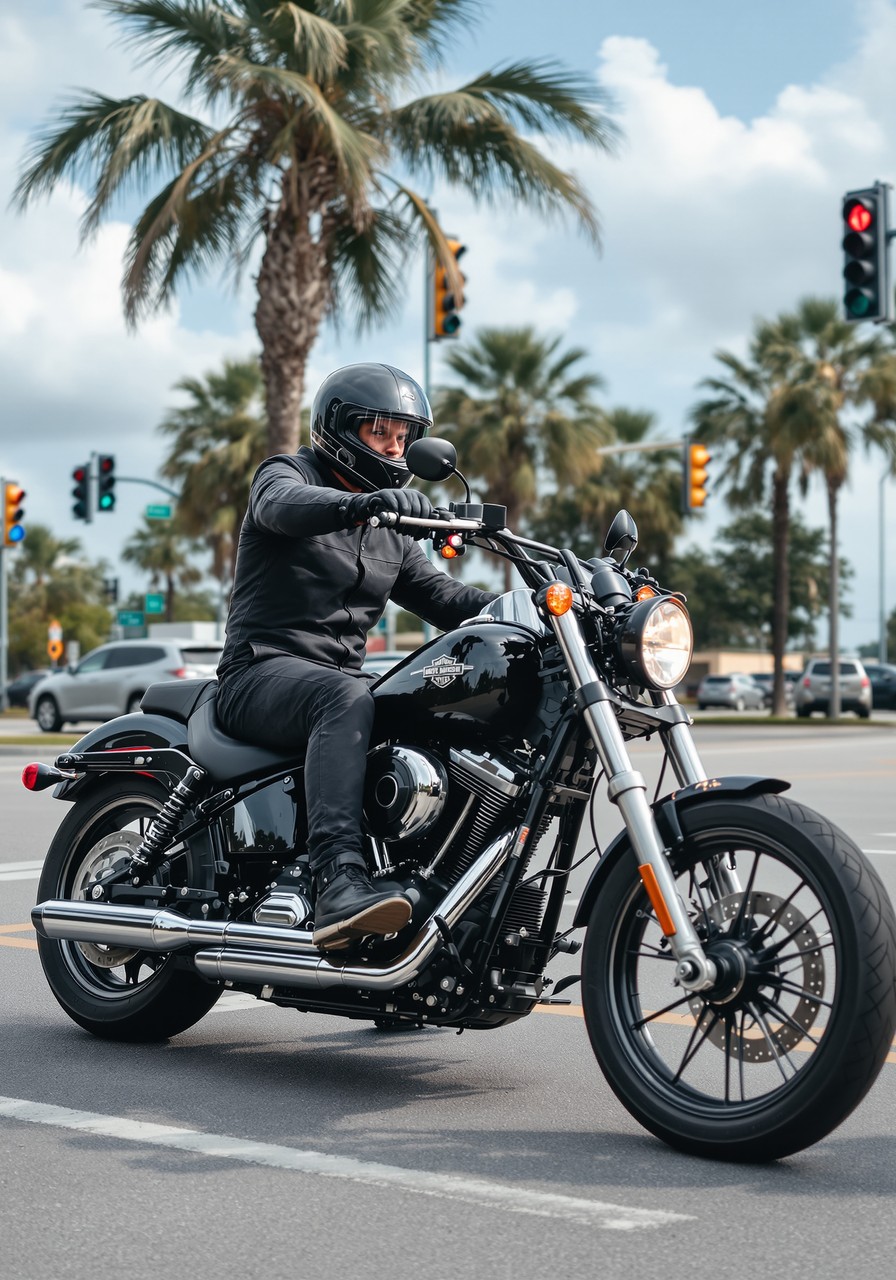
Florida lets you ride without a helmet at 21 if you carry $10,000 in medical coverage, but that law does not stop pavement. A DOT helmet is still the smart call every single ride. #RideNationOrlando #GearUp #ATGATT #RiderTips
Safety & FL Law
Florida fact most riders miss: PIP does NOT cover motorcyclists. A car driver gets PIP for their bills. You do not, which is why strong health coverage and UM/UIM matter. Questions? DeWitt Law Firm, 407-245-7723. #RideNationOrlando #FloridaLaw #UninsuredMotorist
Engagement
Tag your ride-or-die. The one you would call at 6am for a sunrise run. #RideNationOrlando #RideOrDie #OrlandoRiders
Giveaway & Countdown
Imagine rolling out of the shop on a brand new ride you picked yourself, paid with $20,000 that cost you nothing. That could be you. Entry link in the comments. #RideNationOrlando #MotorcycleGiveaway #WinABike
Local FL & Rides
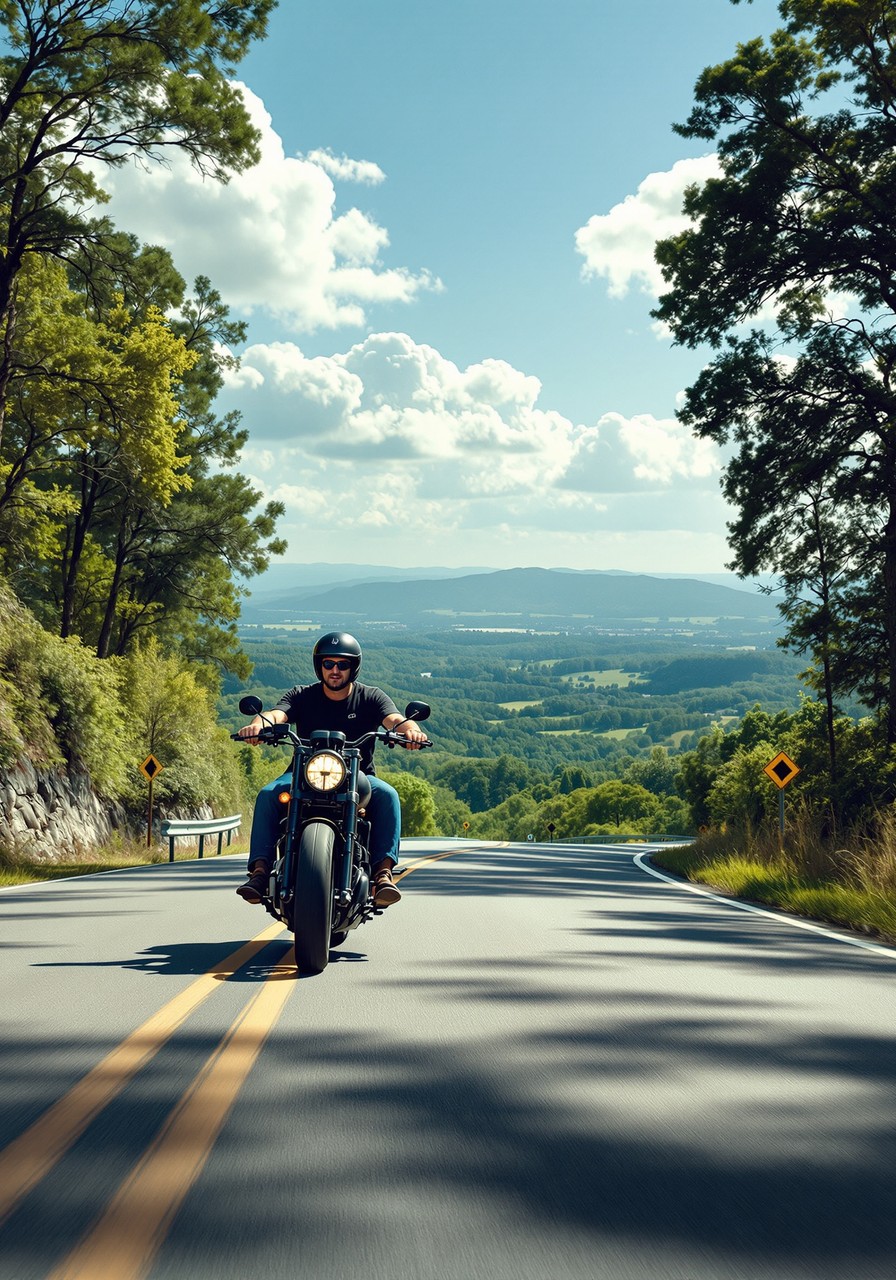
Beachline out to Cocoa Beach at sunrise, salt air and open road before the tourists wake up. Never gets old. #RideNationOrlando #SpaceCoast #CentralFlorida
Gear & New Iron
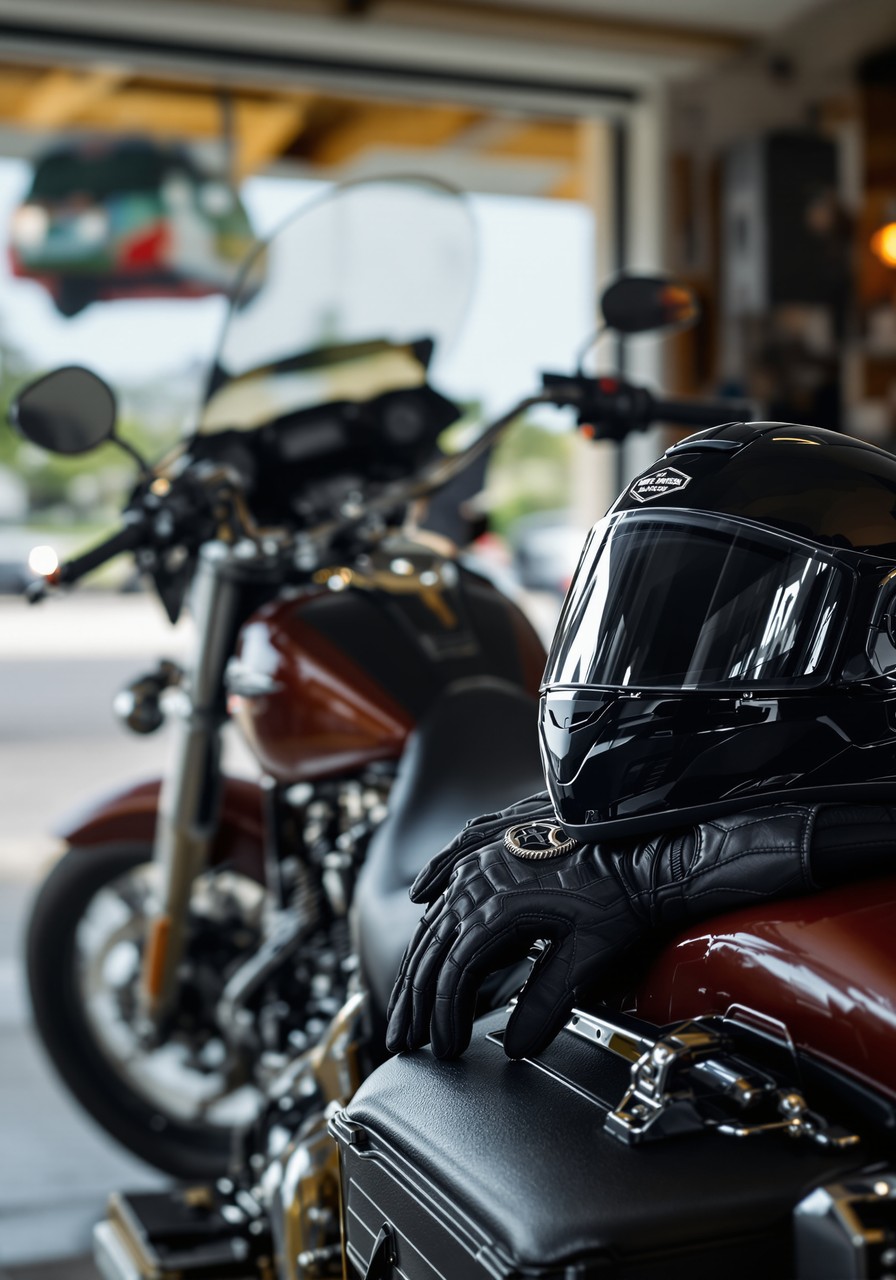
Dropped your helmet in the garage? Replace it. The foam that protects your skull crushes once and you cannot see the damage from the outside. #RideNationOrlando #GearUp #RiderTips
Safety & FL Law
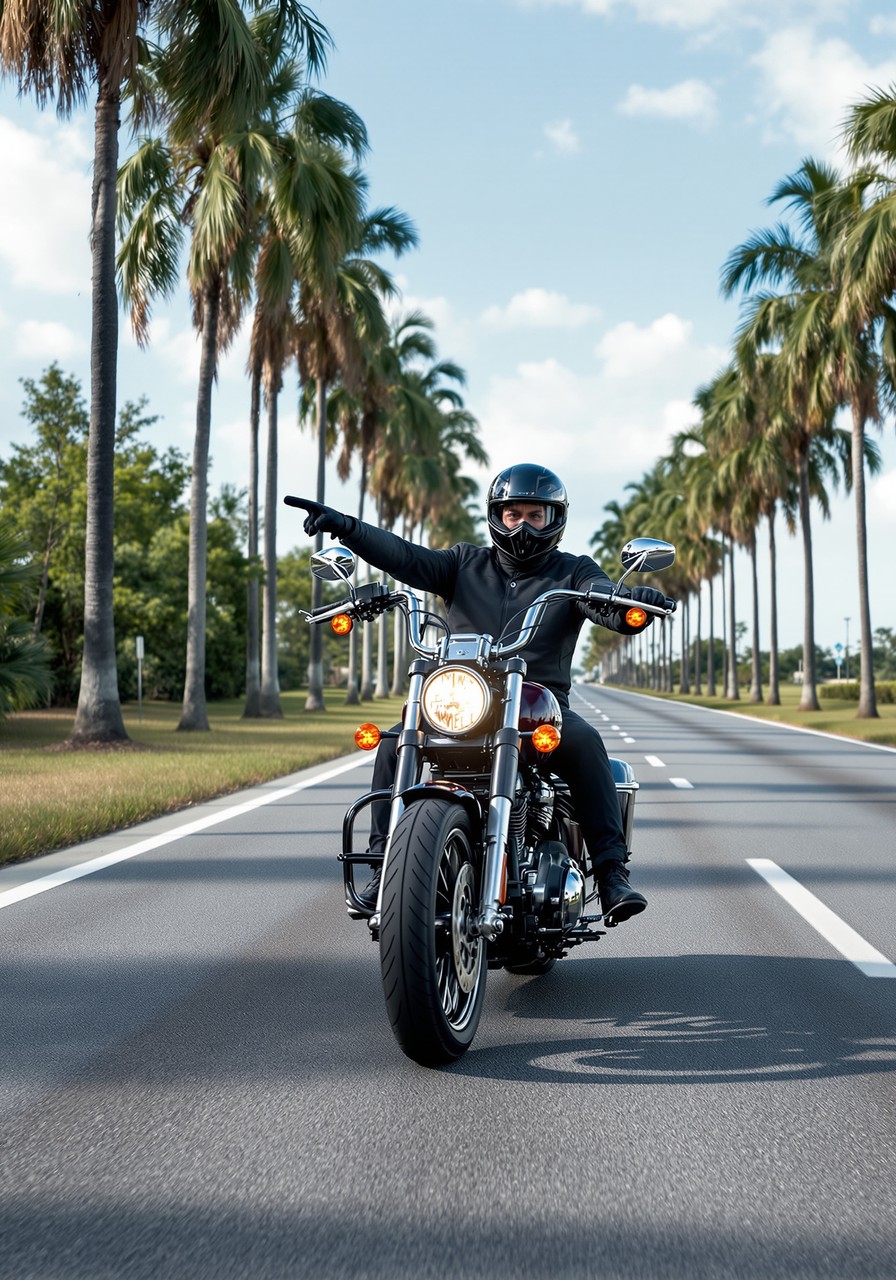
Here is the one that surprises people. In Florida your PIP will not pay your medical bills after a bike crash. It only covers you in a car. Load up on health and UM/UIM. Hurt on two wheels? Moe DeWitt, 407-245-7723. #RideNationOrlando #KnowYourRights #MotorcycleSafety
Engagement
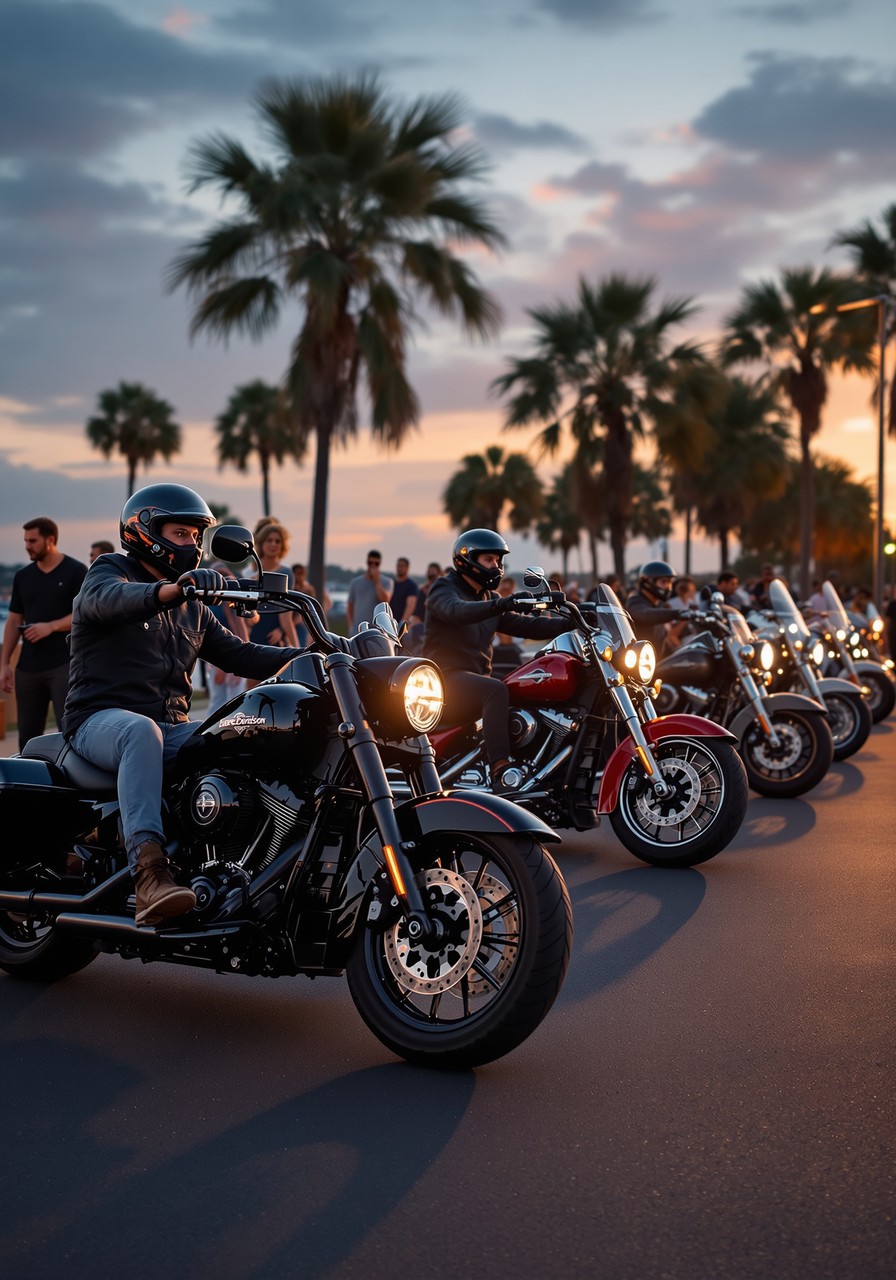
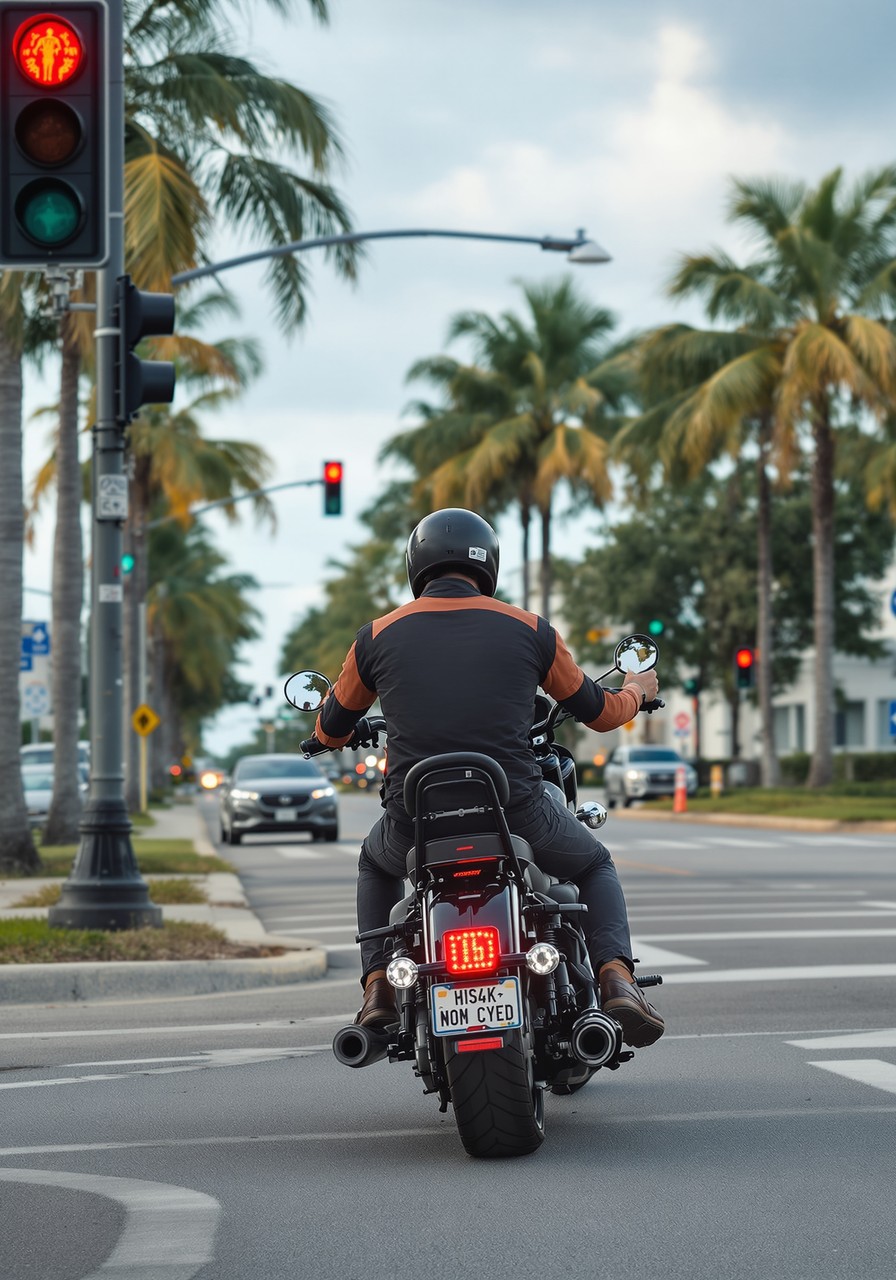
Caption this: you, first red light after a fresh wash, and it starts to drizzle. Go. #RideNationOrlando #FloridaRiders #BikerLife
Giveaway & Countdown
Free to enter, riders 18 and up, drawn December 10. Two minutes and you are in. Entry link in the comments. #RideNationOrlando #FreeToEnter #OrlandoRiders
Local FL & Rides
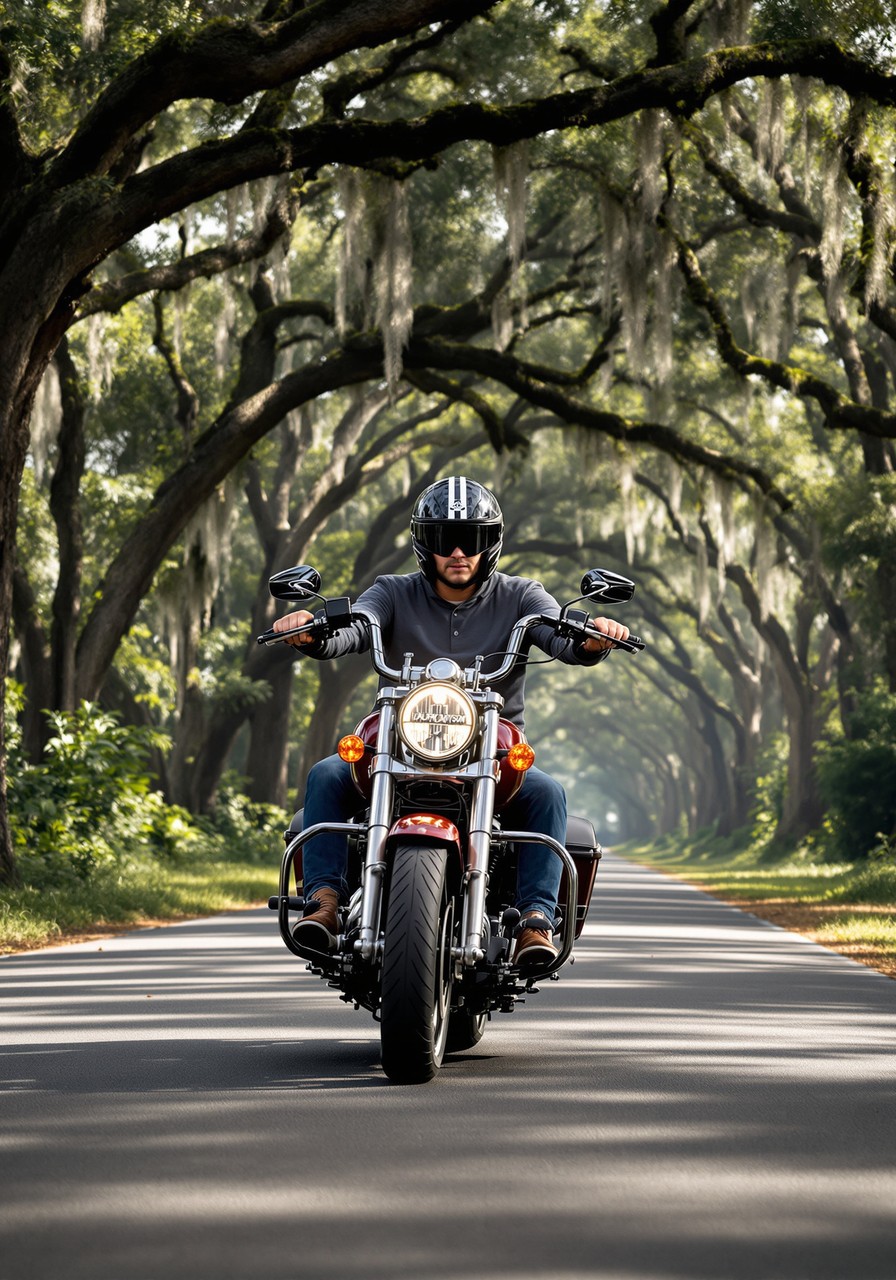
Mount Dora on a cool morning is the reason we ride up here. Twisty streets, lake views, and a coffee stop waiting. #RideNationOrlando #MountDora #LakeCounty
Gear & New Iron
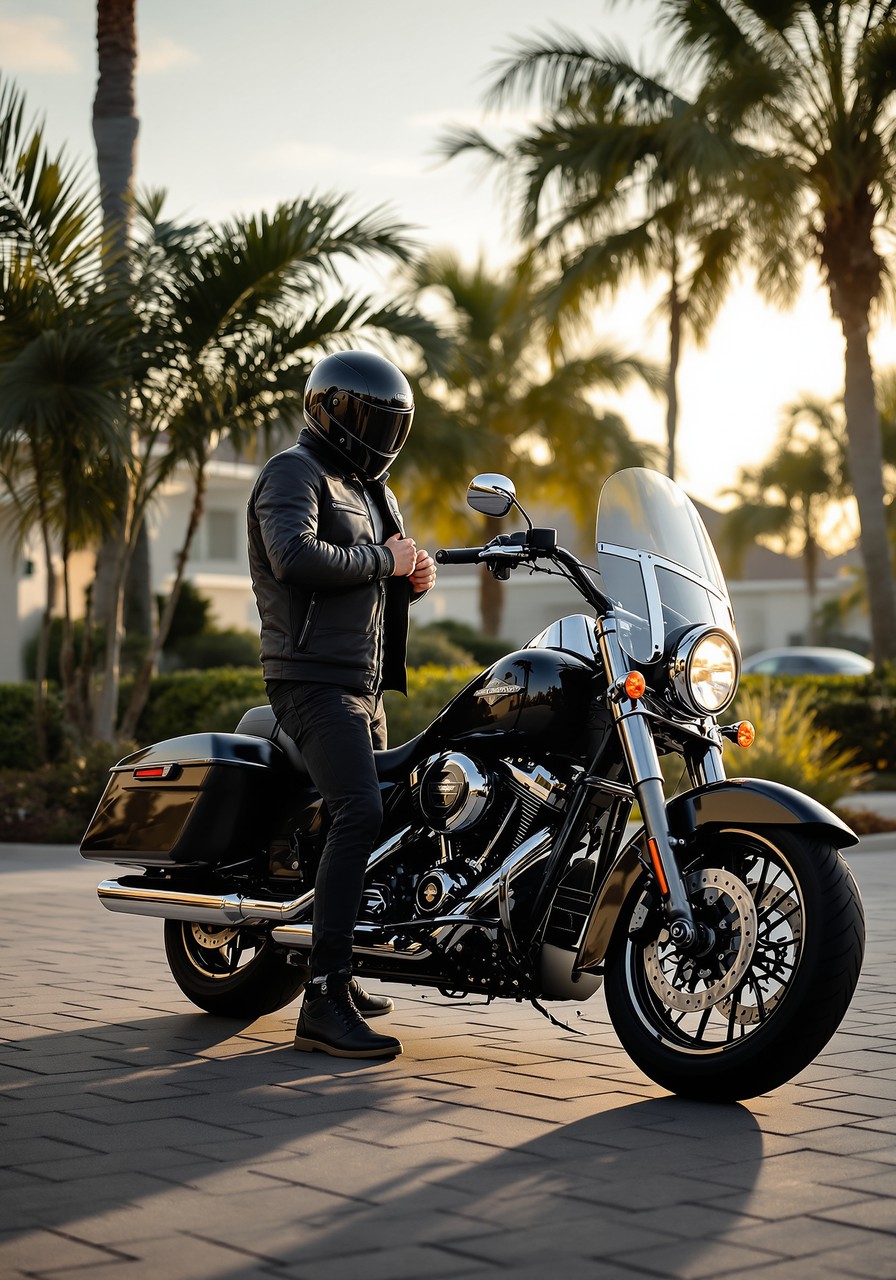
Helmets have a shelf life. If yours is pushing five years old, the liner and glue have broken down in this Florida heat. Time for a new lid. #RideNationOrlando #GearUp #FloridaHeat
Safety & FL Law
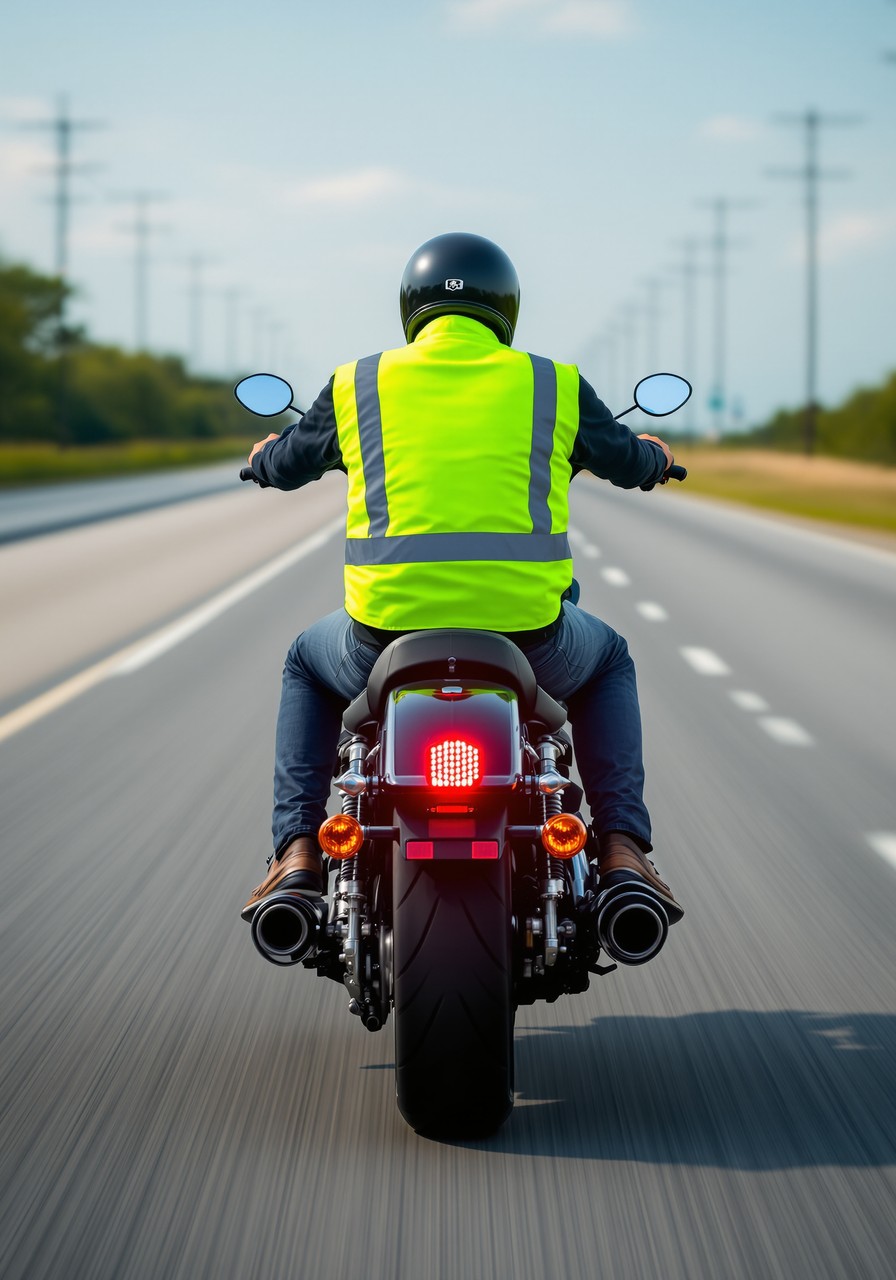
No PIP for riders in Florida. None. That gap is exactly why UM/UIM and solid health insurance are not optional for anyone on two wheels. Want it explained plain? DeWitt Law Firm, no cost to talk, 407-245-7723. #RideNationOrlando #FloridaLaw #RiderSafety
Engagement
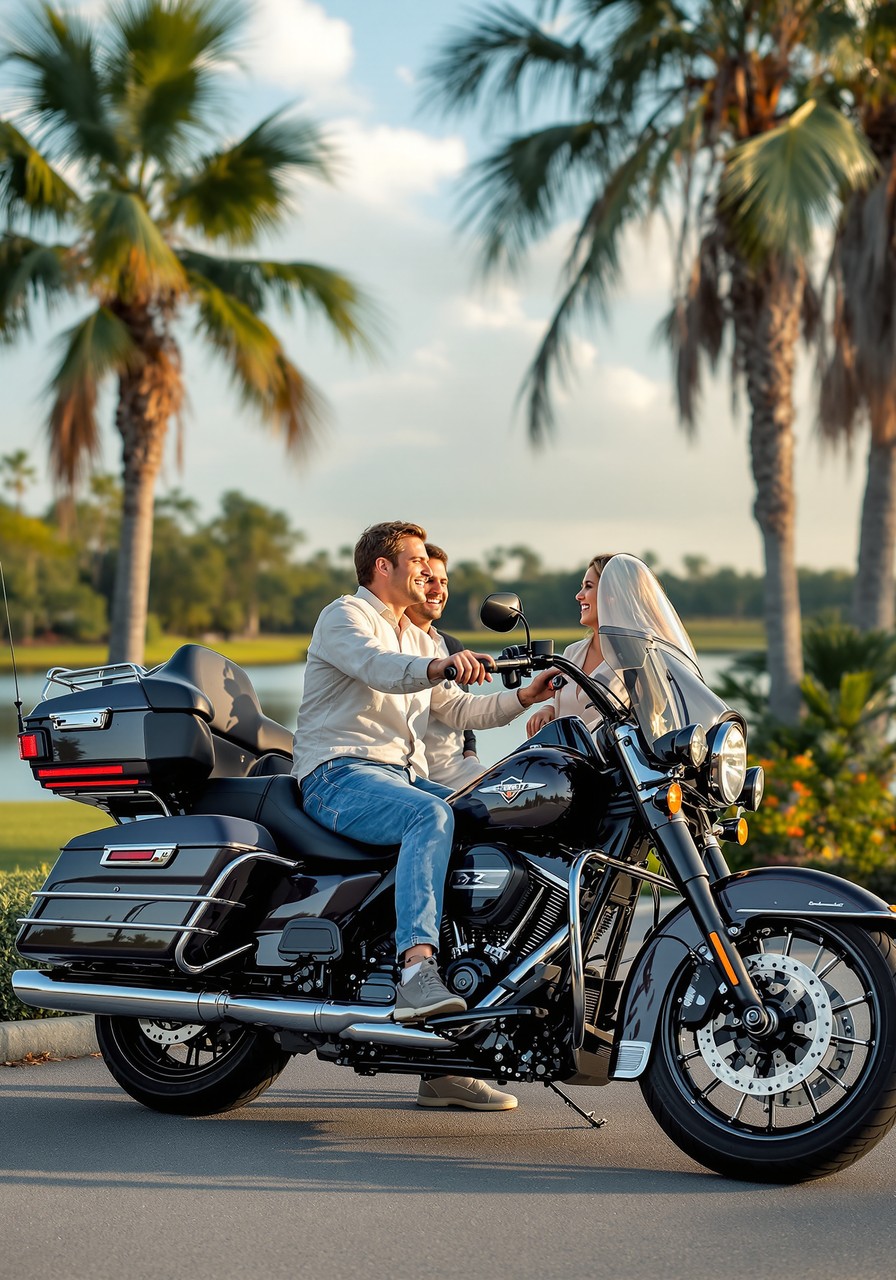
Fill in the blank: my favorite Central Florida road is ______ and nobody can change my mind. #RideNationOrlando #CentralFlorida #TwoWheels
Giveaway & Countdown
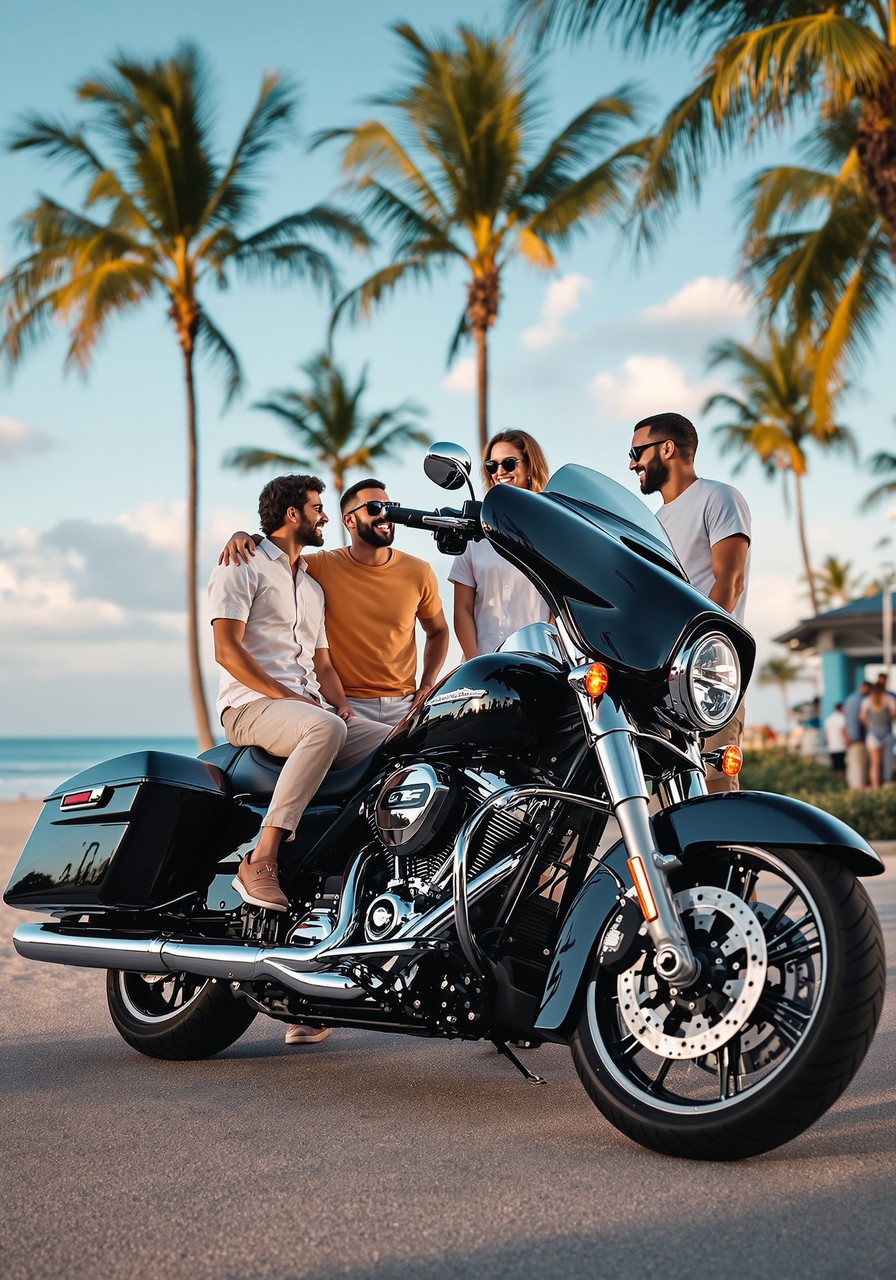
Tag a riding buddy who needs $20,000 toward a new bike. You both should be entered. Link in comments. #RideNationOrlando #BikersWin #CentralFlorida
Local FL & Rides
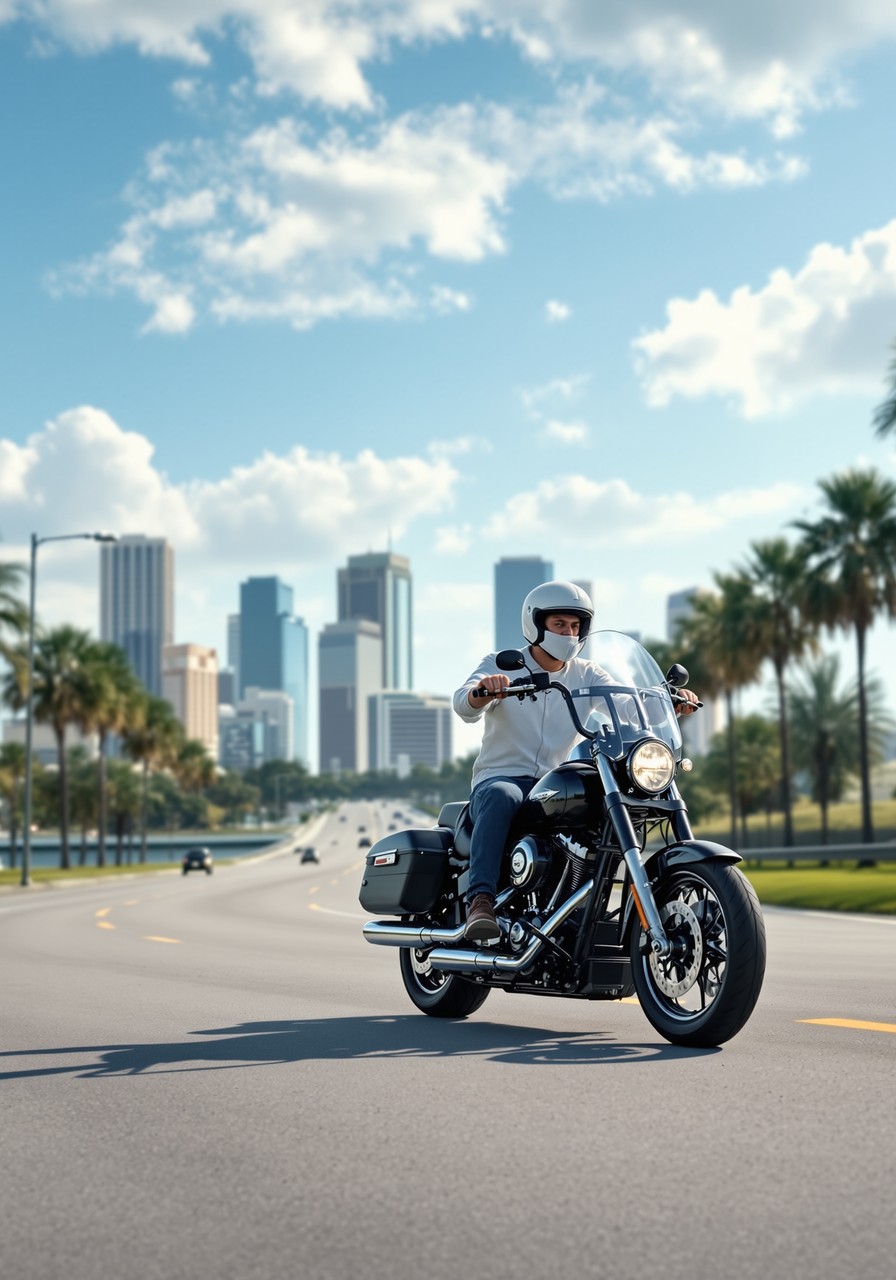
Lake County backroads are gorgeous, but so are the deer and hogs that step out at dusk. Slow it down when the light fades. #RideNationOrlando #LakeCounty #MotorcycleRoads
Gear & New Iron
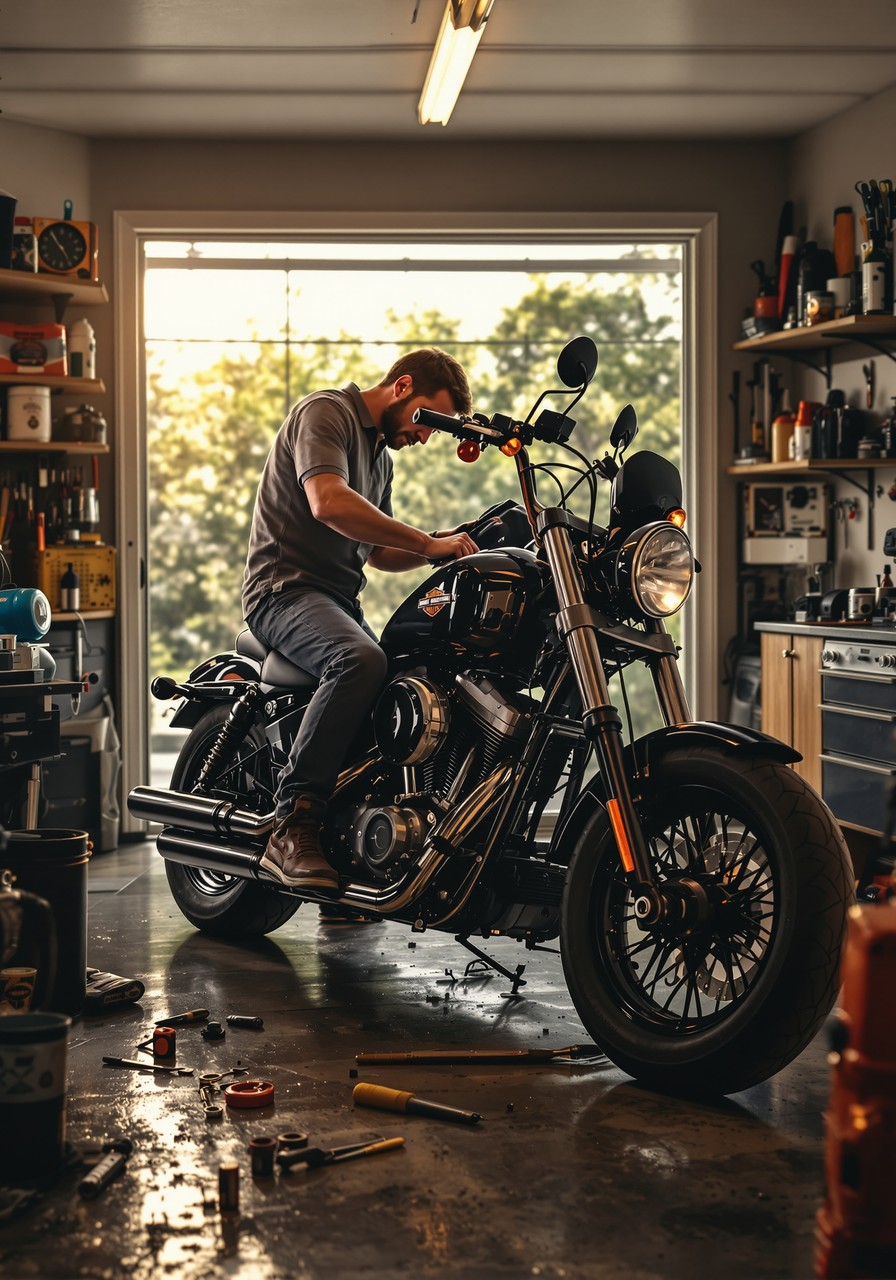
That $30 mesh jacket with no armor is not gear, it is a t-shirt with a zipper. Look for CE rated armor at the shoulders, elbows, and back. #RideNationOrlando #GearUp #ATGATT
Safety & FL Law
Florida does not even require the other driver to carry Bodily Injury coverage. The person who hits you can have zero for your injuries. UM/UIM is your real lifeline. Hurt in a crash? Moe DeWitt rides for you, 407-245-7723. #RideNationOrlando #UninsuredMotorist
Engagement
Poll: coffee stop before the ride or coffee stop mid ride. There is a right answer. Drop it below. #RideNationOrlando #OrlandoRiders #BikerLife
Giveaway & Countdown
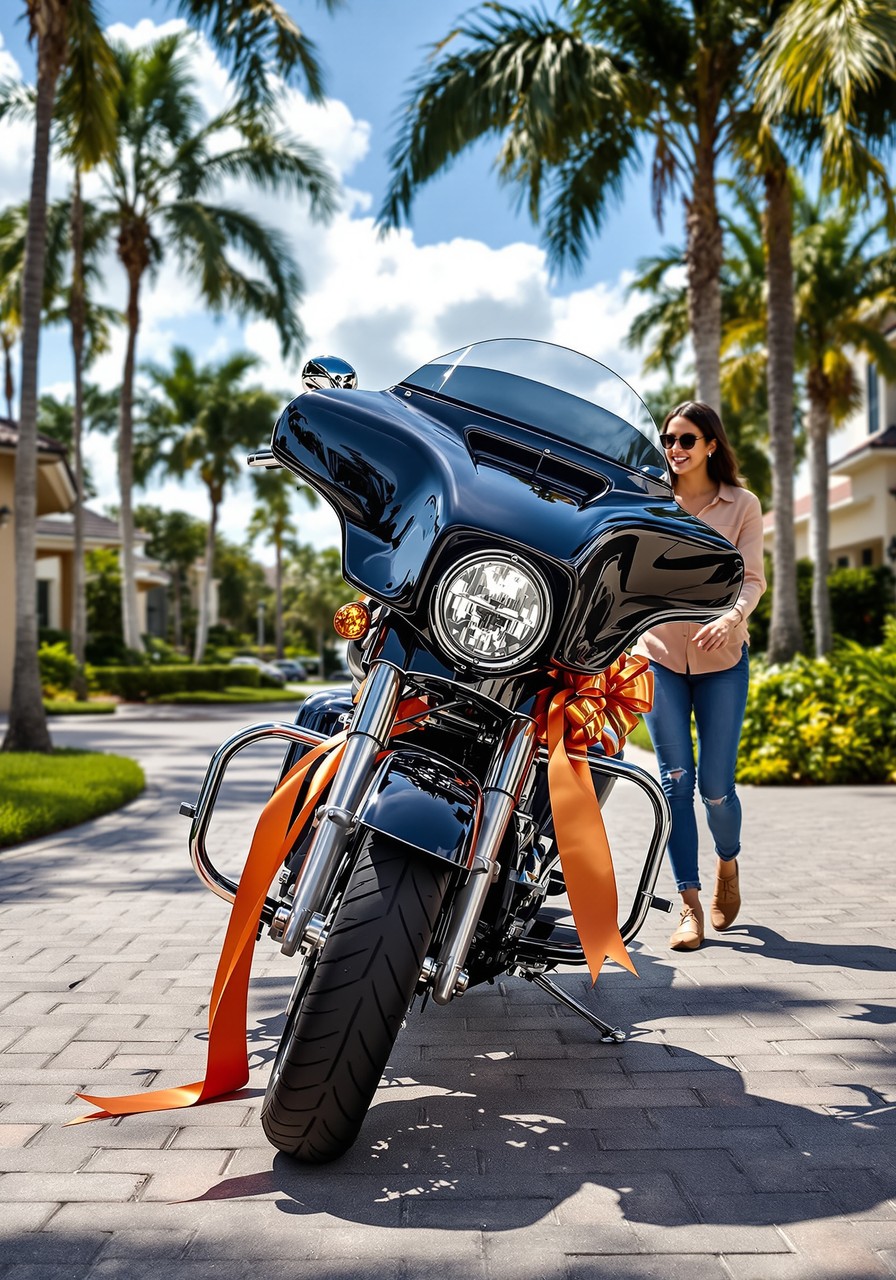
Why not you? Somebody is winning $20,000 on December 10. Might as well be an Orlando rider. Entry link in the comments. #RideNationOrlando #20kGiveaway #OrlandoRiders
Local FL & Rides
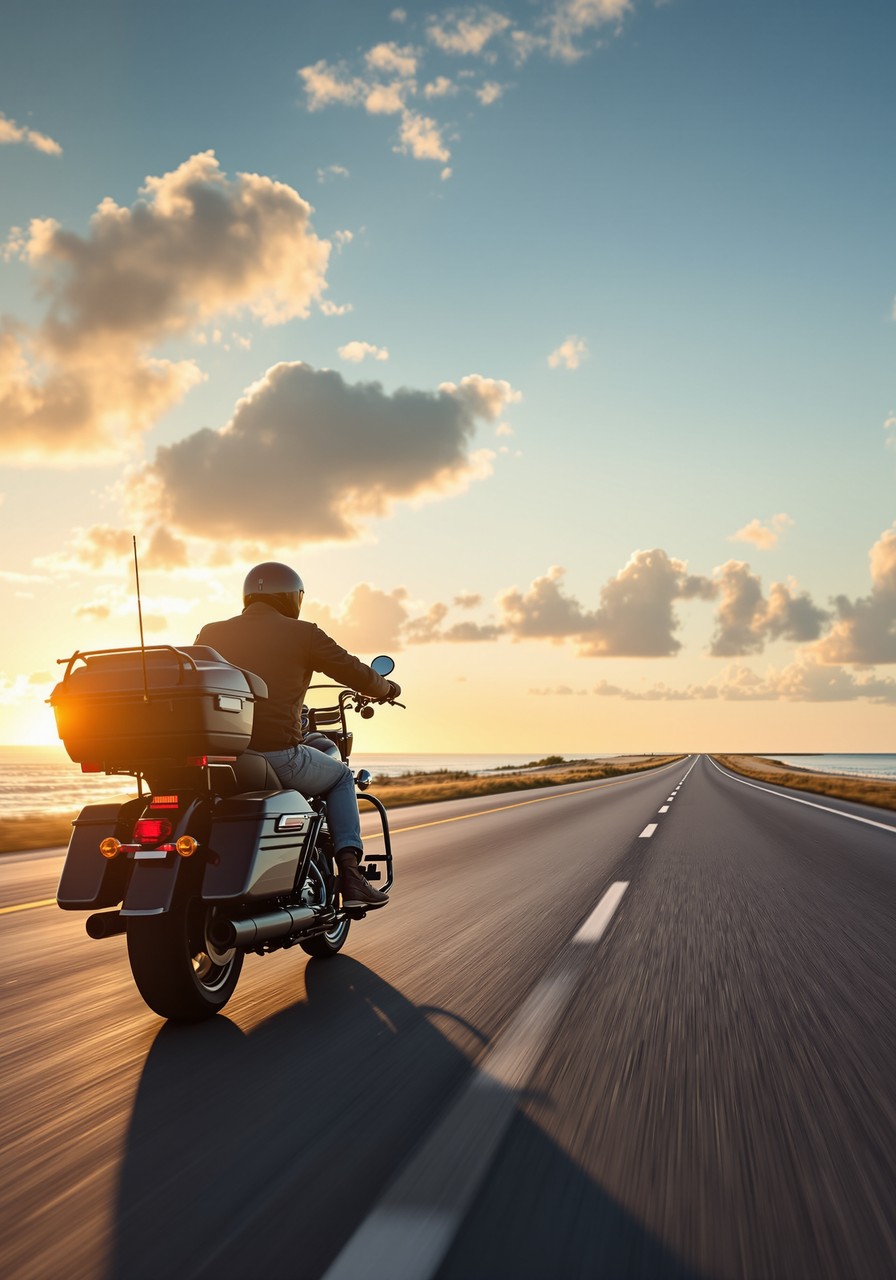
The 408 gets you across town fast, but every ramp merge is somebody looking at their phone. Ride like you are invisible out there. #RideNationOrlando #OrlandoRiders #CentralFlorida
Gear & New Iron
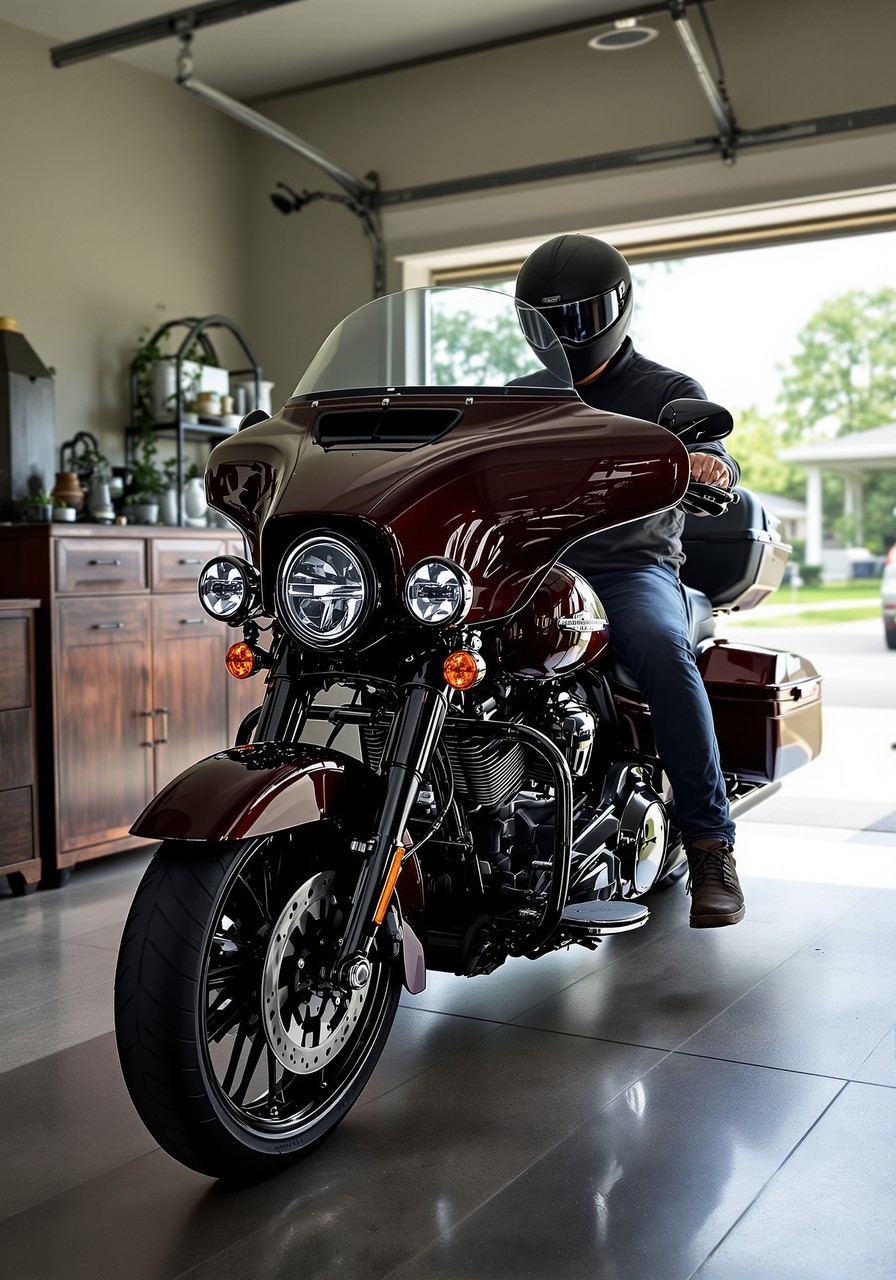
CE Level 2 armor takes more impact than Level 1. Check the little tag inside your jacket. If you cannot find a rating, assume there is none. #RideNationOrlando #GearUp #RiderTips
Safety & FL Law
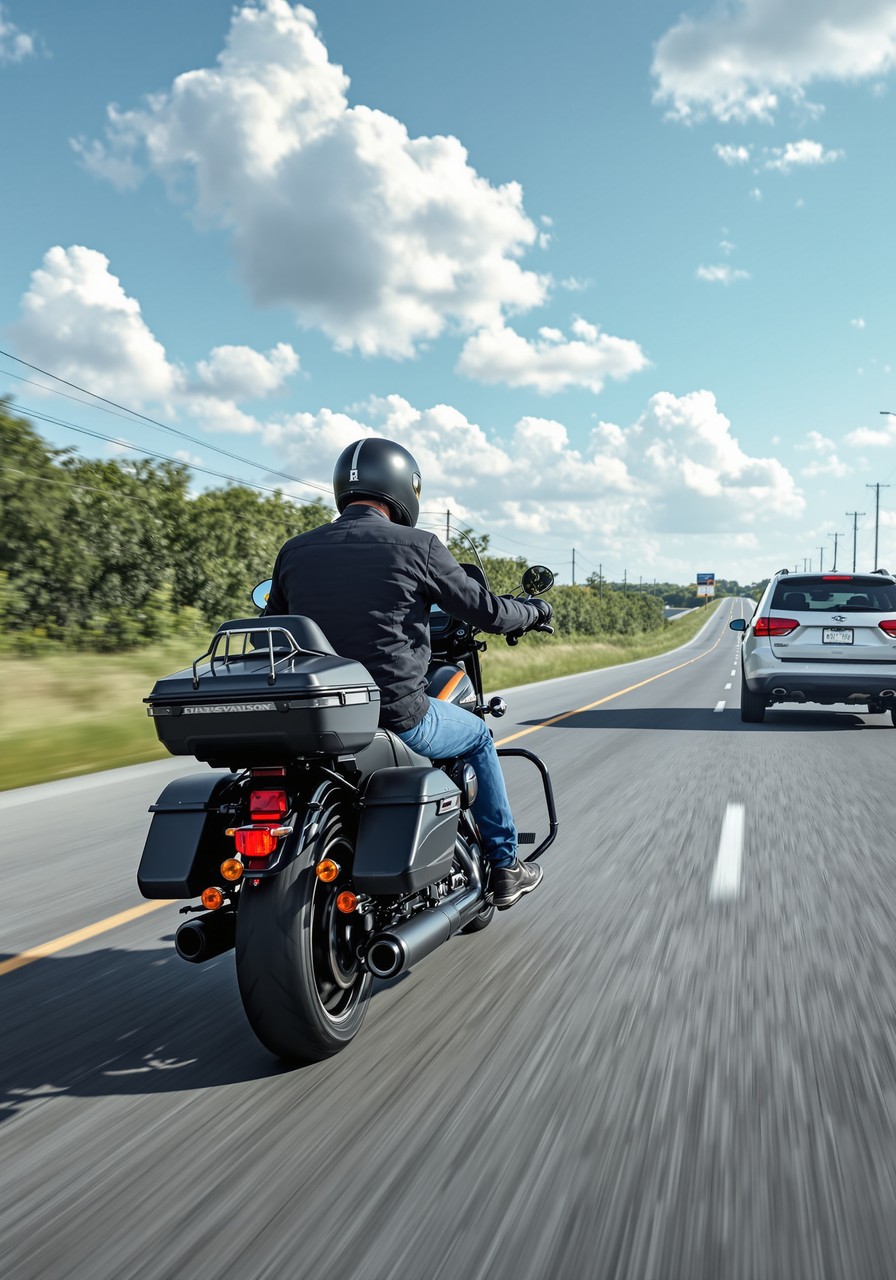
Truth about Florida roads: plenty of drivers carry no injury coverage at all, because the state does not make them. Your UM/UIM is what protects you when they cannot. Questions before you ride? DeWitt Law Firm, 407-245-7723. #RideNationOrlando #KnowYourRights
Engagement
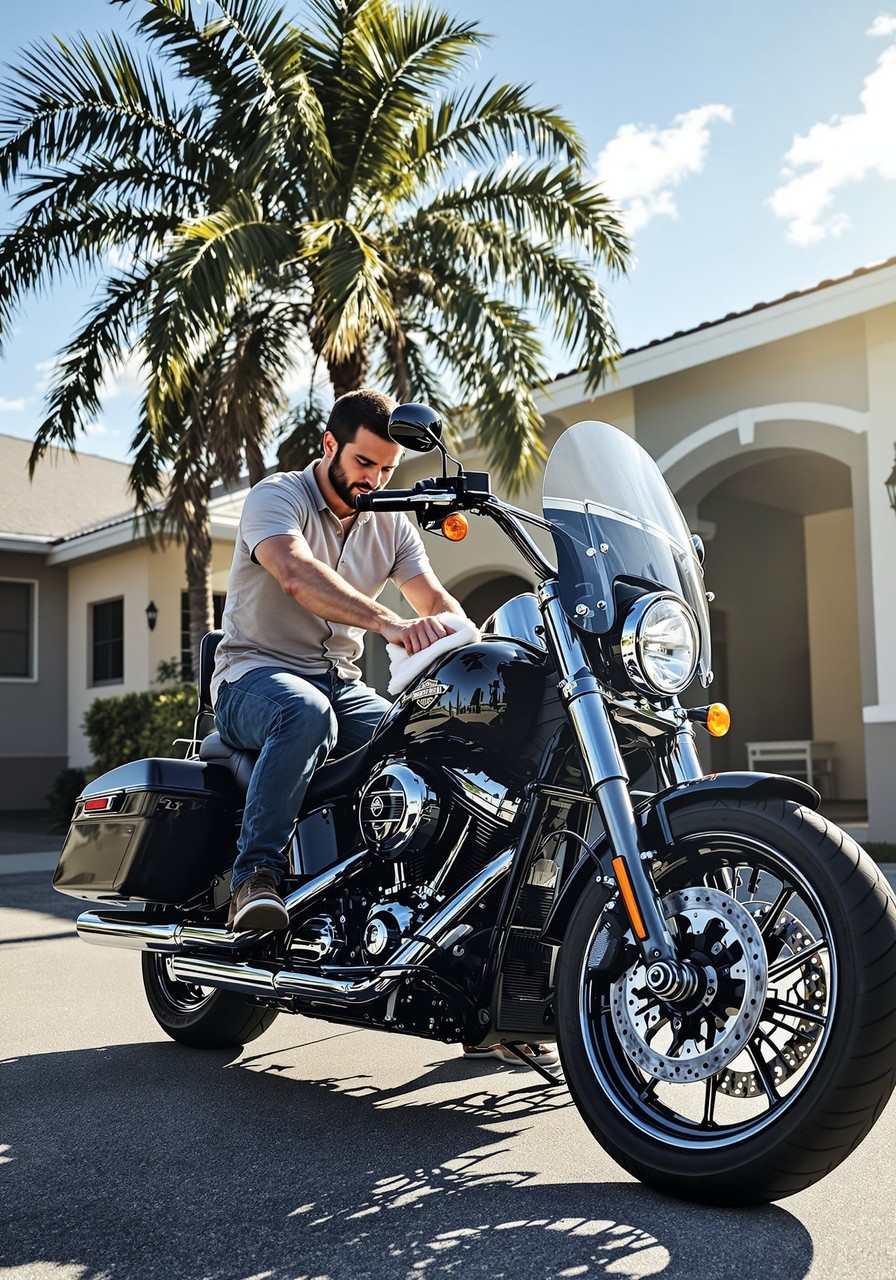
Quick one: cruiser, sport, adventure, or standard. Name your daily and why it fits Florida. #RideNationOrlando #TwoWheels #FloridaRiders
Giveaway & Countdown
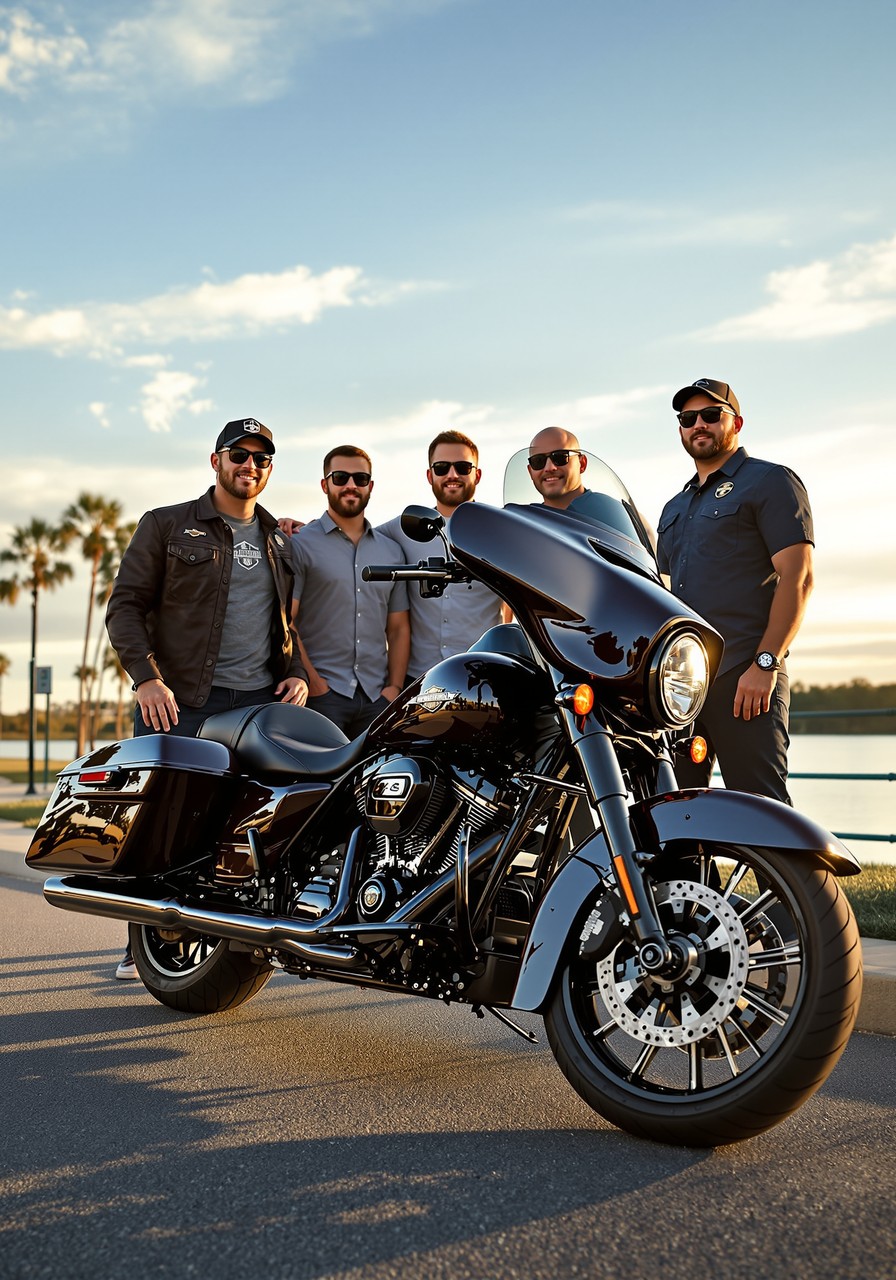
What would you buy with $20,000 toward any motorcycle you want? Tell us below, then get entered. Link in comments. #RideNationOrlando #WinABike #MotorcycleGiveaway
Local FL & Rides
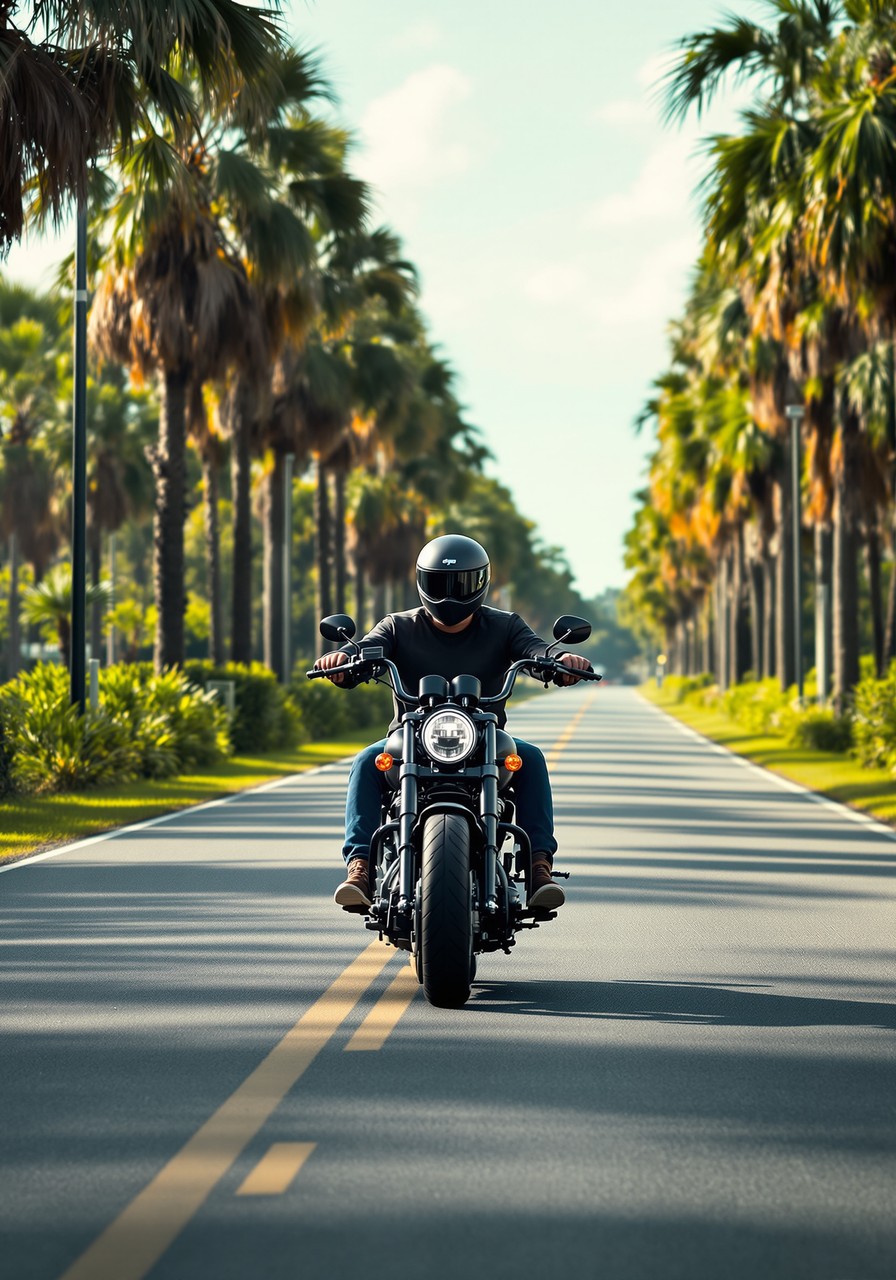
The 417 GreeneWay is smooth and open on an early Sunday. Pick your gap, hold your line, and enjoy the miles. #RideNationOrlando #OrlandoRiders #MotorcycleRoads
Gear & New Iron
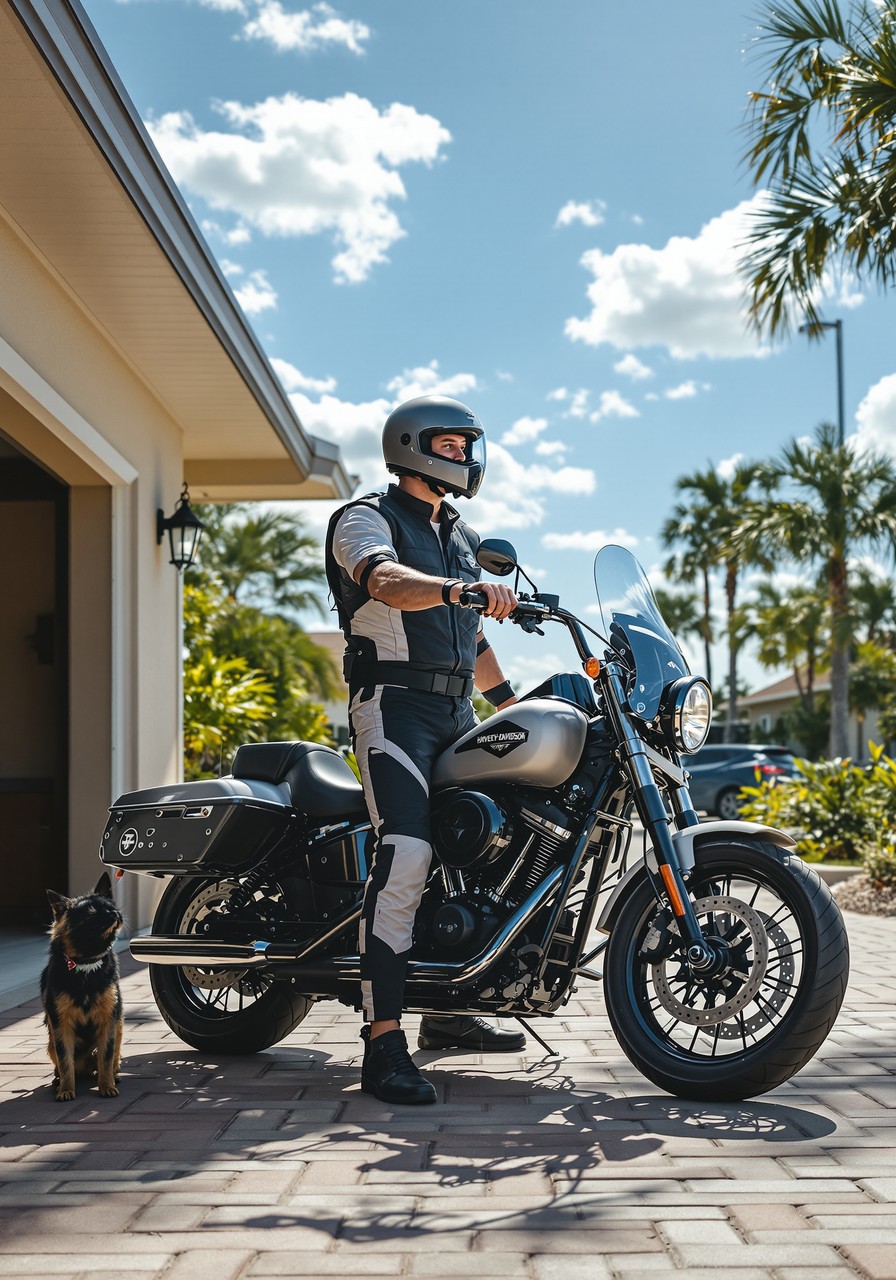
Central Florida heat makes full gear feel impossible, so buy for the heat. Ventilated mesh with real airflow and CE armor beats a tank top every time. #RideNationOrlando #GearUp #FloridaHeat #ATGATT
Safety & FL Law
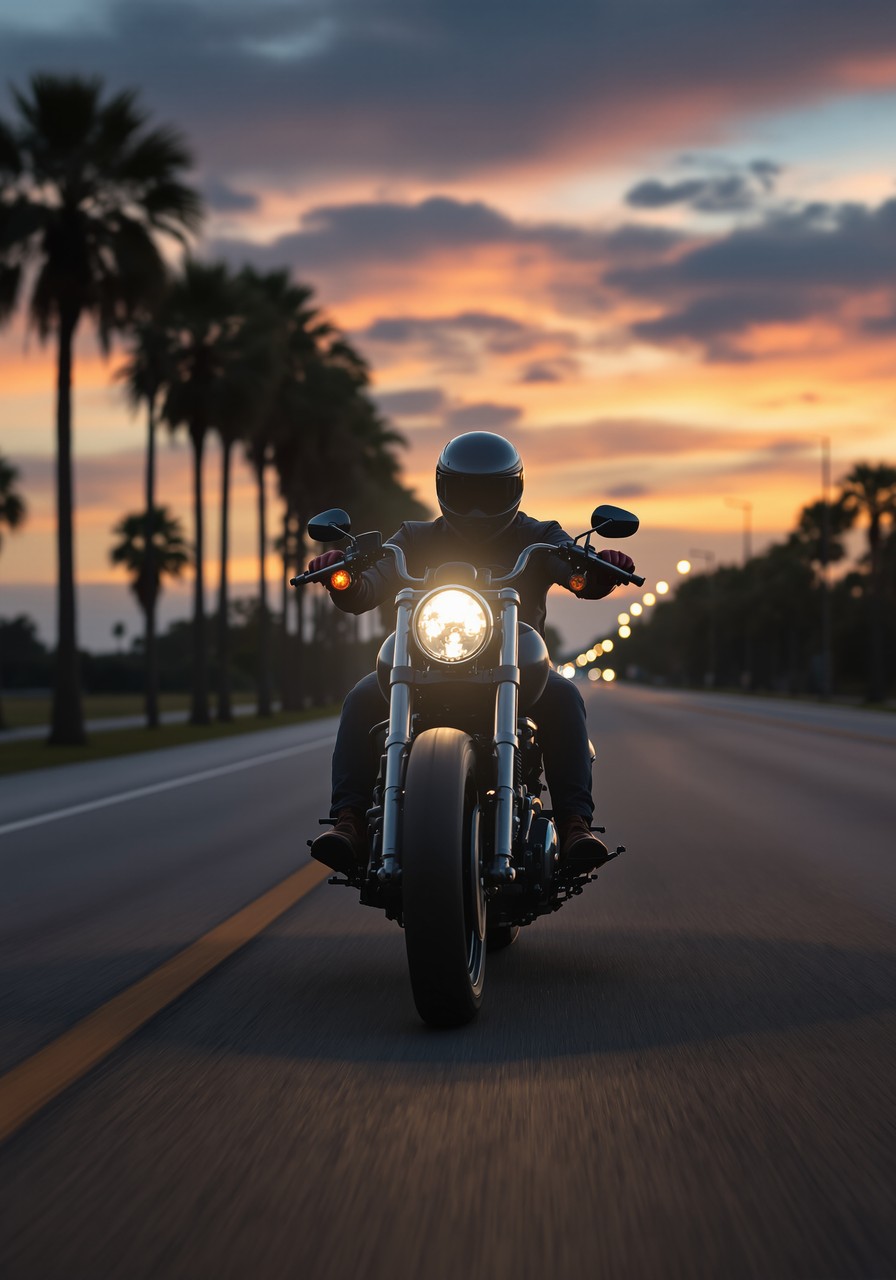
If an uninsured driver takes you down in Florida, your own UM/UIM may be the only coverage in play. Check your policy before you need it. Already hurt? Talk to Moe DeWitt free, 407-245-7723. #RideNationOrlando #UninsuredMotorist #RiderSafety
Engagement
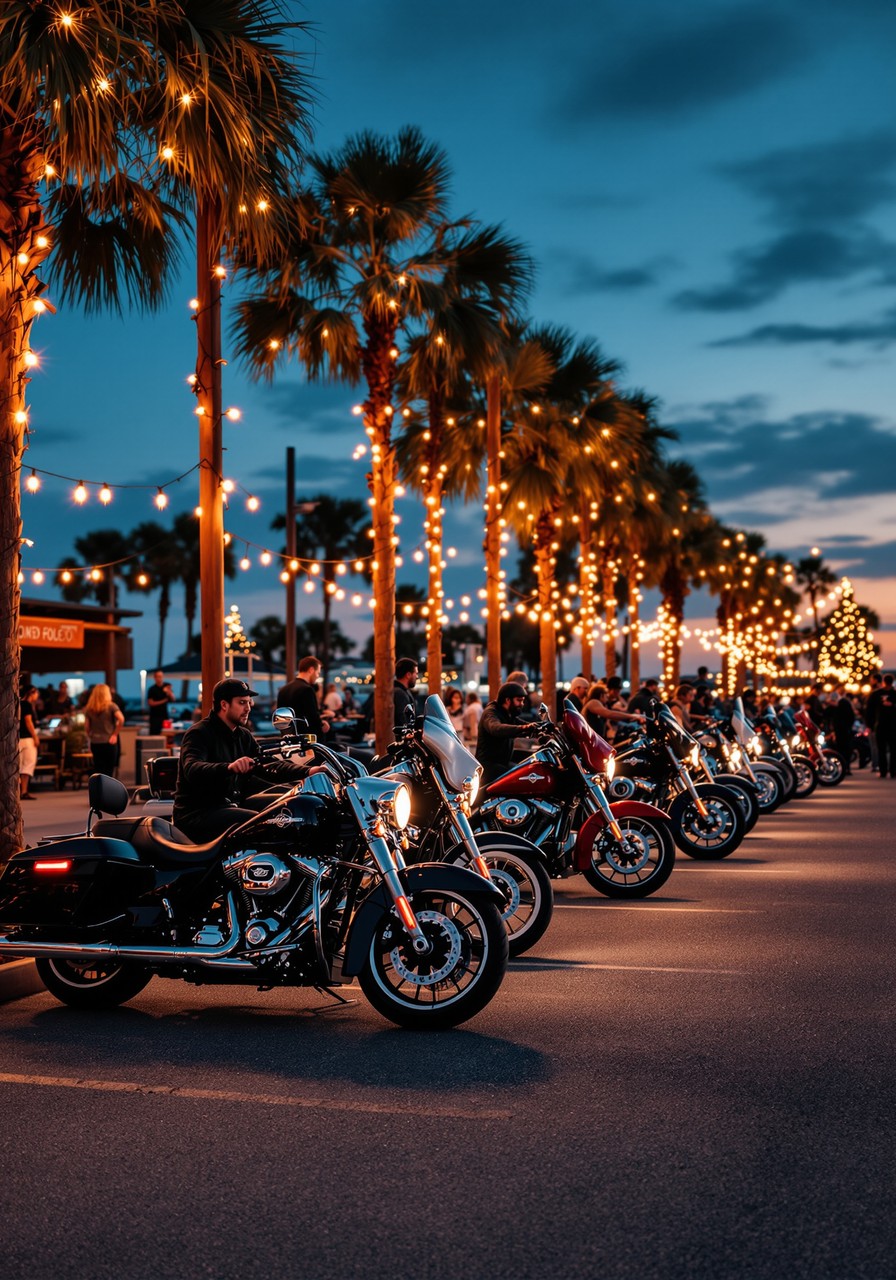
This or that: 6am sunrise ride or 9pm cool-down cruise. Which one is you in December? #RideNationOrlando #CentralFlorida #OrlandoRiders
Giveaway & Countdown
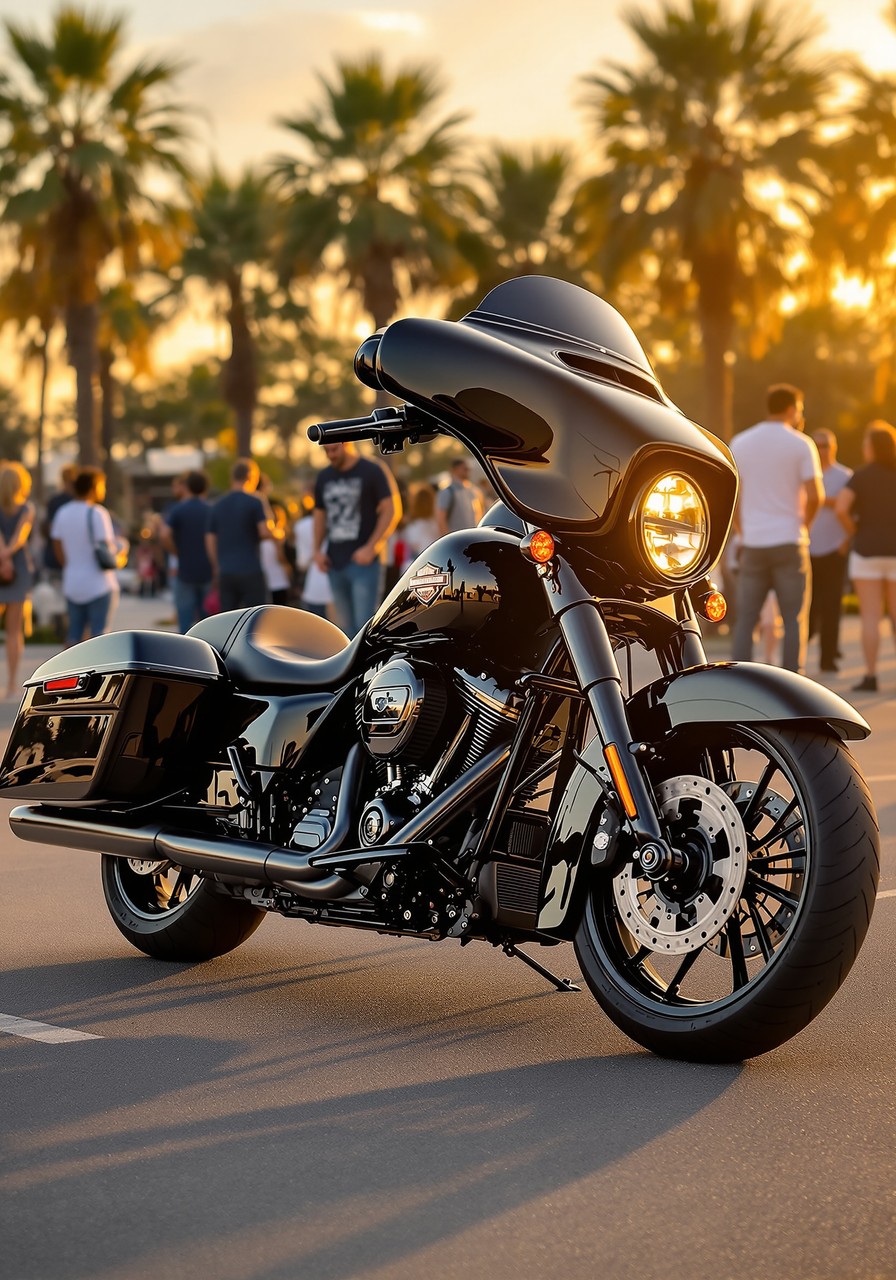
The countdown is on. December 10 is the draw and it is 100 percent free to get in. Entry link in the comments. #RideNationOrlando #BikersWin #CentralFlorida
Local FL & Rides
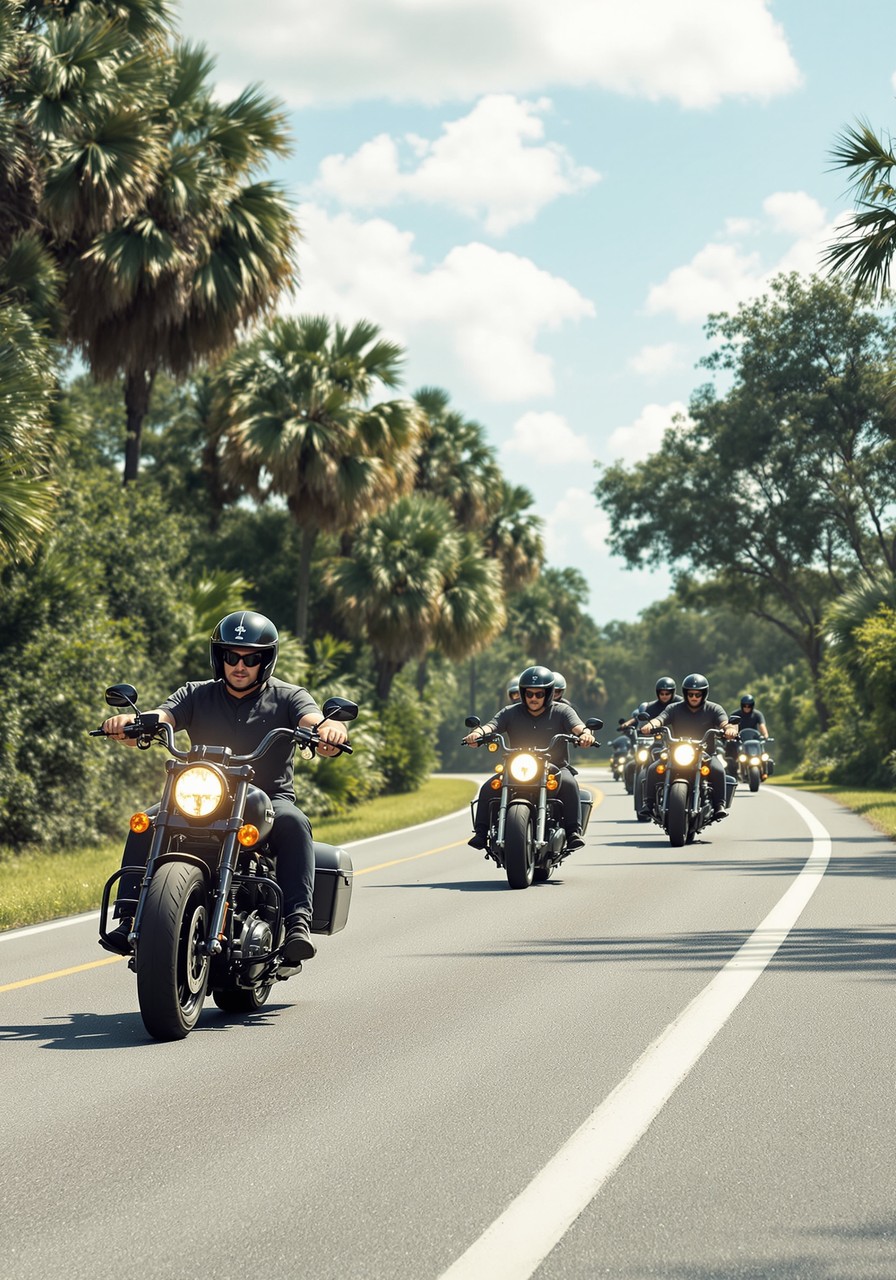
The I-4 Ultimate zone shifts lanes and barriers with no warning. Leave extra room and keep your eyes way down the road. #RideNationOrlando #OrlandoRiders #CentralFlorida
Gear & New Iron
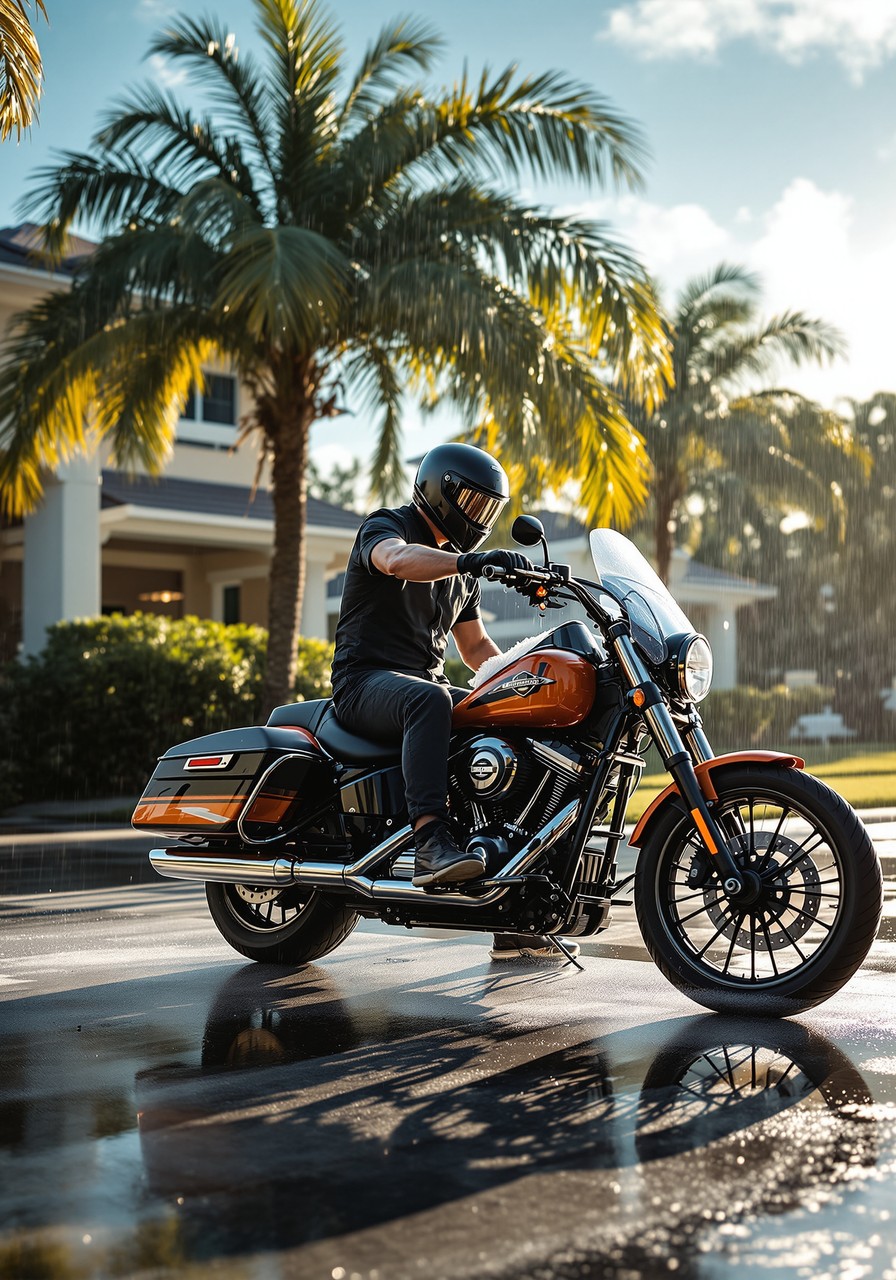
Riding in shorts because it is 95 out? Road rash does not care about the weather. Mesh riding pants breathe and still save your skin. #RideNationOrlando #ATGATT #FloridaHeat
Safety & FL Law
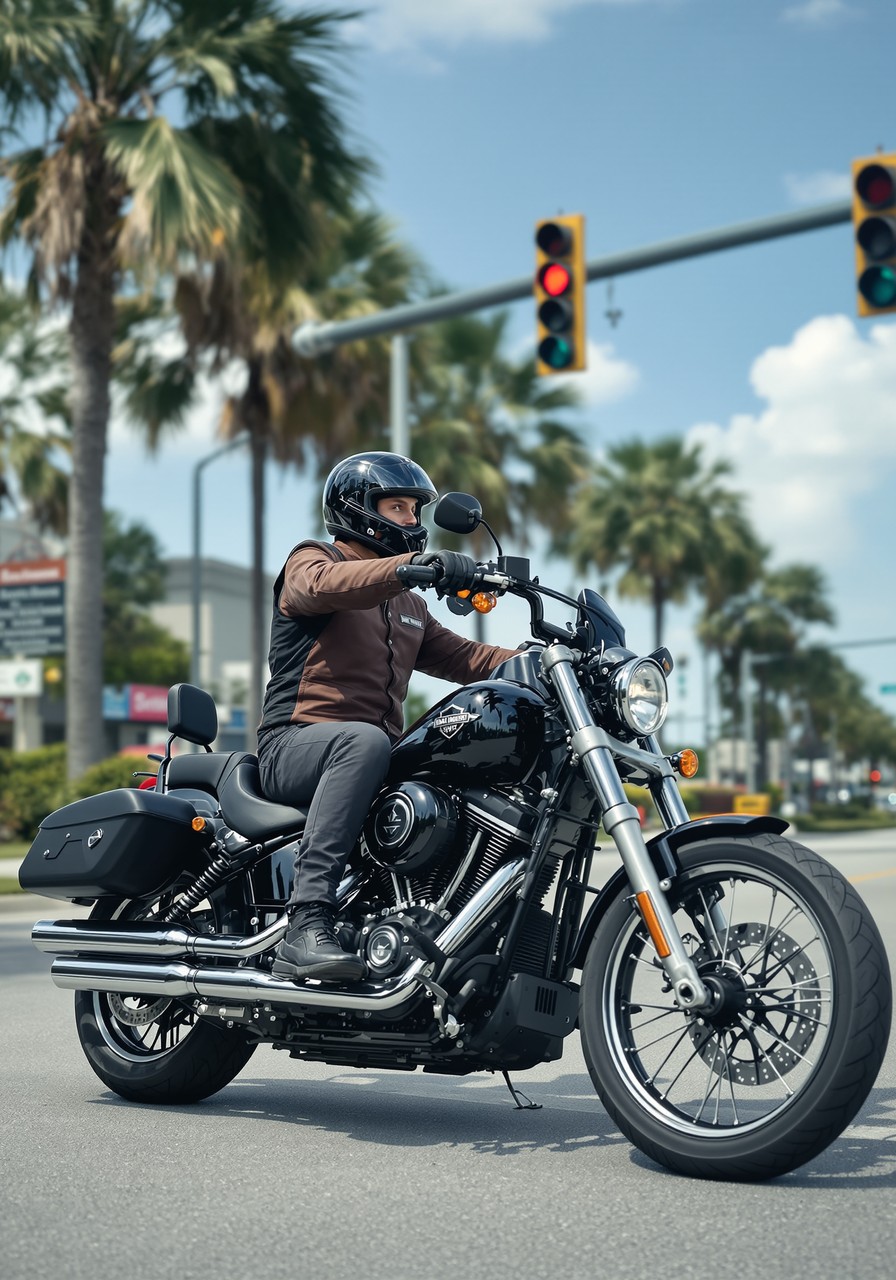
Since the 2023 reform Florida runs on modified comparative negligence with a 51 percent bar. Cross half the fault and you recover nothing. How the crash gets documented matters. Questions? DeWitt Law Firm, 407-245-7723. #RideNationOrlando #FloridaLaw #KnowYourRights
Engagement
Tag the rider who always shows up late but always shows up. We love them anyway. #RideNationOrlando #RideOrDie #BikerLife
Giveaway & Countdown
One winner. $20,000. Any bike they want. Costs you nothing to have a shot. Link in comments. Questions after a wreck? DeWitt Law Firm, 407-245-7723. #RideNationOrlando #20kGiveaway #FreeToEnter
Local FL & Rides
The Wekiva basin roads wind through real old Florida shade and springs. Take the long way home through there. #RideNationOrlando #CentralFlorida #MotorcycleRoads
Gear & New Iron
Hydration is gear. Central Florida humidity dehydrates you fast under a jacket, so drink before you feel thirsty and stash water for the ride. #RideNationOrlando #RiderTips #FloridaHeat
Safety & FL Law
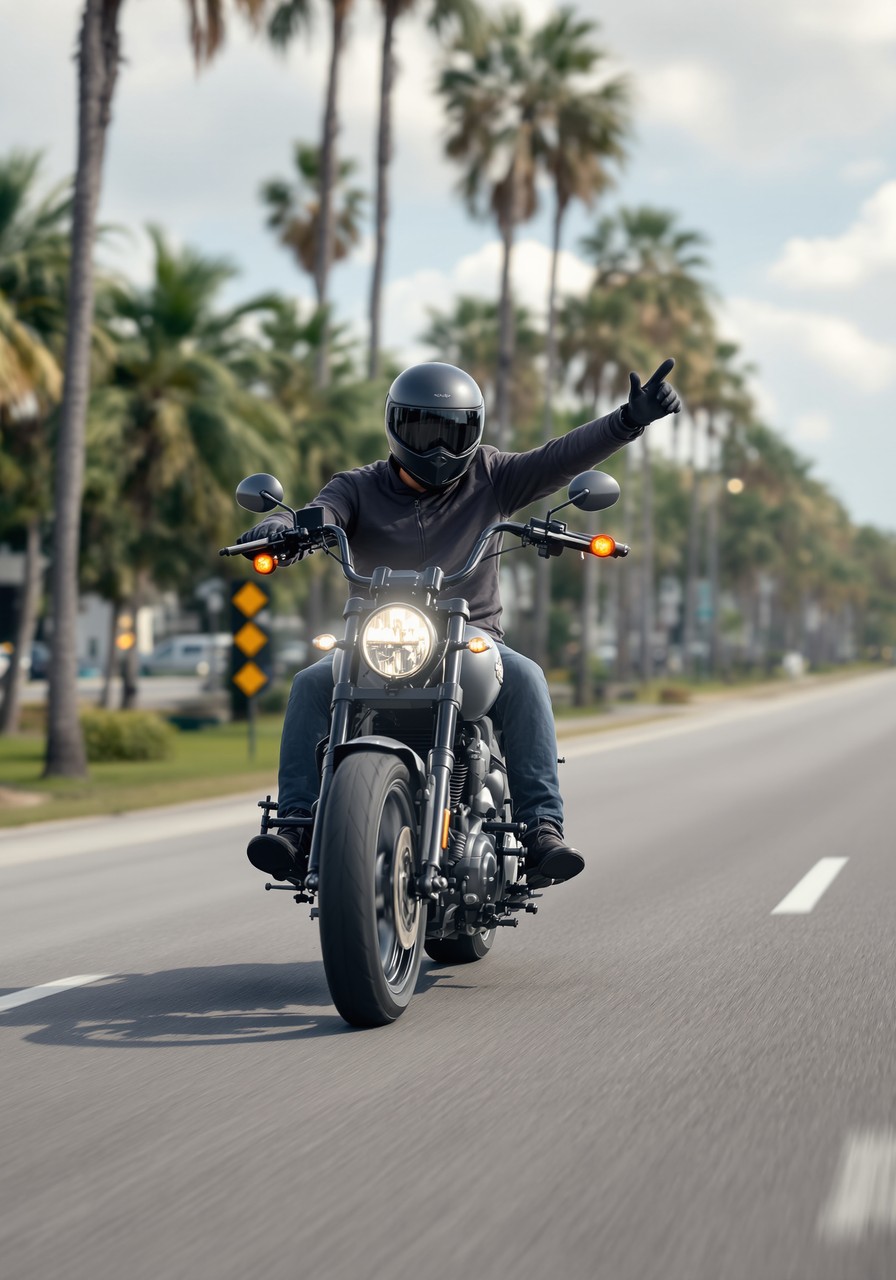
In Florida, if you are found more than half at fault you walk away with nothing. That is why photos, witnesses and a clean report matter after a wreck. Hurt on your bike? Moe DeWitt, no cost to talk, 407-245-7723. #RideNationOrlando #FloridaLaw
Engagement
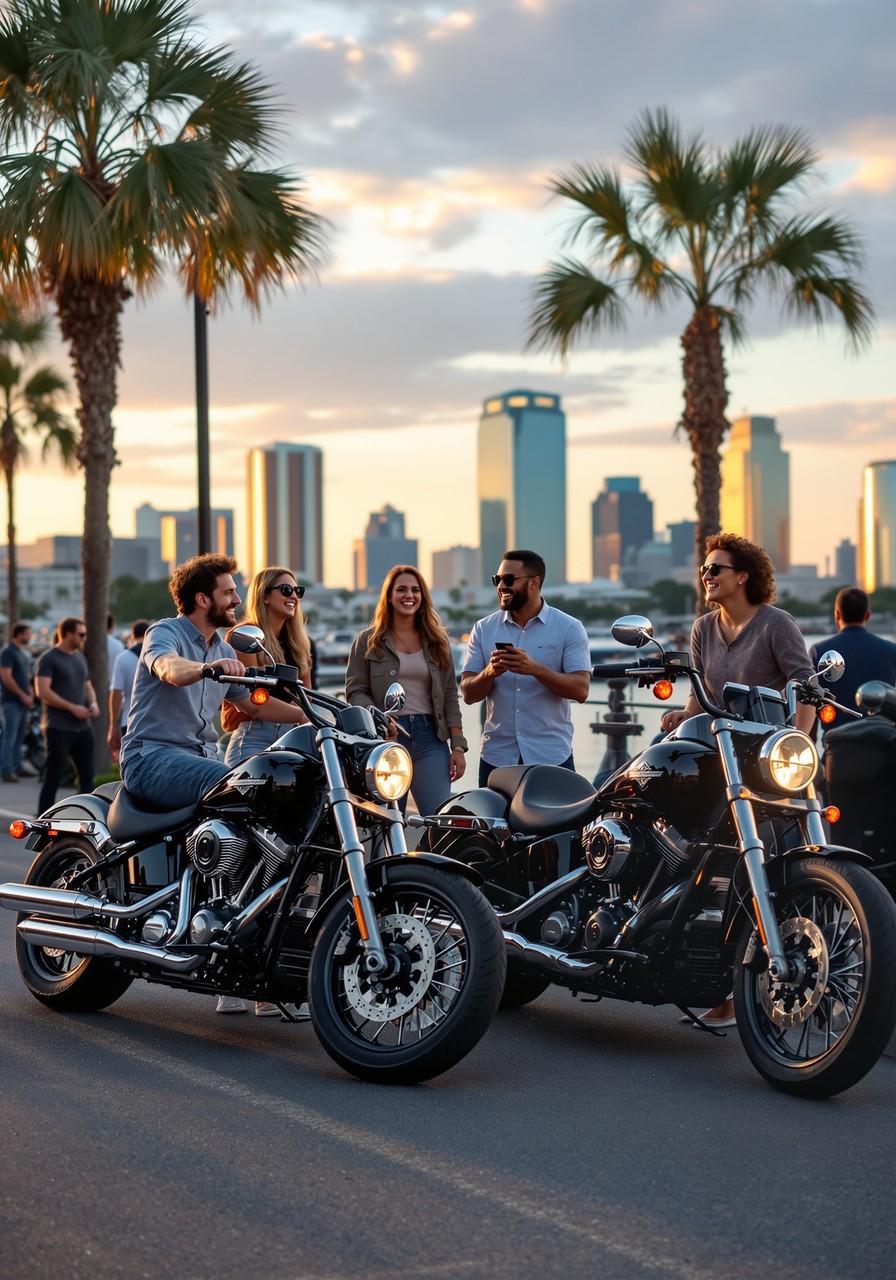
Fill in the blank: you know it is riding season in Orlando when ______. #RideNationOrlando #CentralFlorida #FloridaRiders
Giveaway & Countdown
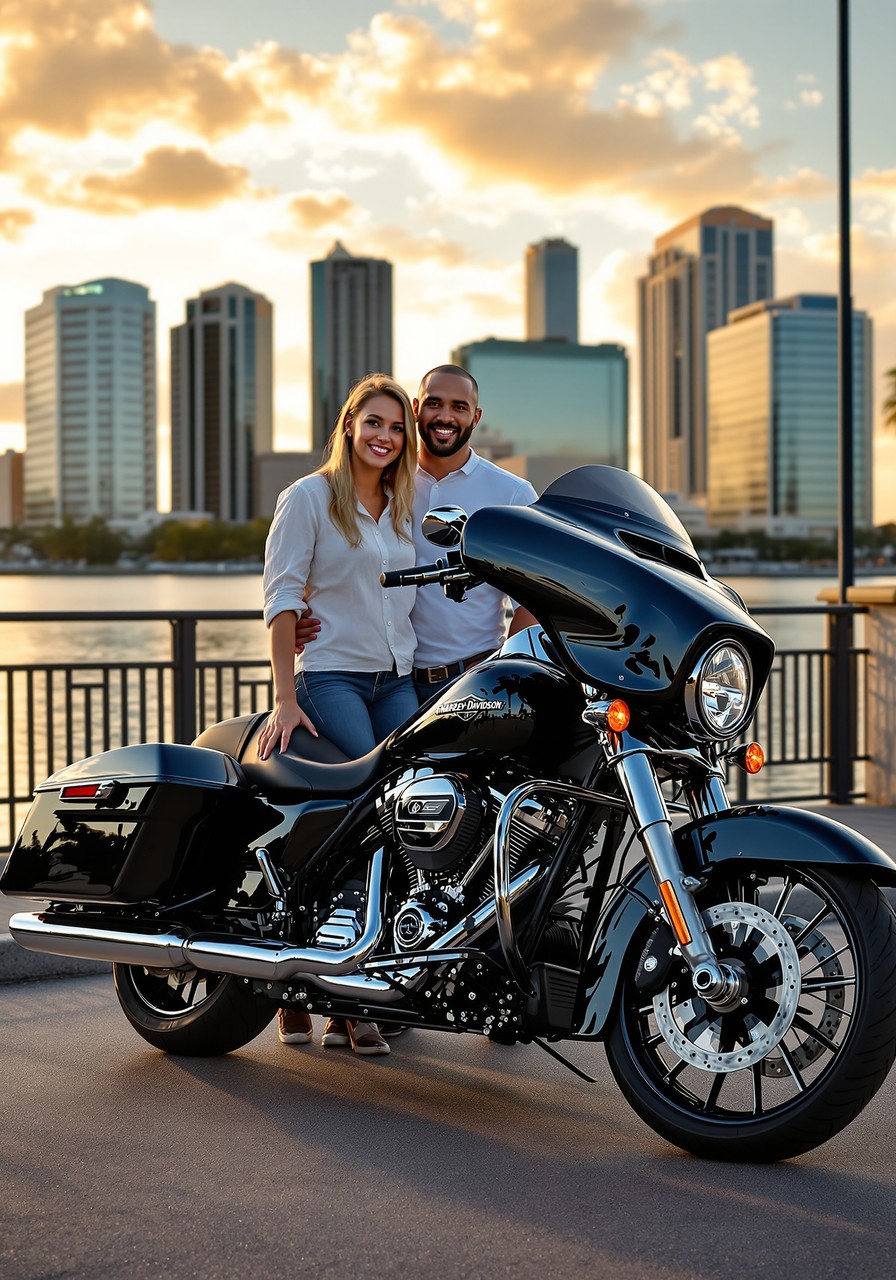
Cruiser, sport bike, adventure rig, your call. $20,000 toward whatever you ride. Free to enter. Entry link in the comments. #RideNationOrlando #WinABike #OrlandoRiders
Local FL & Rides
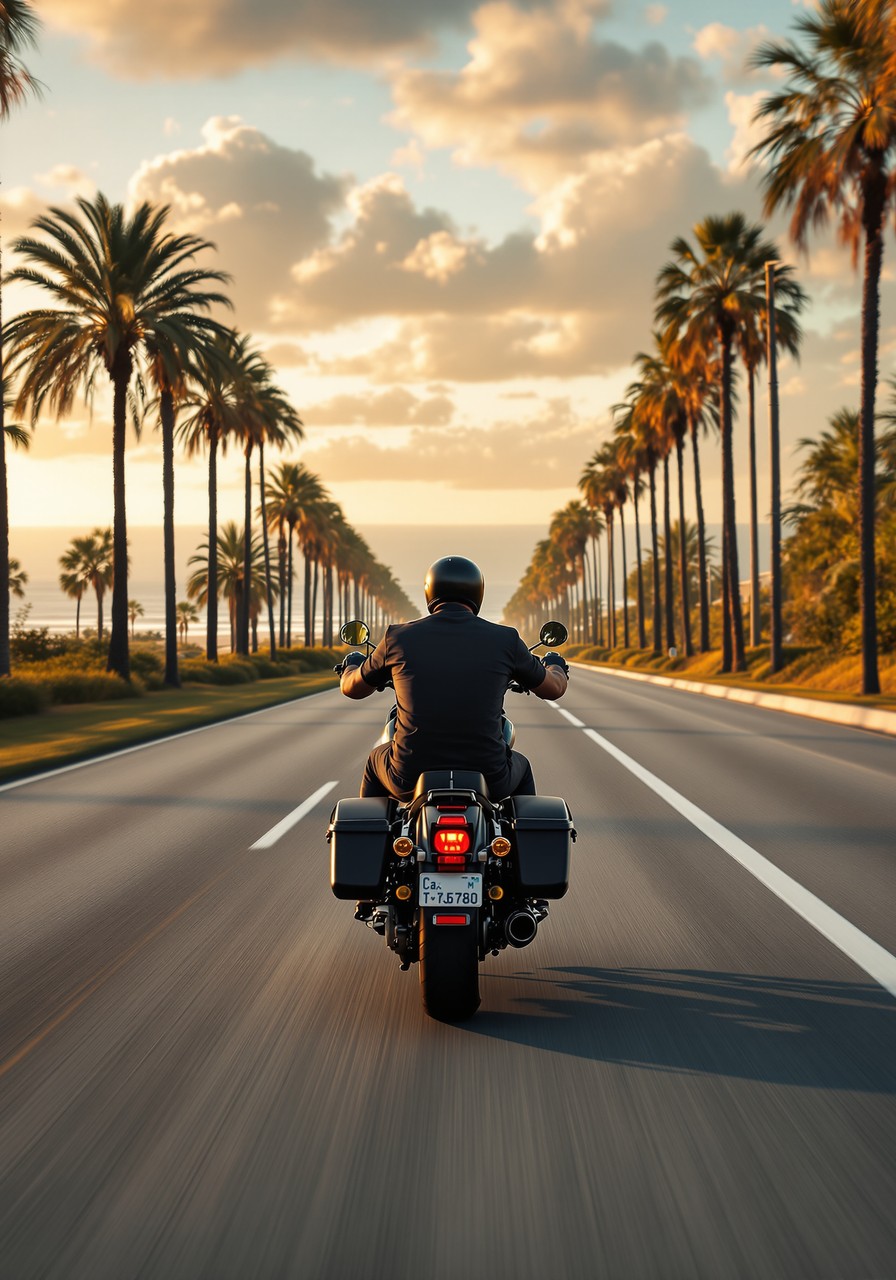
Sanford to Lake Monroe on the waterfront is a short, easy loop with a big payoff. Great warm-up ride before the group rolls out. #RideNationOrlando #CentralFlorida #OrlandoRiders
Gear & New Iron
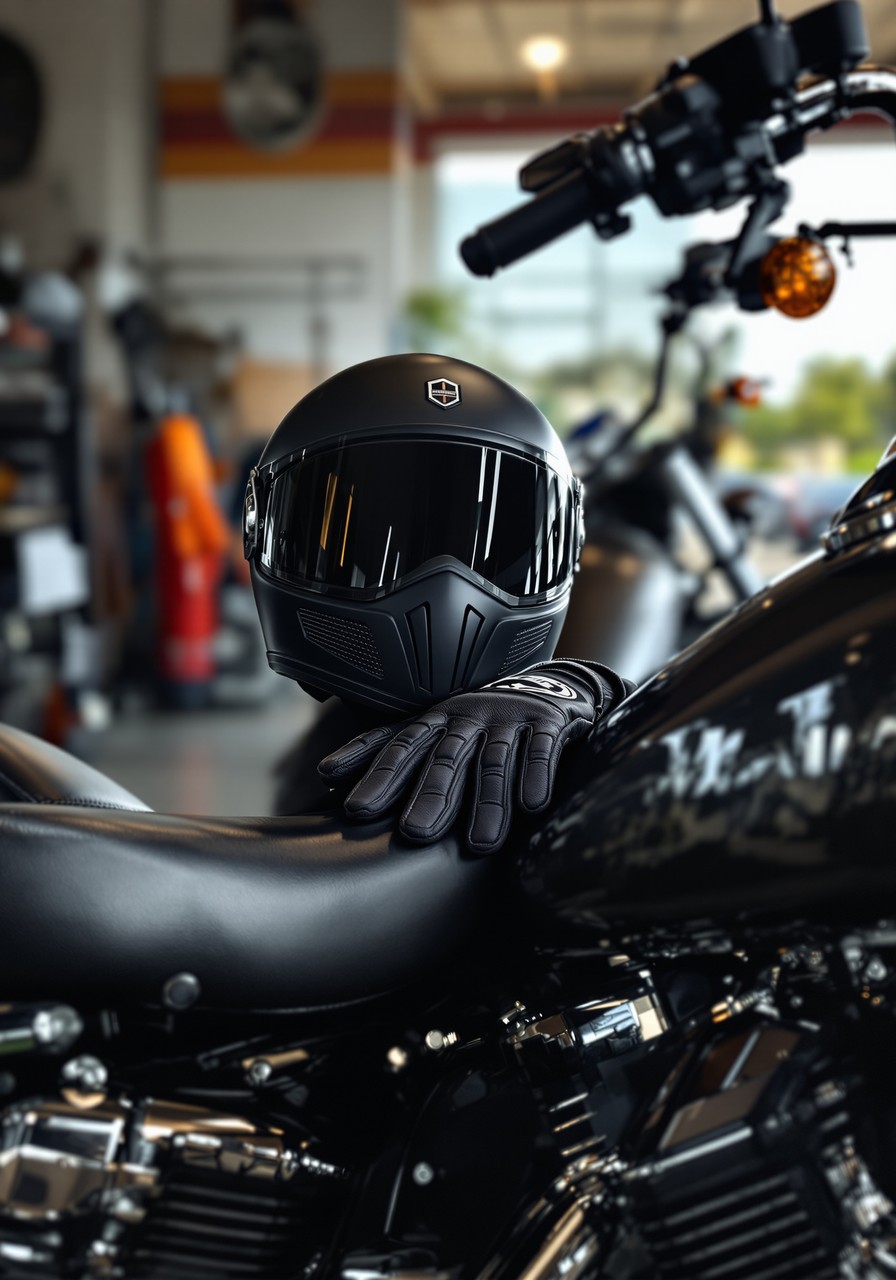
A hydration pack under a mesh jacket is a game changer on long summer rides. Dehydration dulls your reaction time before you even notice. #RideNationOrlando #GearUp #FloridaHeat
Safety & FL Law
The 51 percent rule is real in Florida. More than half at fault, zero recovery. Document everything at the scene if you safely can. Need help sorting fault? DeWitt Law Firm, 407-245-7723. #RideNationOrlando #KnowYourRights #RiderSafety
Engagement
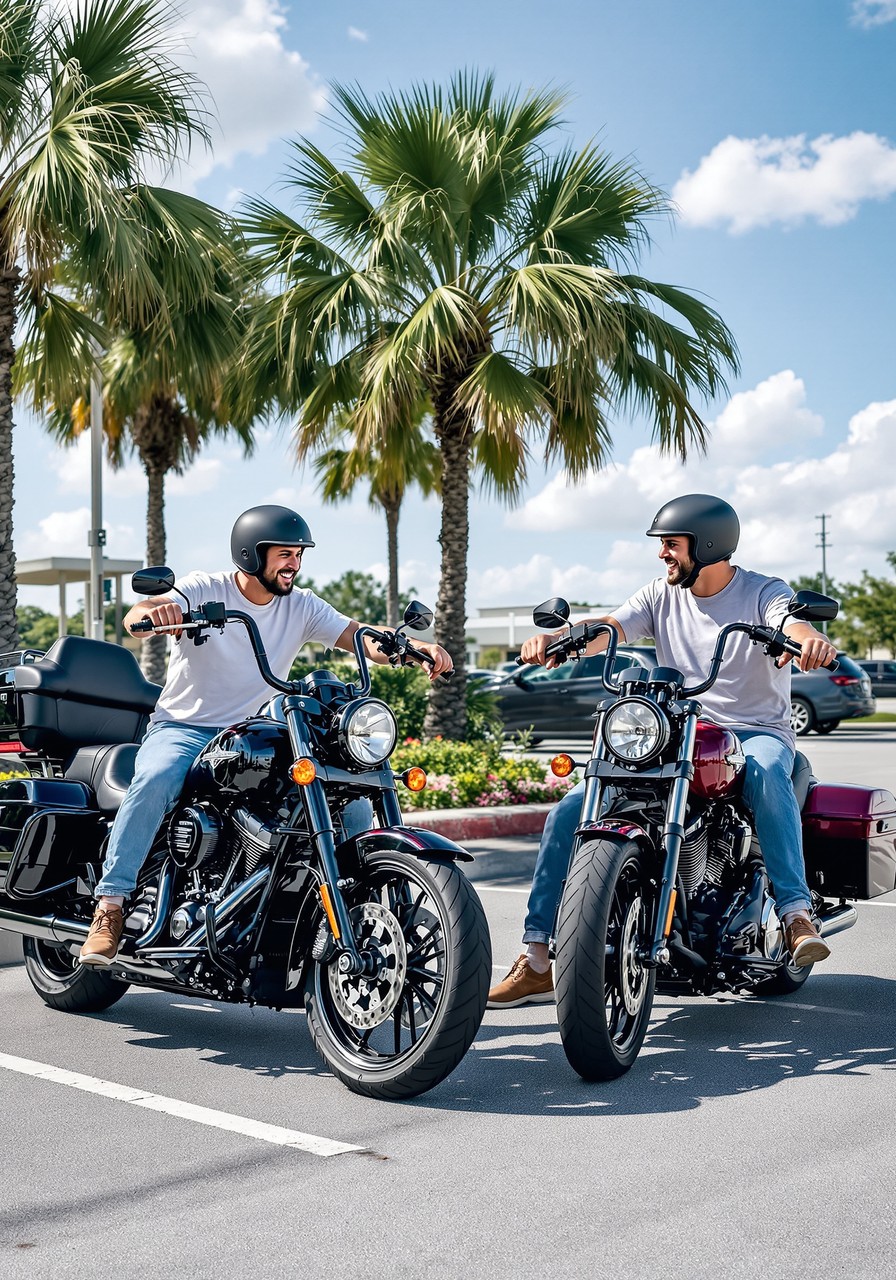
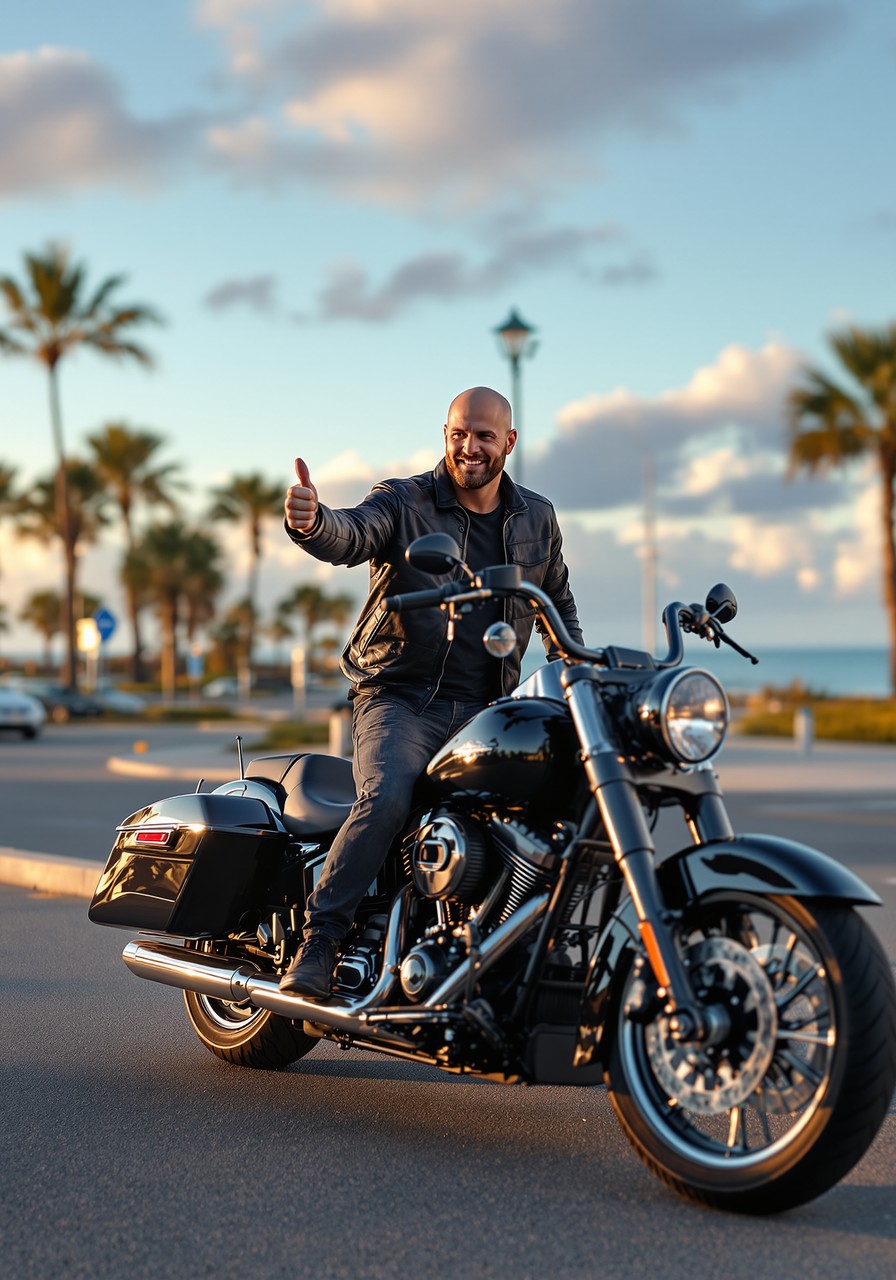
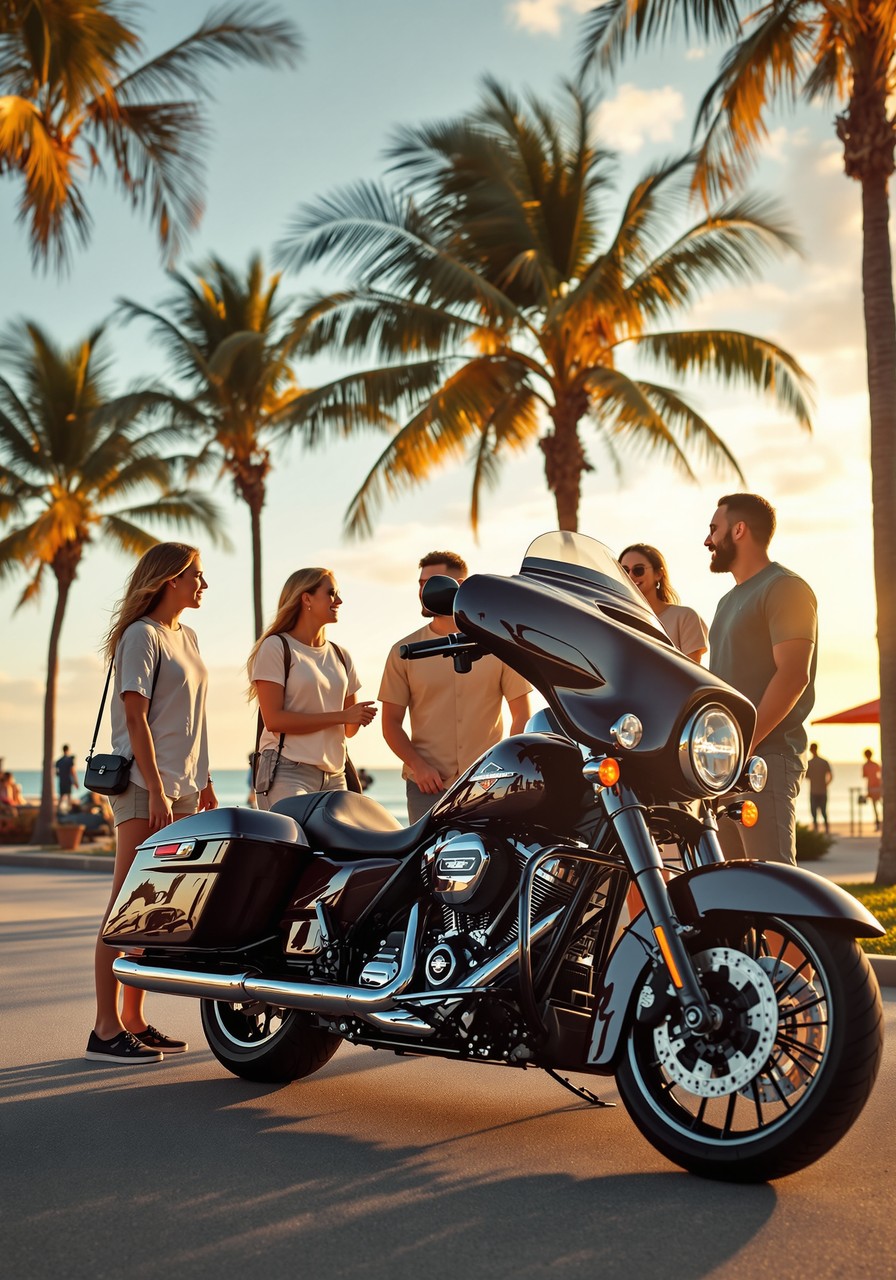
Caption this: the group photo where everyone parked their bike at a slightly different angle. #RideNationOrlando #OrlandoRiders #TwoWheels
Giveaway & Countdown
Been eyeing a new ride all year? This could be how you get it. $20,000 giveaway, free to enter, drawn December 10. Link in comments. #RideNationOrlando #MotorcycleGiveaway #CentralFlorida
Local FL & Rides
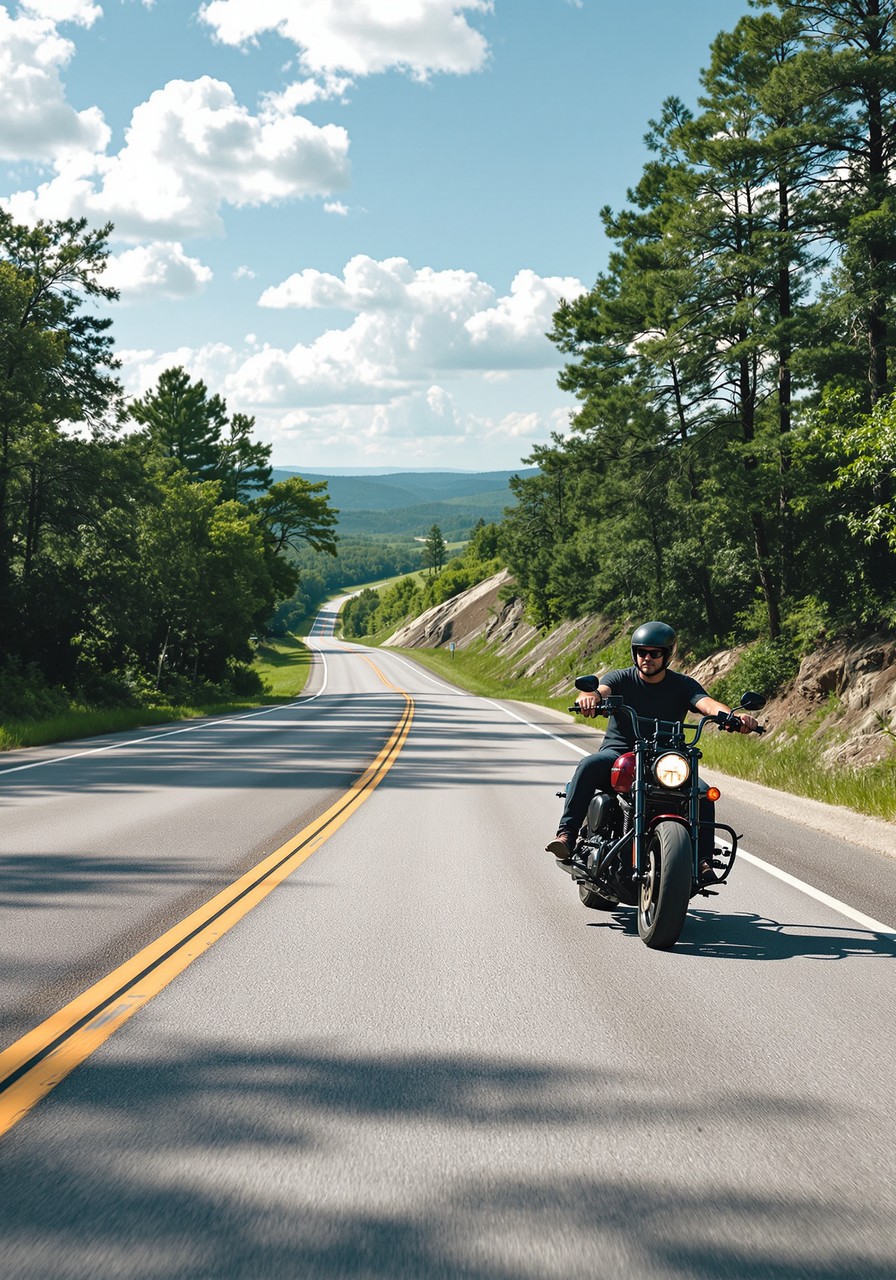
Roll through Christmas and take the 520 out to the coast. Empty two-lane, open sky, and the beach at the end. #RideNationOrlando #SpaceCoast #CentralFlorida
Gear & New Iron
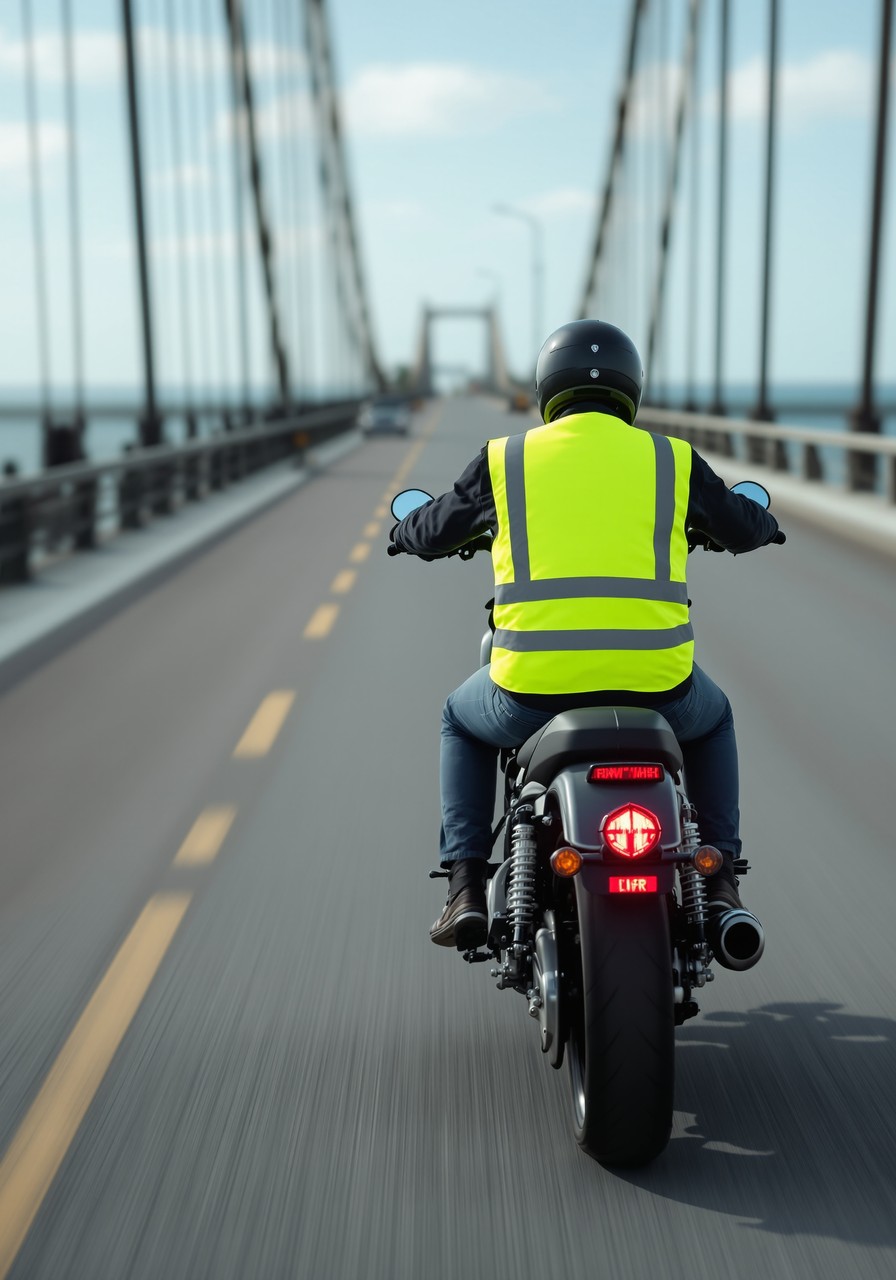
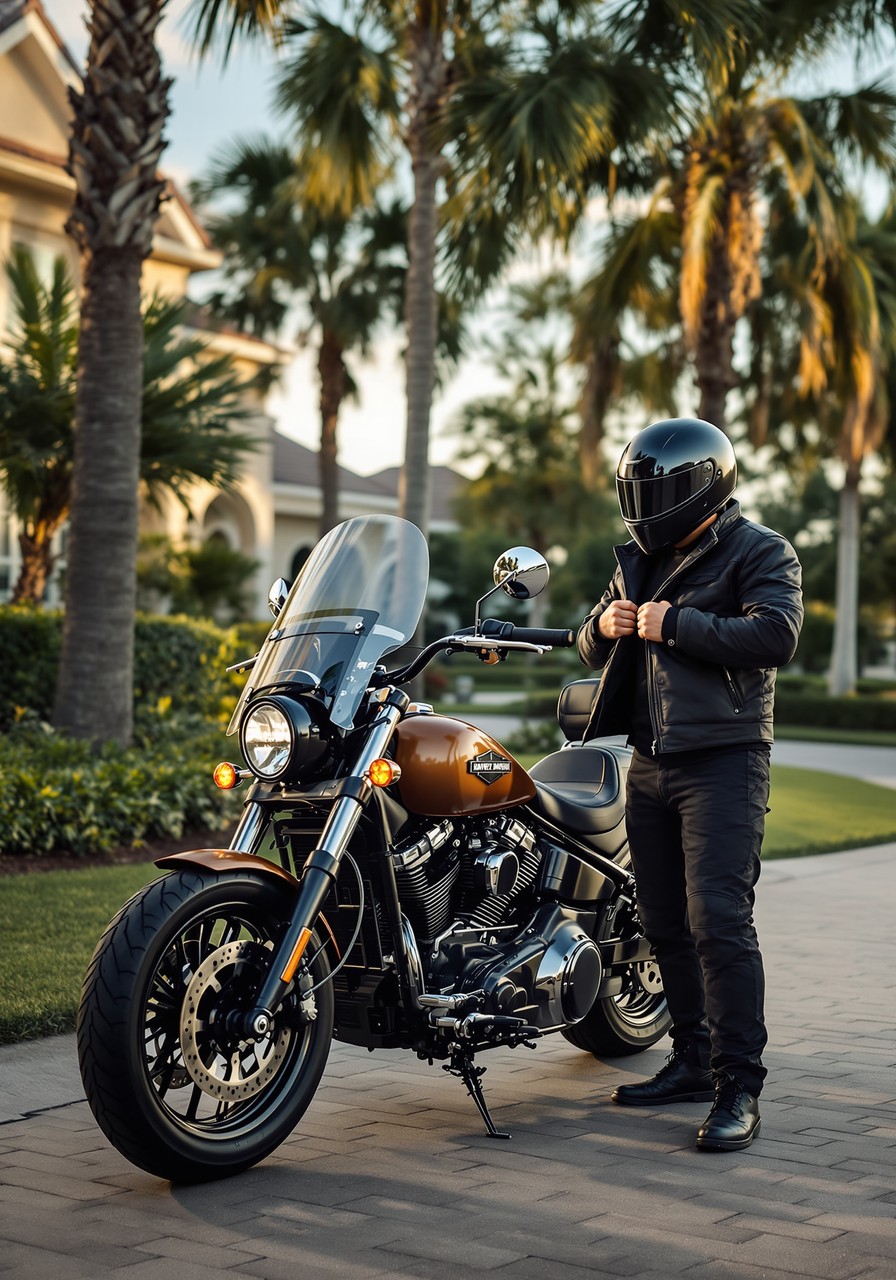
Hi-viz is not a fashion choice, it is a survival tool. Drivers pulling out of Orlando parking lots see a bright jacket before they ever see chrome. #RideNationOrlando #GearUp #RiderTips
Safety & FL Law
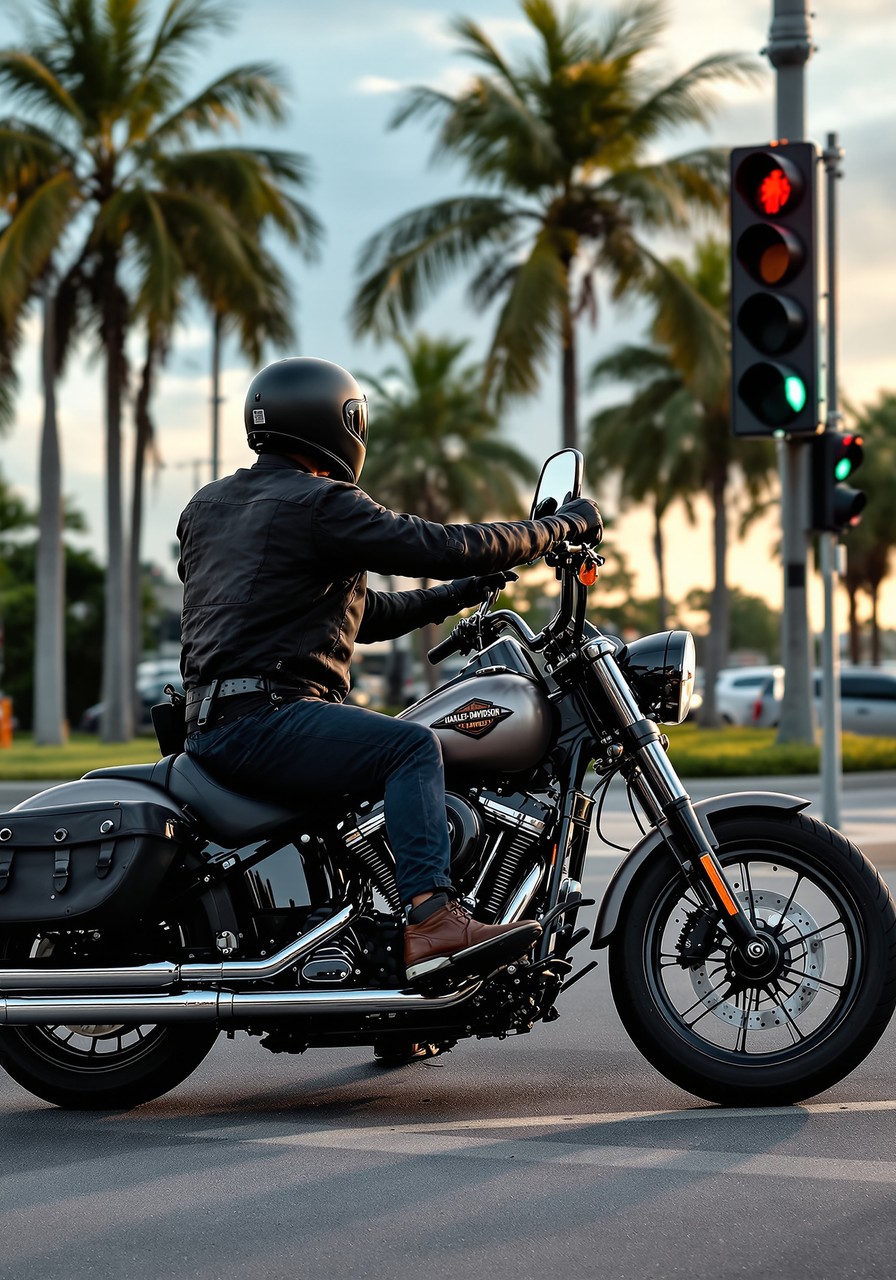
Florida helmet law: riders 21 and up can go lidless only if they carry at least 10,000 dollars in medical coverage. Under 21 the helmet is required, no exceptions. Questions on coverage? Moe DeWitt, 407-245-7723. #RideNationOrlando #FloridaLaw #ATGATT
Engagement
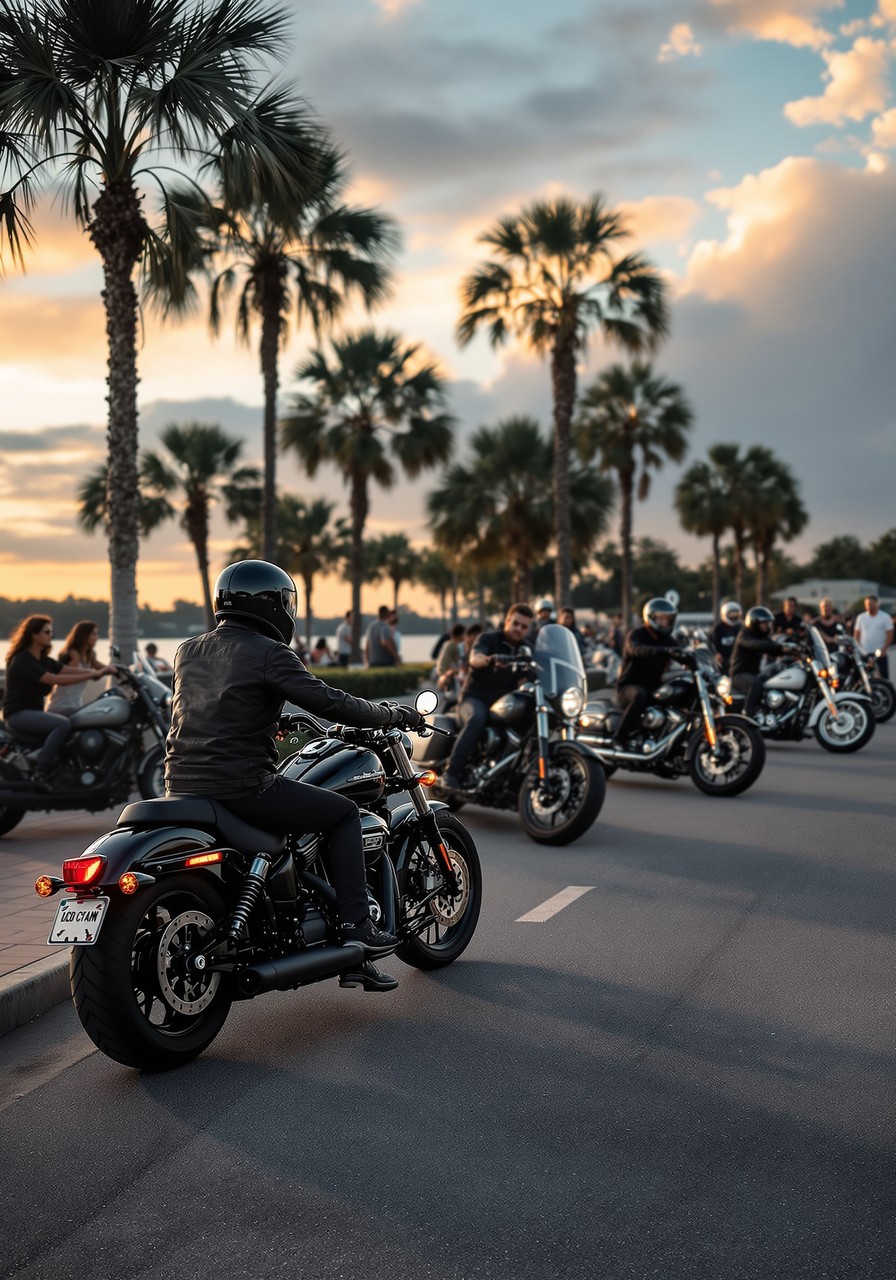
Poll: gas station snack of champions. Boiled peanuts, jerky, or a Gatorade the size of your forearm. #RideNationOrlando #BikerLife #FloridaRiders
Giveaway & Countdown
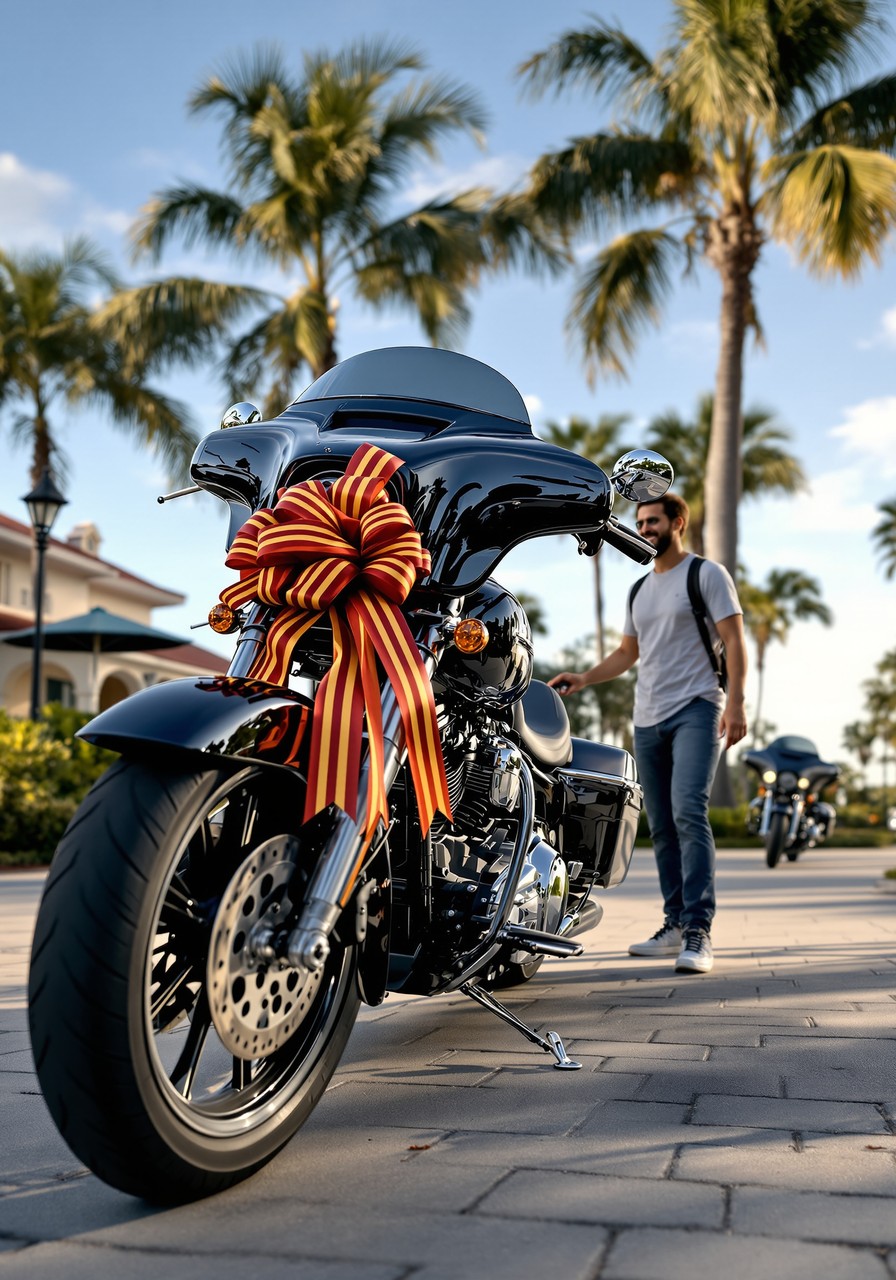
Tag the friend who talks about their dream bike every single ride. Get them entered. Link in comments. #RideNationOrlando #BikersWin #WinABike
Local FL & Rides
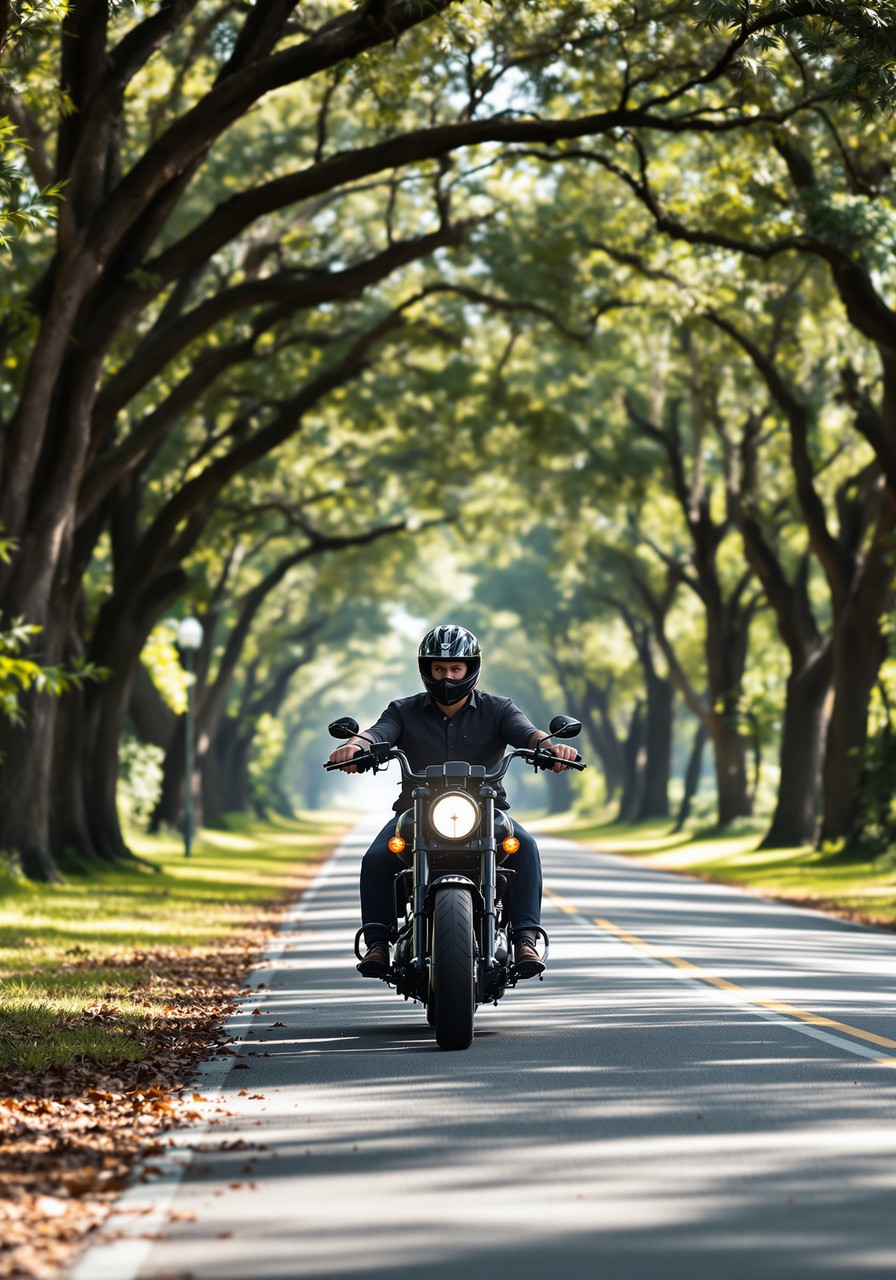
The run up to Daytona hits different in late February with Bike Week buzz in the air. Plan the route and gas up early. #RideNationOrlando #Florida #MotorcycleRoads
Gear & New Iron
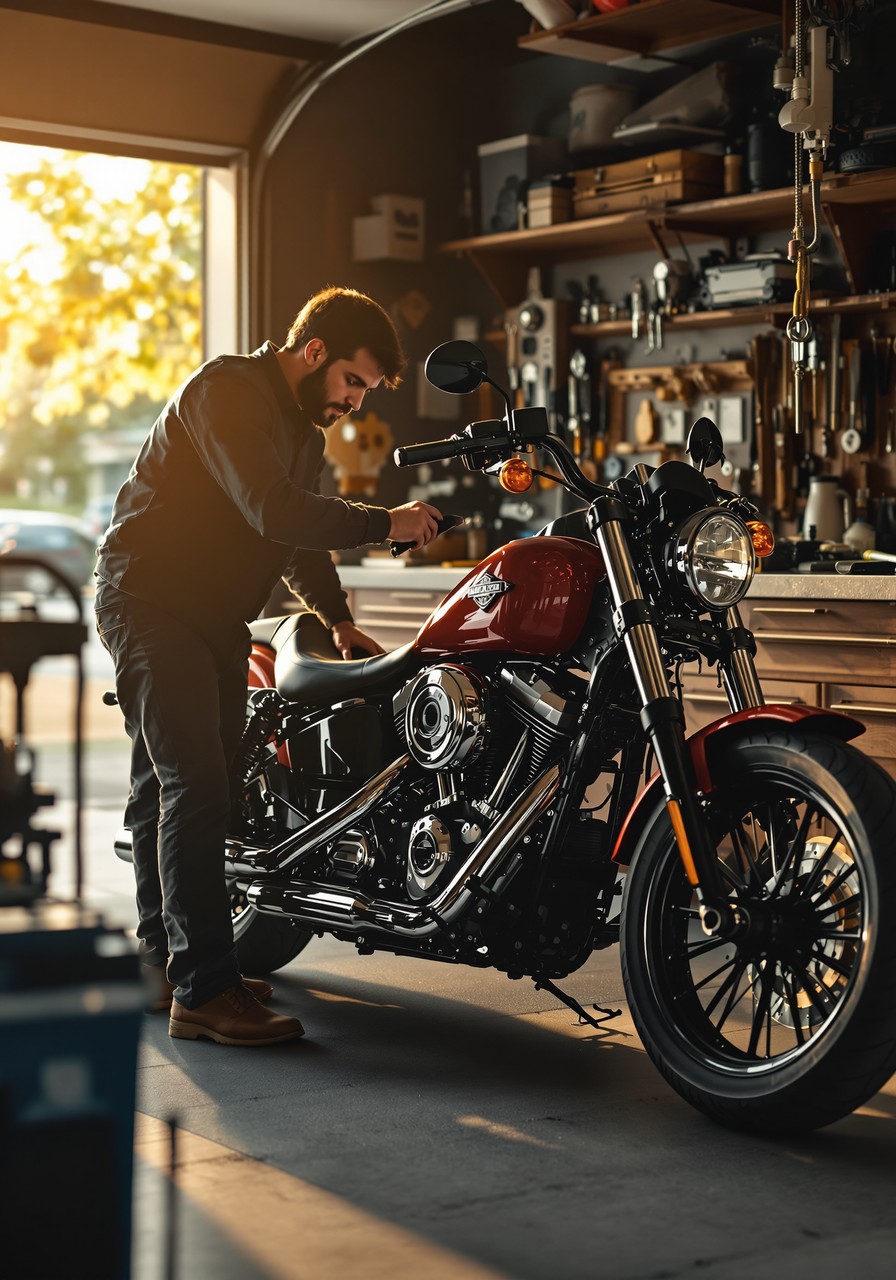
Even a hi-viz vest thrown over your jacket buys you visibility on I-4 traffic. Cheap insurance against the driver who never looked twice. #RideNationOrlando #ATGATT #OrlandoRiders
Safety & FL Law
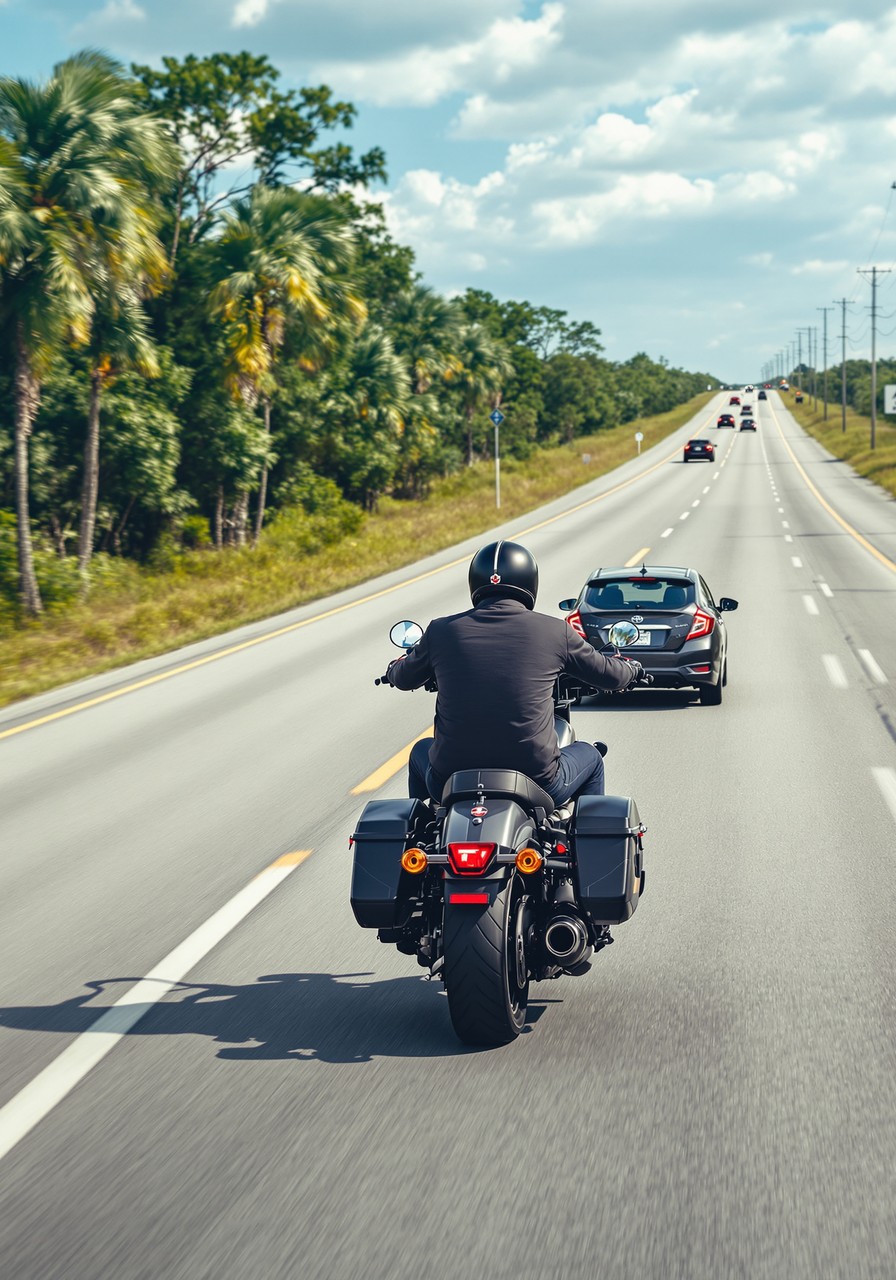
Riding without a helmet in Florida at 21 or older? The law says you must carry at least 10,000 in medical coverage. That amount goes fast after a real crash. Talk it through with DeWitt Law Firm, 407-245-7723. #RideNationOrlando #FloridaLaw #ATGATT
Engagement
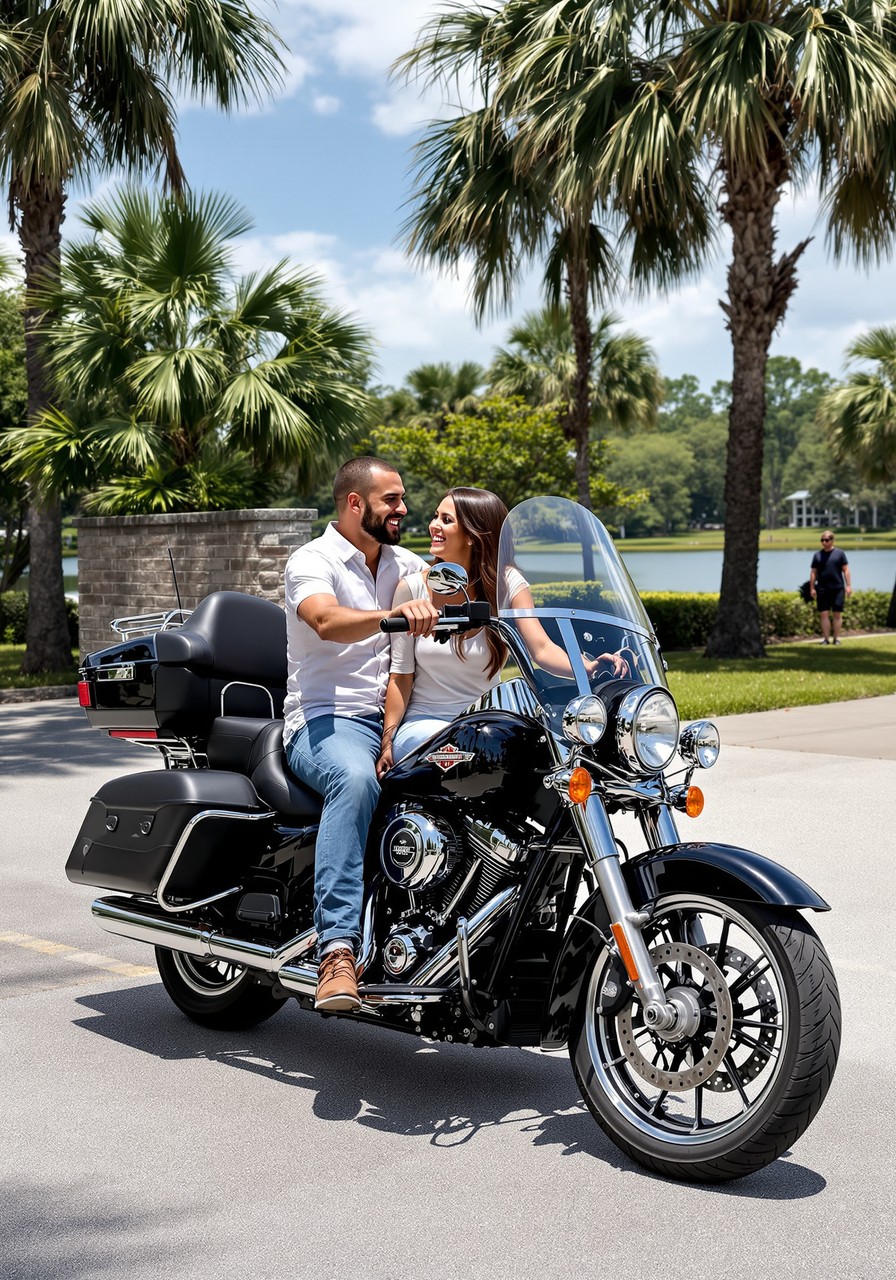
This or that: I-4 to get there fast or the long way through Lake County to actually enjoy it. #RideNationOrlando #LakeCounty #OrlandoRiders
Giveaway & Countdown
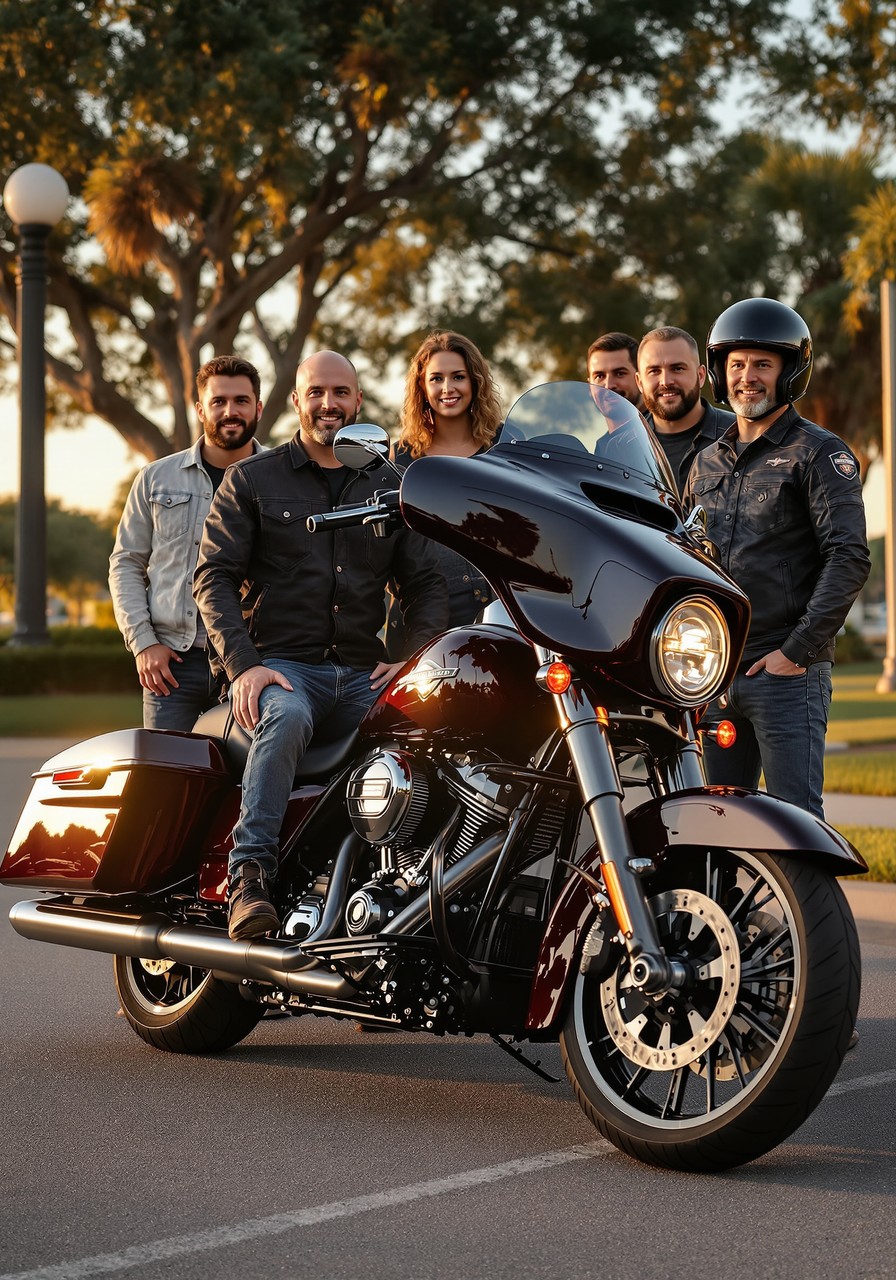
Two minutes now could put $20,000 toward a new motorcycle in your hands by the holidays. Free to enter. Entry link in the comments. Ride safe out there, Ride Nation. #RideNationOrlando #20kGiveaway #OrlandoRiders
Local FL & Rides
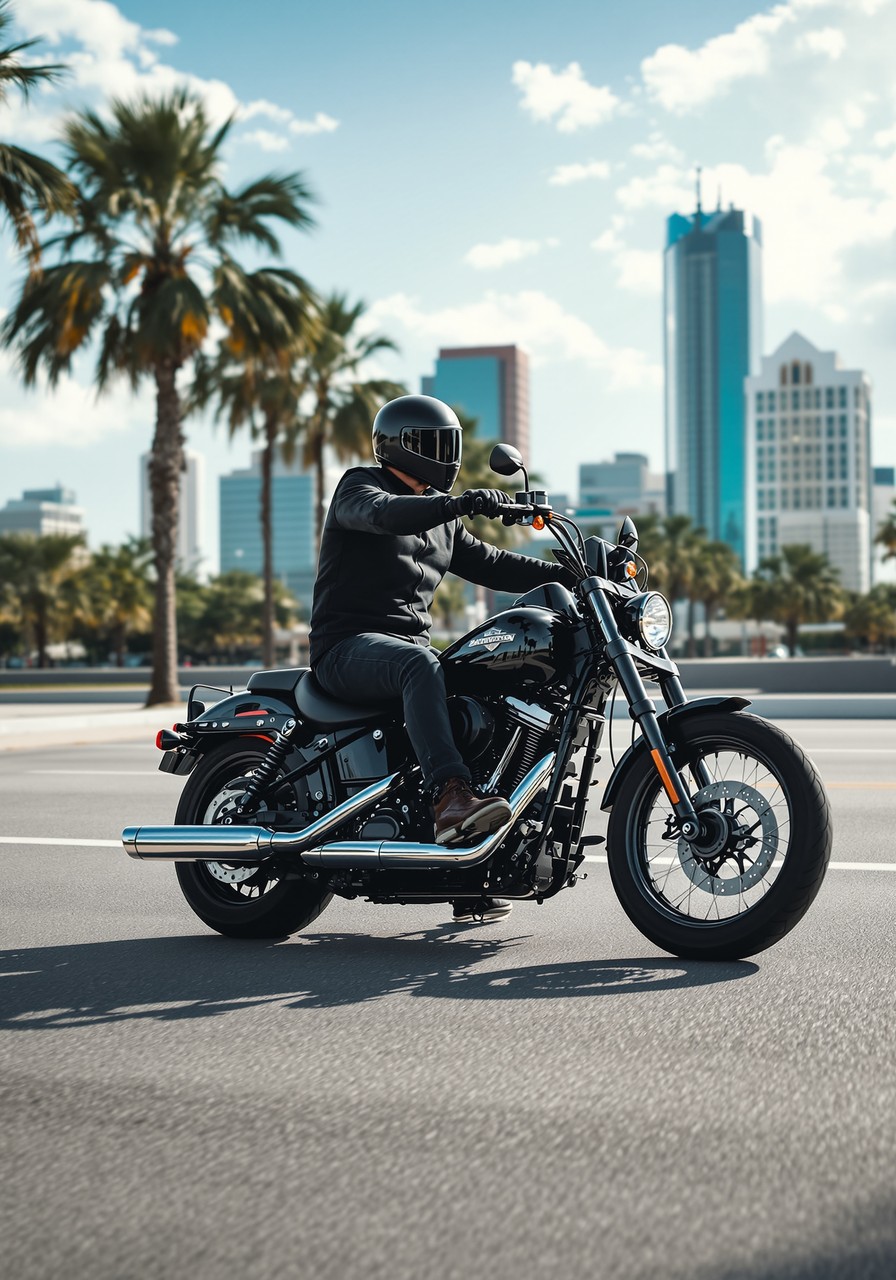
Central Florida afternoons build a storm out of nowhere. That first rain floats old oil to the top, so treat fresh-wet pavement like ice. #RideNationOrlando #CentralFlorida #MotorcycleRoads
Gear & New Iron
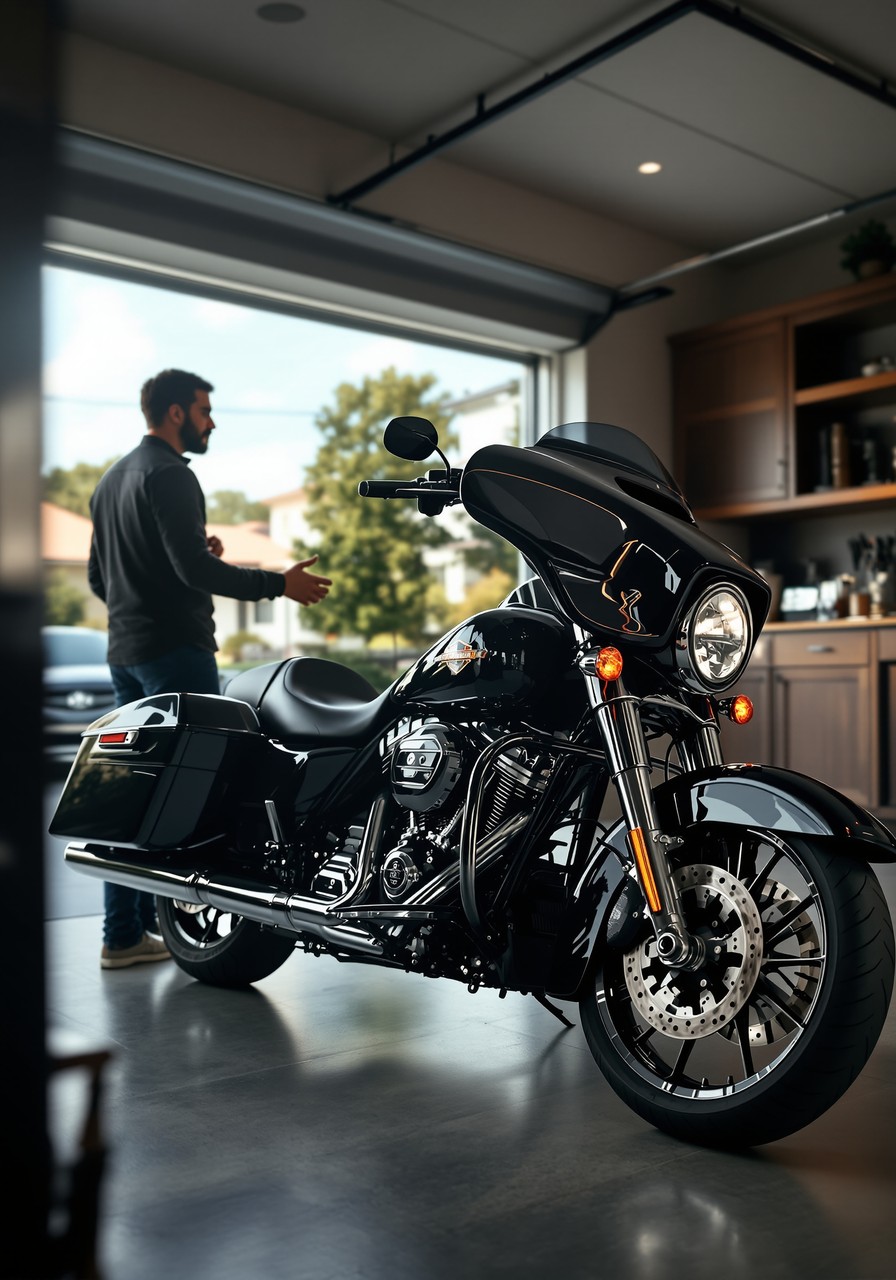
ATGATT is not gatekeeping, it is just riders who have healed from road rash telling you the easy way. All the gear, all the time. #RideNationOrlando #ATGATT #BikerLife
Safety & FL Law
Helmet or not, 10,000 in medical coverage is the legal floor for adult riders in Florida, and it barely scratches a hospital bill. Know your gaps. Hurt out there? Moe DeWitt, 407-245-7723. #RideNationOrlando #RiderSafety #KnowYourRights
Engagement
Name a Central Florida diner or BBQ joint every rider should hit at least once. Locals only. #RideNationOrlando #CentralFlorida #TwoWheels
Giveaway & Countdown
No catch. No cost. Riders 18 and up, one winner takes $20,000 toward any bike. Link in comments. #RideNationOrlando #FreeToEnter #MotorcycleGiveaway
Local FL & Rides
Low winter sun on an east-west run will blind you and the driver behind you. Face shield down, extra following distance, ride defensive. #RideNationOrlando #OrlandoRiders #CentralFlorida
Gear & New Iron
Gloves are the first thing to hit the ground when you go down because your hands go out on instinct. Ride bare handed and you learn that lesson the hard way. #RideNationOrlando #GearUp #ATGATT
Safety & FL Law
Deadline alert: the 2023 reform cut the window to file a Florida injury claim from four years to two. Wait too long and you lose the right entirely. Questions on timing? DeWitt Law Firm, 407-245-7723. #RideNationOrlando #FloridaLaw #KnowYourRights
Engagement
Fill in the blank: the first mod I put on every new bike is ______. #RideNationOrlando #BikerLife #TwoWheels
Giveaway & Countdown
December 10 is coming fast. If you have not entered the $20,000 BikersWin giveaway yet, now is the time. Link in comments. #RideNationOrlando #BikersWin #CentralFlorida
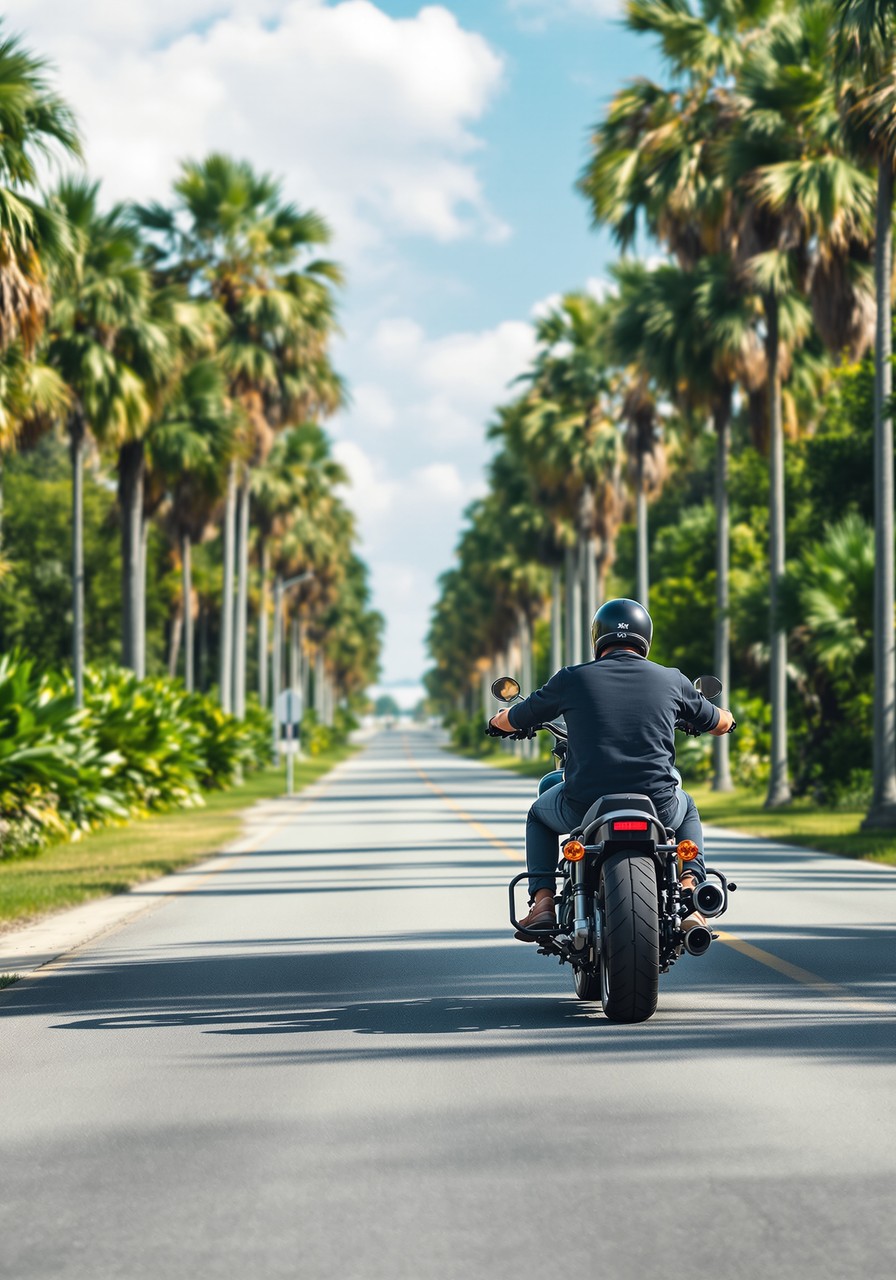
Local FL & Rides
Sand loves to hide on the outside of a shaded backroad curve. Ease off before the bend, not in the middle of it. #RideNationOrlando #LakeCounty #MotorcycleRoads
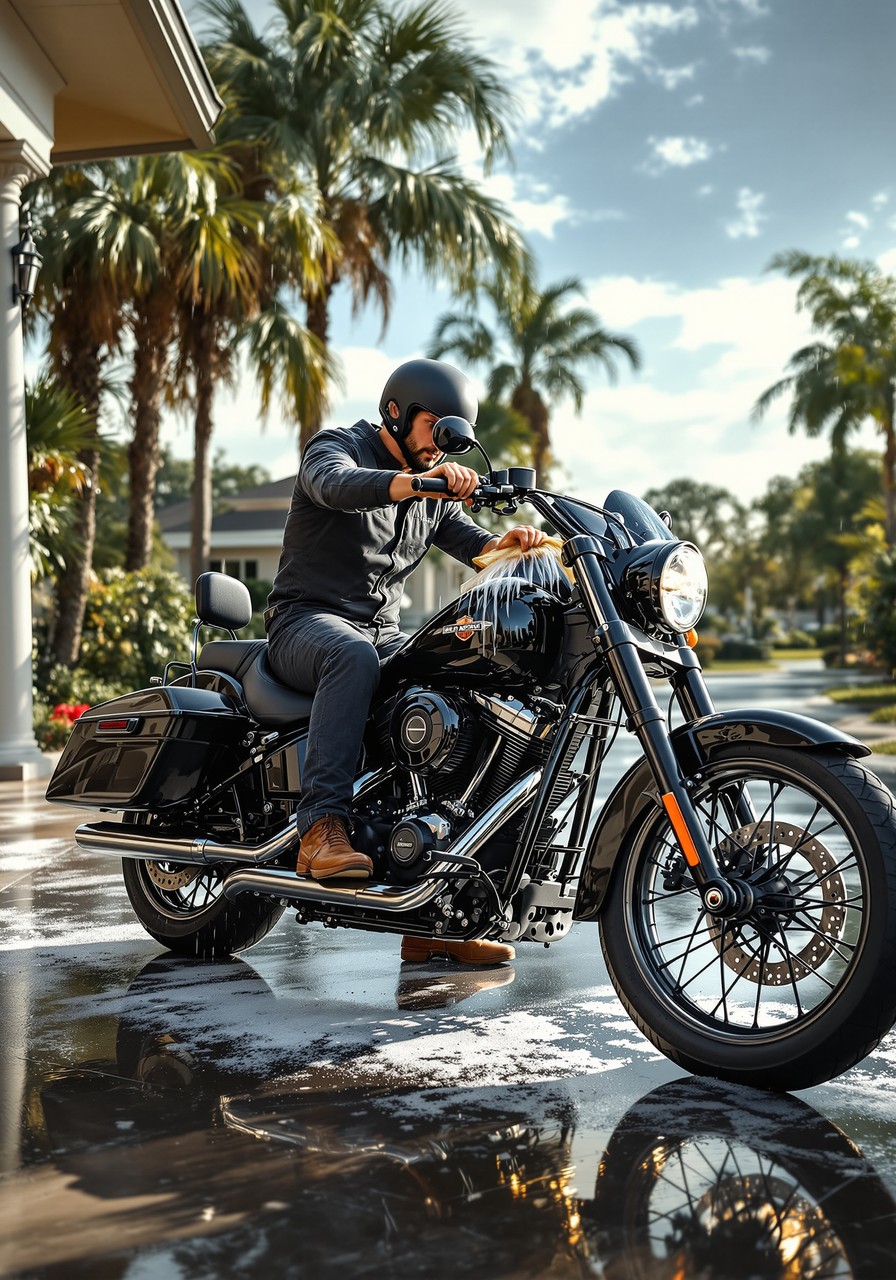
Gear & New Iron
Summer glove tip: get ventilated leather or mesh gloves with hard knuckle protection. Sweaty bare hands slip on the grips anyway. #RideNationOrlando #GearUp #FloridaHeat
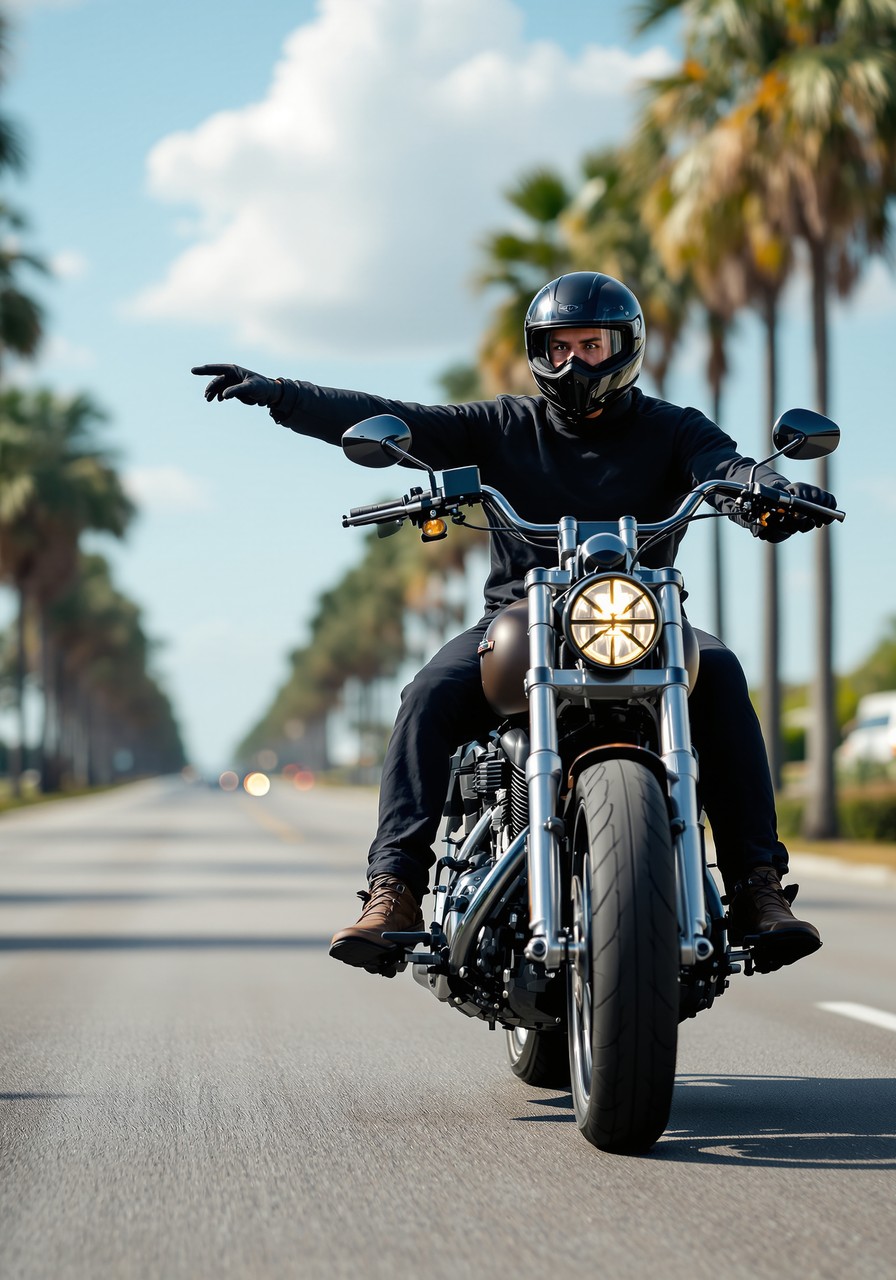
Safety & FL Law
You now have two years, not four, to file an injury claim in Florida. The clock starts at the crash. Do not sit on it. Hurt on two wheels? Talk to Moe DeWitt free, 407-245-7723. #RideNationOrlando #FloridaLaw #RiderSafety
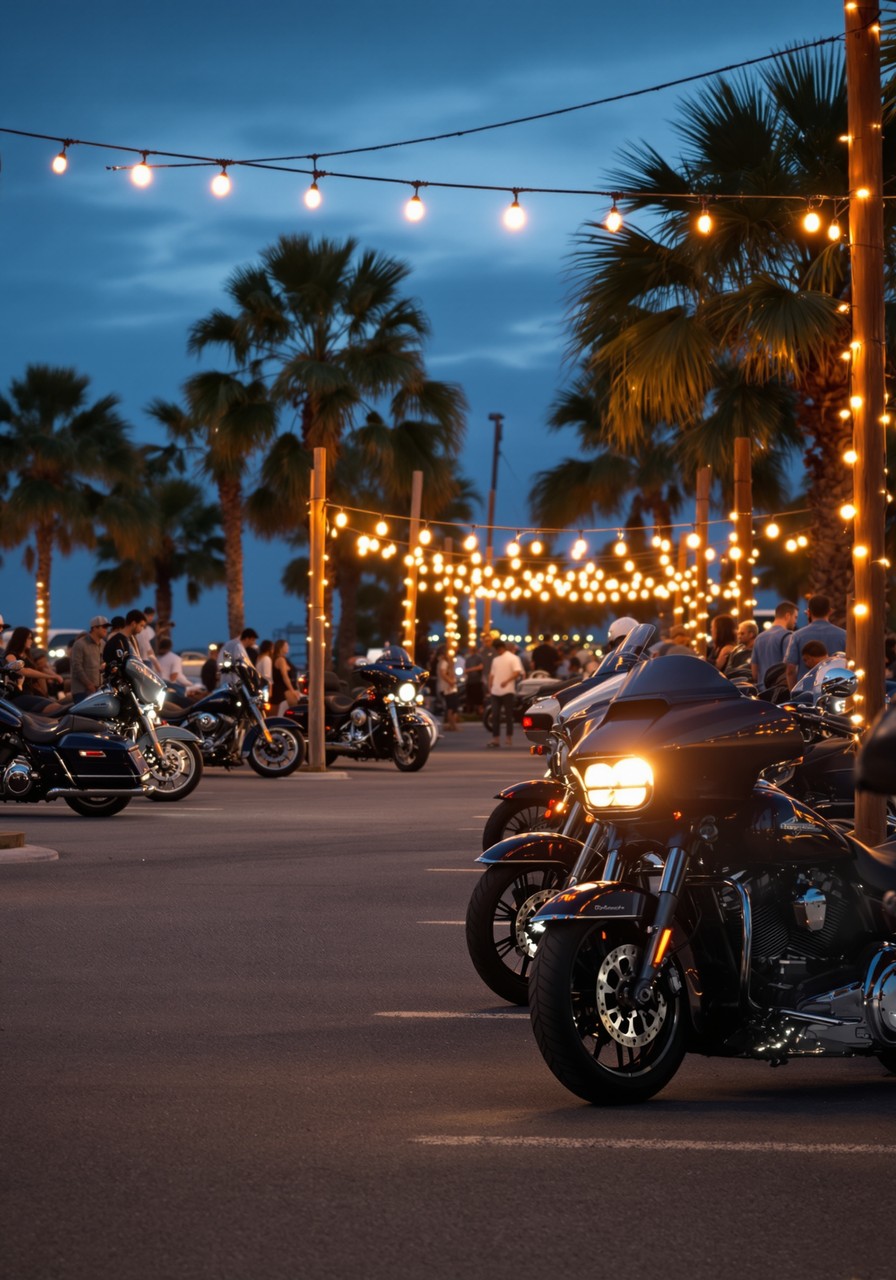
Engagement
Tag someone who needs to finally get their endorsement and join the crew this season. #RideNationOrlando #OrlandoRiders #RideOrDie
Giveaway & Countdown
Picture the garage with a new bike parked in it and $20,000 that covered it. Free to enter. Entry link in the comments. #RideNationOrlando #WinABike #OrlandoRiders
Local FL & Rides
Near the parks it is all rental cars and out-of-state plates hunting for exits. Give them room and assume the sudden lane change is coming. #RideNationOrlando #OrlandoRiders #Florida
Gear & New Iron
Sneakers do nothing when a bike lands on your ankle. Over the ankle boots with real support are worth every dollar. #RideNationOrlando #GearUp #ATGATT
Safety & FL Law
Florida shortened the injury claim deadline to two years in 2023. That goes by faster than you think while you are healing. Not sure where you stand? DeWitt Law Firm, 407-245-7723. #RideNationOrlando #KnowYourRights
Engagement
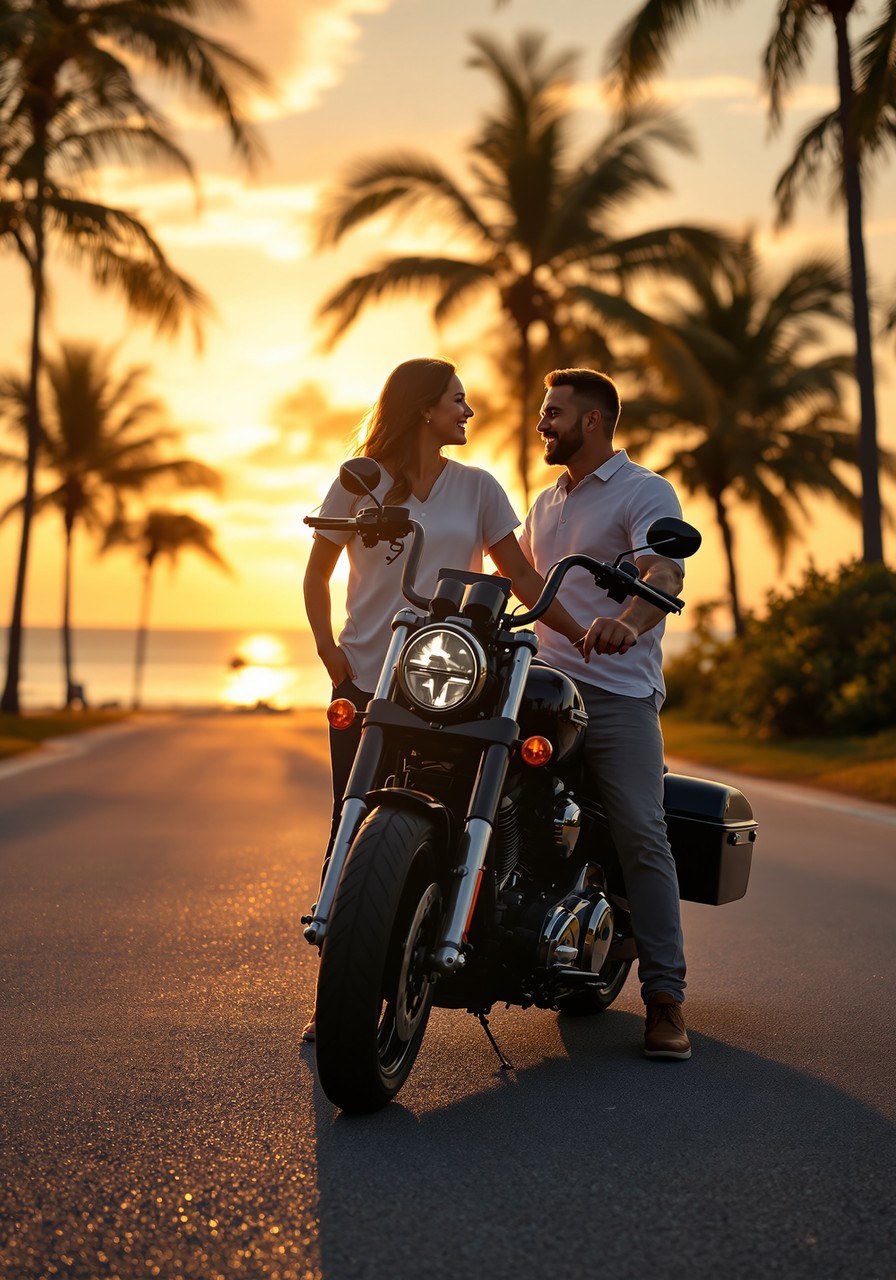
This or that: full face or open face when you run the Beachline to the coast. Defend your pick. #RideNationOrlando #SpaceCoast #FloridaRiders
Giveaway & Countdown
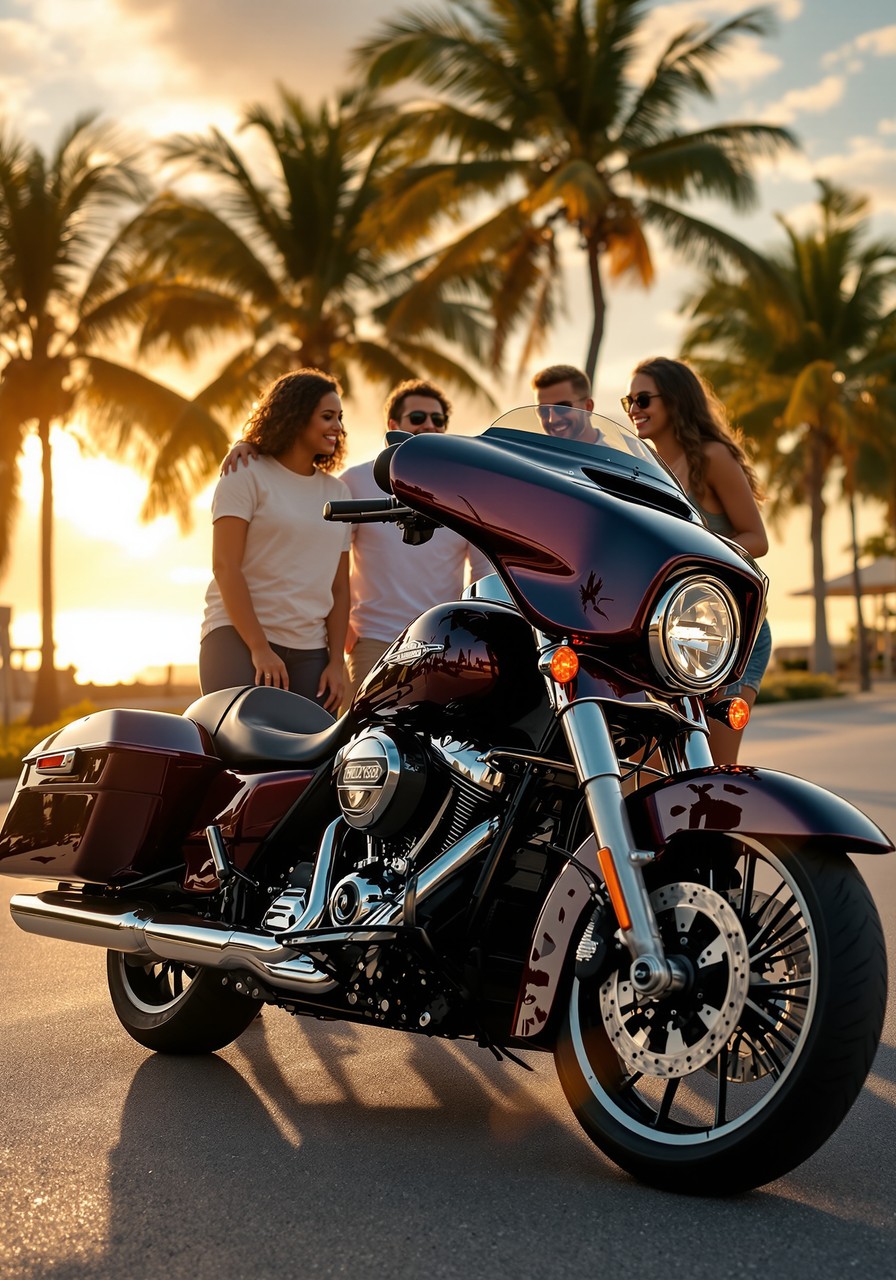
Somebody in Central Florida is about to have a very good December. Get entered for the $20,000 giveaway. Link in comments. Questions after a wreck? DeWitt Law Firm, 407-245-7723. #RideNationOrlando #20kGiveaway #CentralFlorida
Local FL & Rides
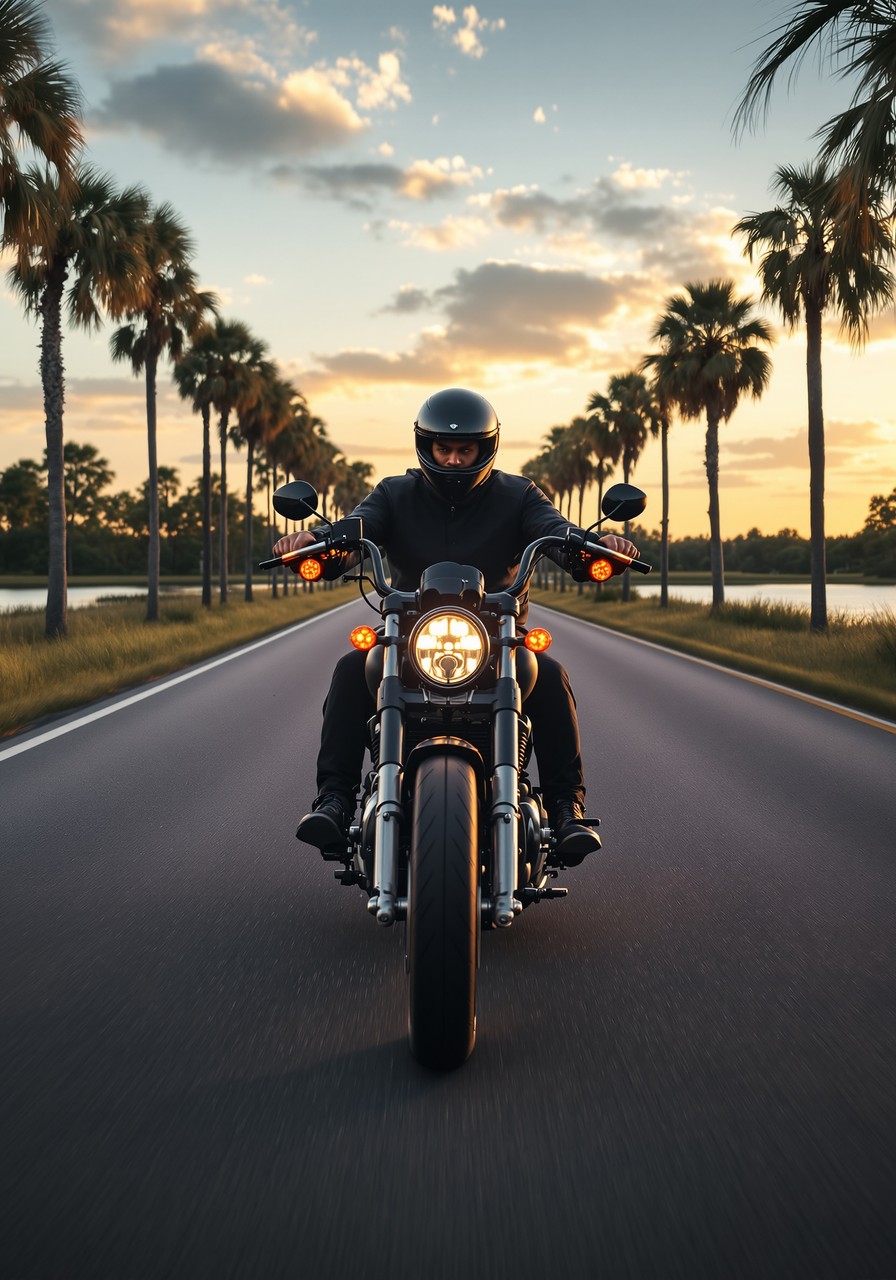
Snowbird season is here, so the roads are packed December through February. More traffic, more distracted drivers, more reason to ride sharp. #RideNationOrlando #CentralFlorida #Florida
Gear & New Iron
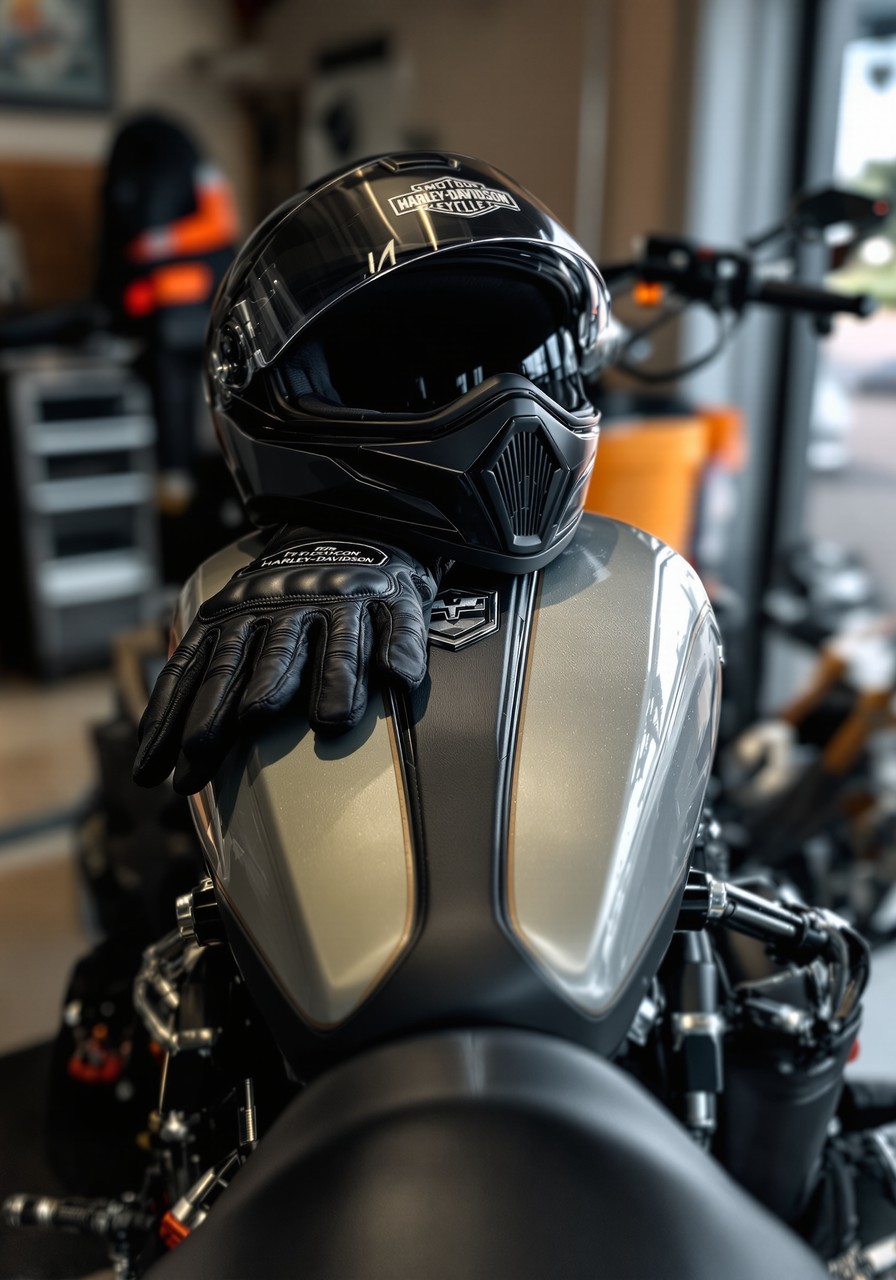
Check your tire date codes. That four digit number on the sidewall tells you the week and year it was made. Old rubber goes hard and slick even with tread left. #RideNationOrlando #MotorcycleMaintenance #RiderTips
Safety & FL Law
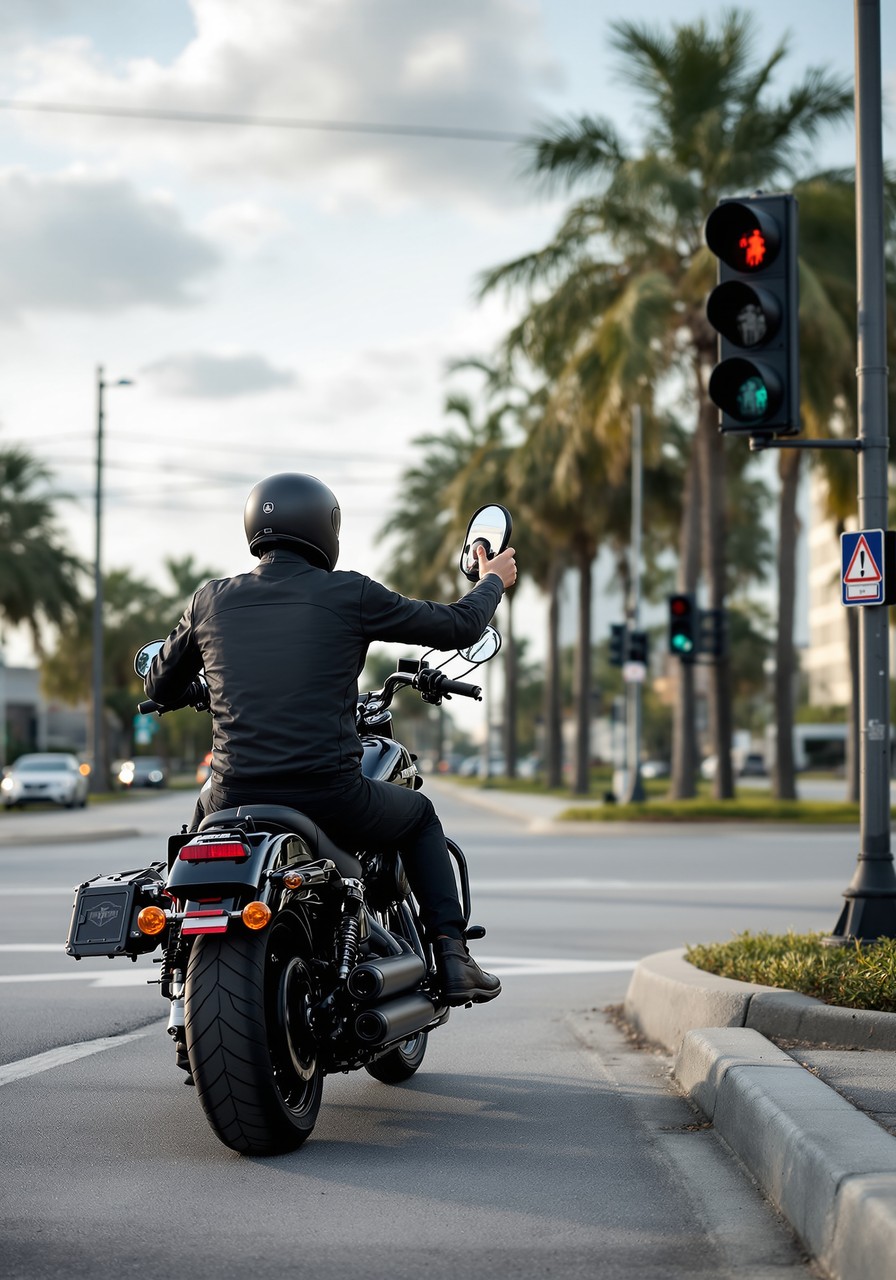
Reminder for Florida riders: lane splitting and filtering are NOT legal here. Slipping between lanes can put fault on you if it goes wrong. Ride legal, ride visible. Questions after a crash? Moe DeWitt, 407-245-7723. #RideNationOrlando #FloridaLaw #MotorcycleSafety
Engagement
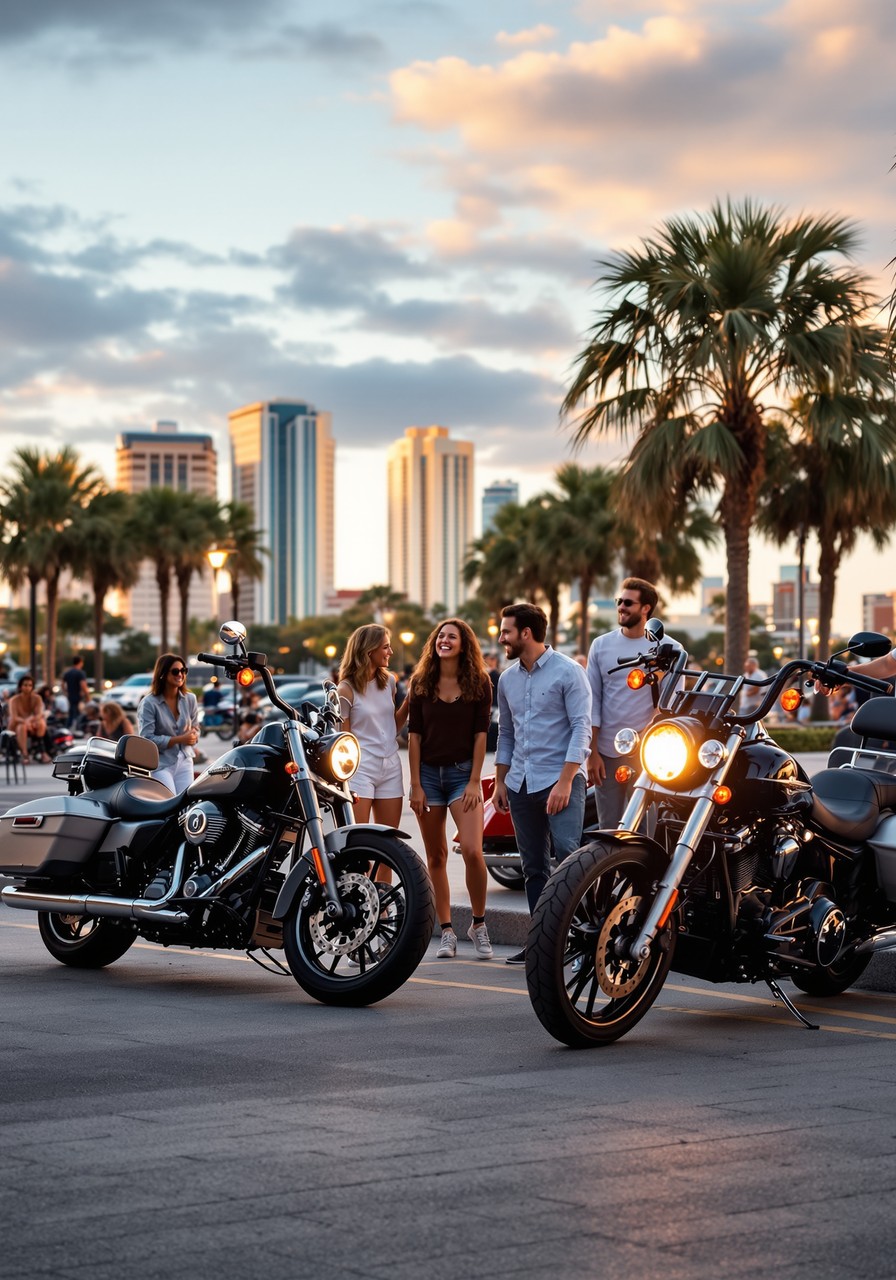
Caption this: snowbird in a rental car doing 45 in the left lane while you just want to ride. #RideNationOrlando #CentralFlorida #BikerLife
Giveaway & Countdown
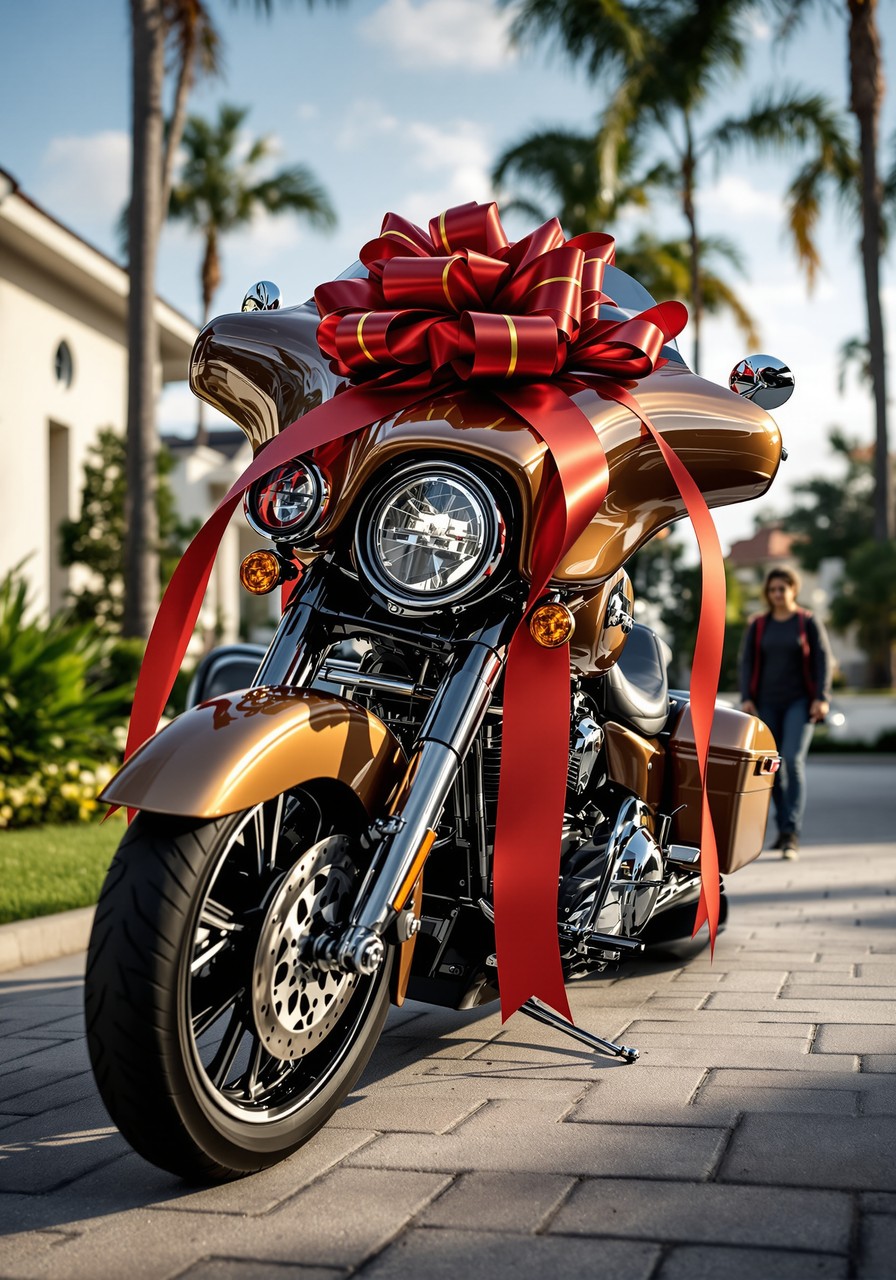
You miss every shot you do not take. This one is free. $20,000 toward any motorcycle. Entry link in the comments. #RideNationOrlando #FreeToEnter #WinABike
Local FL & Rides
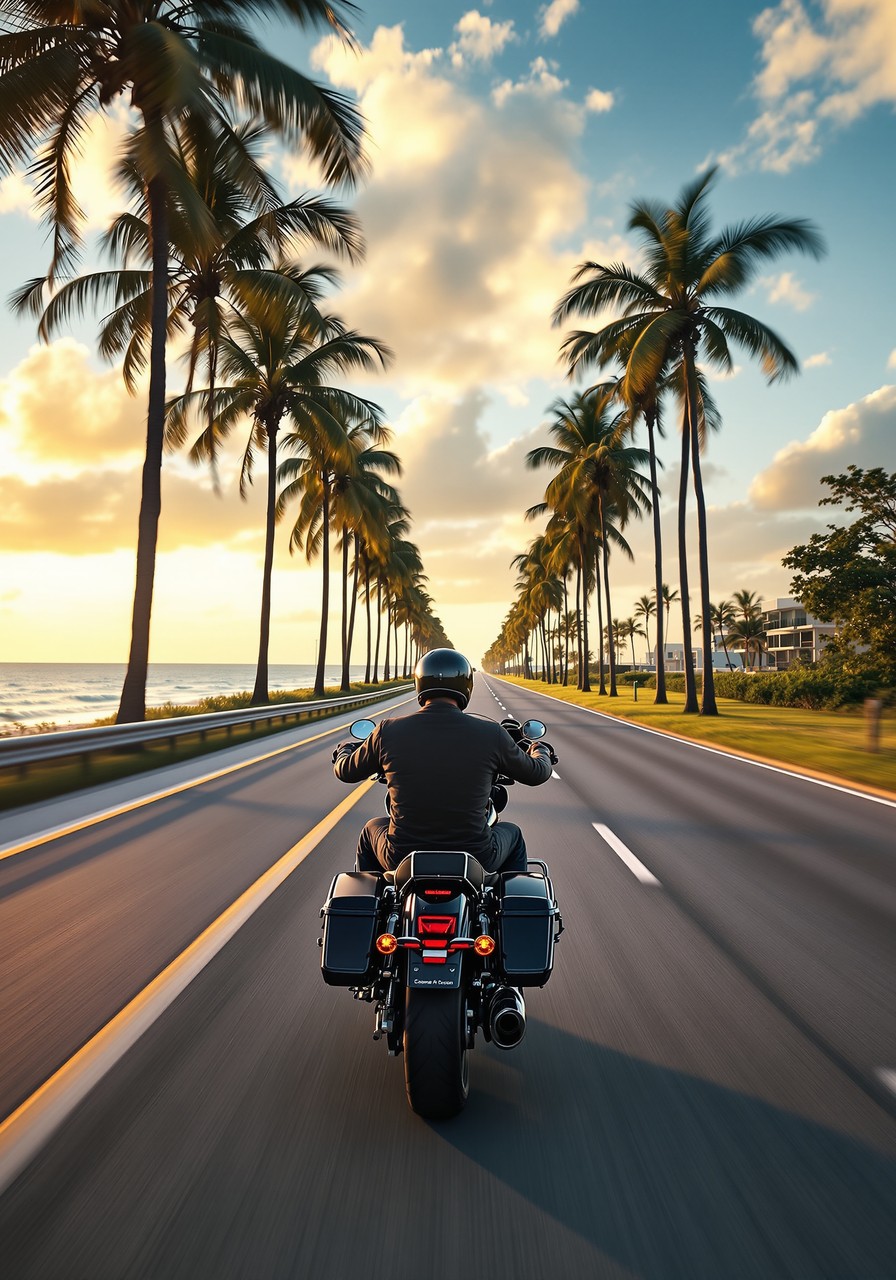
Sugarloaf on a clear winter day is peak Central Florida riding. Climb it slow, soak the view, then chase the chain-of-lakes roads below. #RideNationOrlando #Clermont #MotorcycleRoads
Gear & New Iron
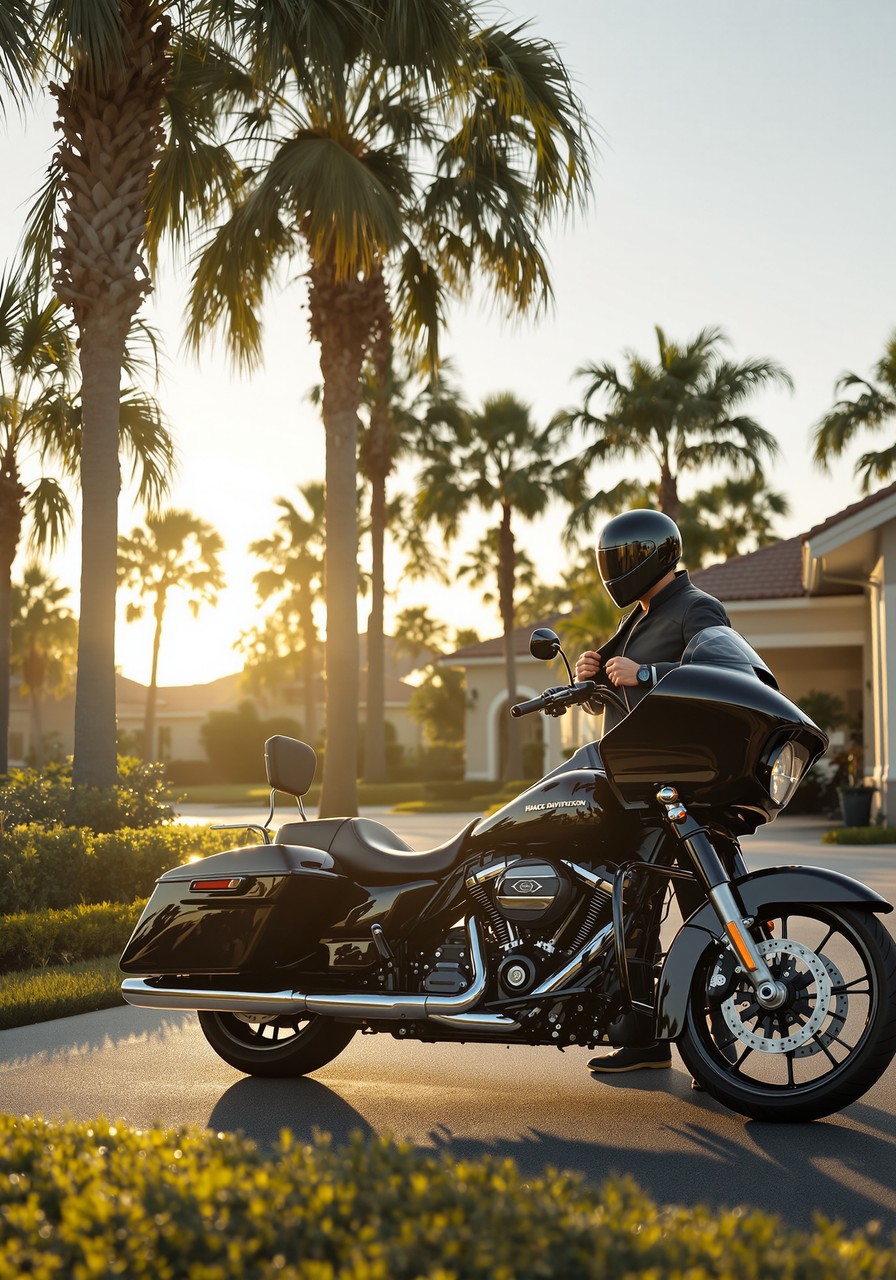
Tread depth check: if the wear bars are flush with the surface, the tire is done. Bald rubber and Florida afternoon rain do not mix. #RideNationOrlando #MotorcycleMaintenance #RiderTips
Safety & FL Law
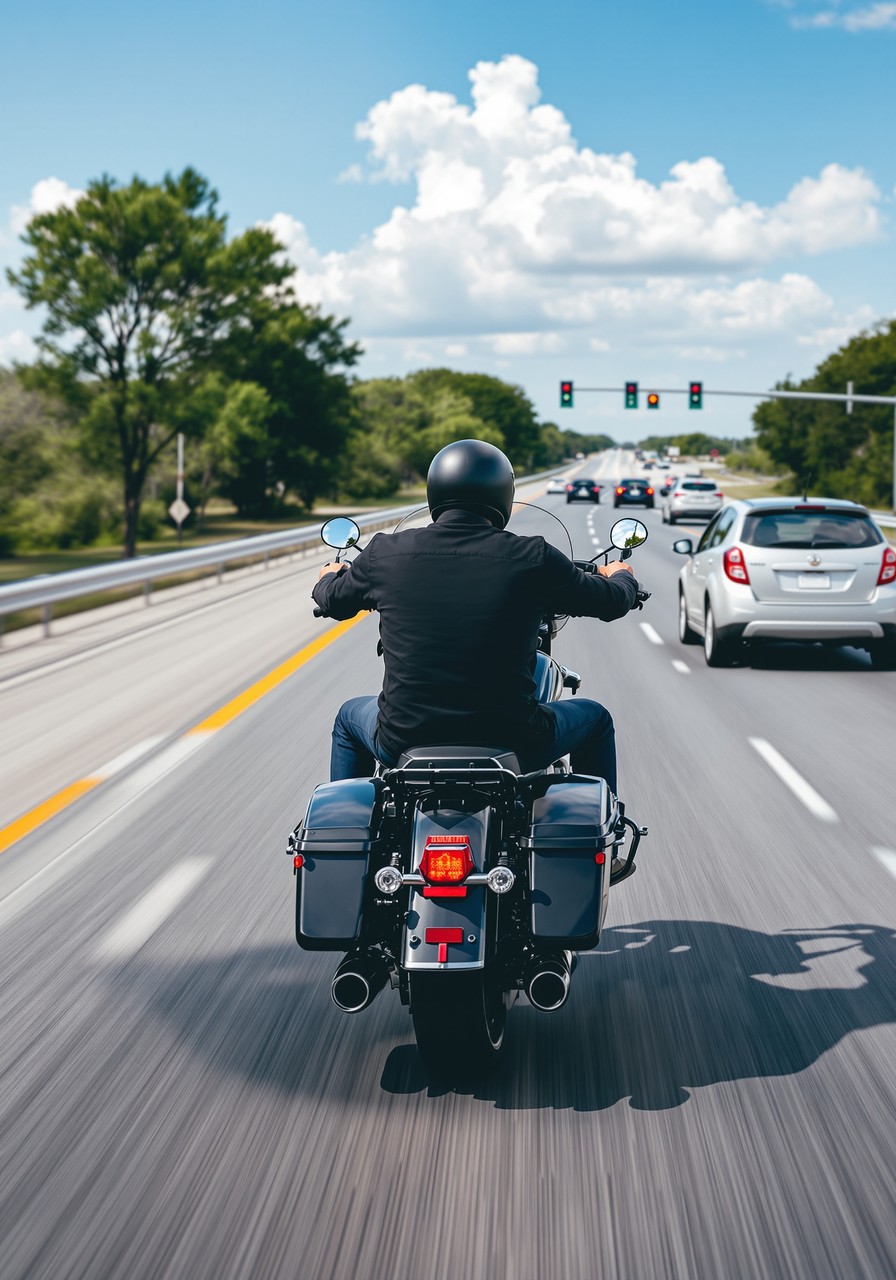
Lane splitting is illegal in Florida, and so is filtering to the front at a light. It also hands the other side an argument on fault. Keep your lane. Hurt anyway? DeWitt Law Firm, 407-245-7723. #RideNationOrlando #FloridaLaw #RiderSafety
Engagement
Poll: how many bikes is the correct number. n plus one, or be honest. Drop your count. #RideNationOrlando #TwoWheels #RideOrDie
Giveaway & Countdown
One week out. The $20,000 BikersWin giveaway draws December 10. Free, fast, and open to riders 18 and up. Link in comments. #RideNationOrlando #BikersWin #MotorcycleGiveaway
Local FL & Rides
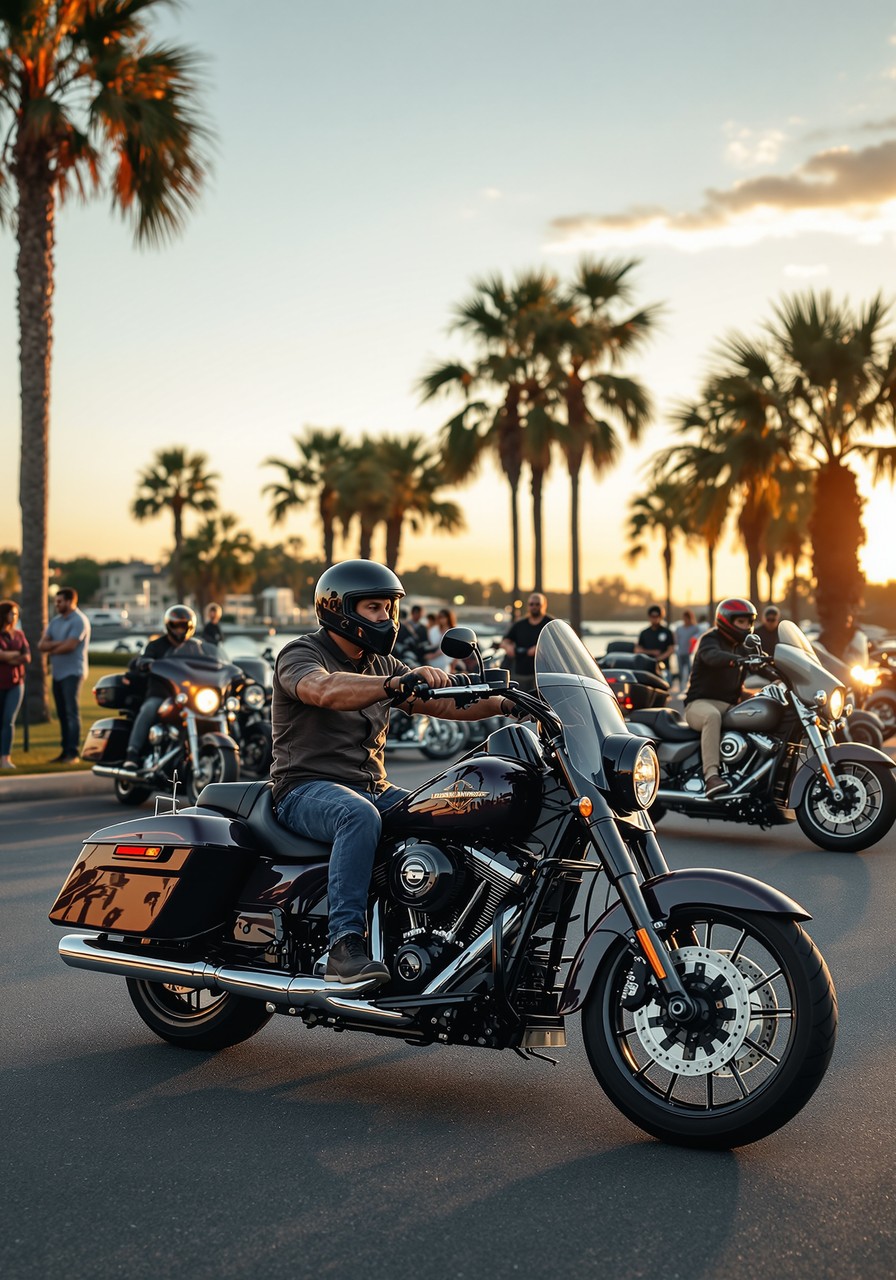
Mount Dora bike night brings the whole community out. Park it, talk shop, and roll home before the fog settles on the backroads. #RideNationOrlando #MountDora #LakeCounty
Gear & New Iron
Central Florida heat raises your tire pressure as you ride, so set it cold in the morning to spec. Do not bleed air off a hot tire and end up low. #RideNationOrlando #MotorcycleMaintenance #FloridaHeat
Safety & FL Law
That move where you thread between stopped cars? Not legal in Florida. It can cost you both a ticket and your case. Stay in your lane, stay visible. Questions? Moe DeWitt, 407-245-7723. #RideNationOrlando #MotorcycleSafety #KnowYourRights
Engagement
Fill in the blank: Daytona season means ______ to me. Give us one word or a whole story. #RideNationOrlando #FloridaRiders #BikerLife
Giveaway & Countdown
Tag two riders who deserve a shot at $20,000 toward a new bike. Spread the word. Entry link in the comments. #RideNationOrlando #OrlandoRiders #WinABike
Local FL & Rides
This is the season northern riders dream about. Sixty-five and sunny in January while everyone else is scraping ice. Get out and enjoy it. #RideNationOrlando #CentralFlorida #Florida
Gear & New Iron
Check tire pressure weekly, not once a season. A few pounds low kills your handling and chews the edges of the tread in this heat. #RideNationOrlando #MotorcycleMaintenance #RiderTips
Safety & FL Law
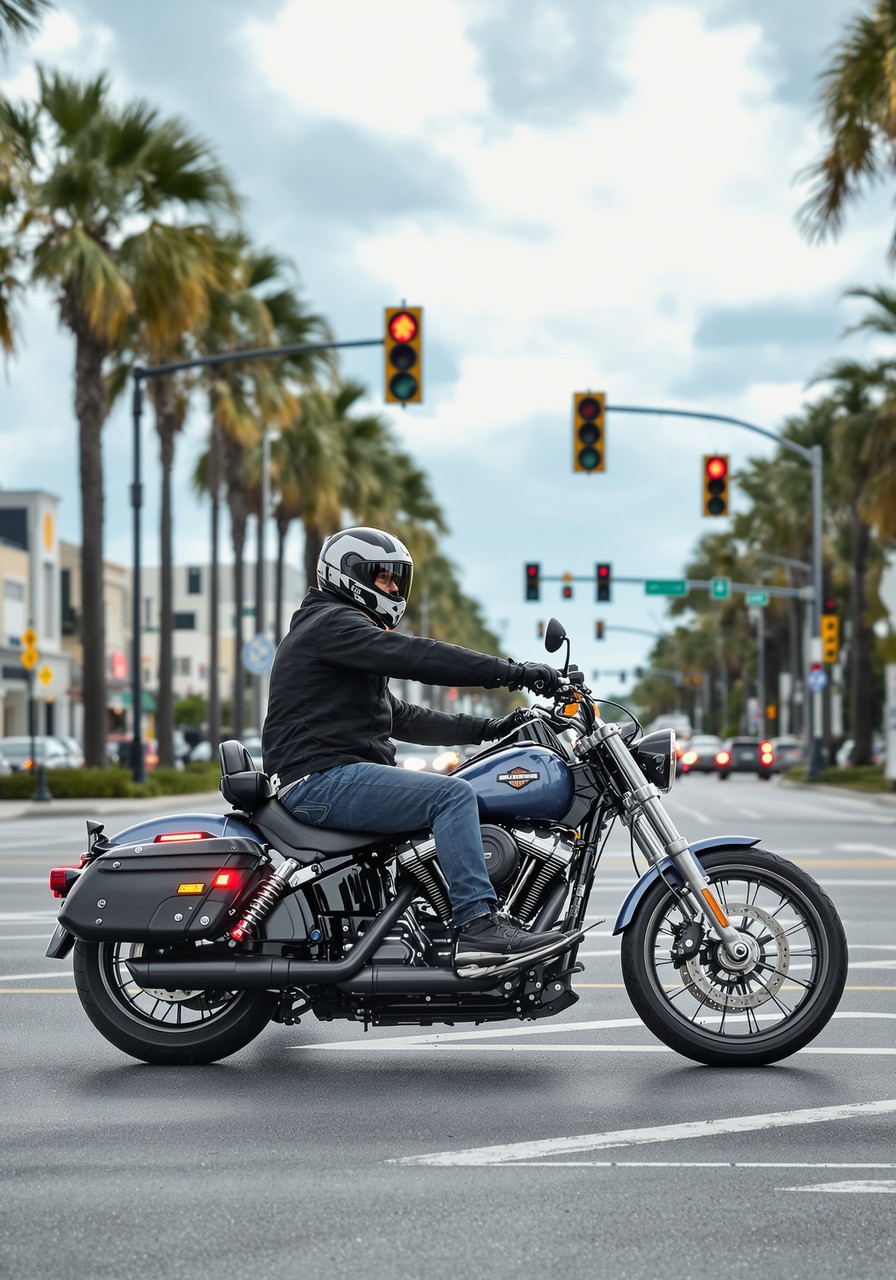
The car that turns left across your path is the classic rider killer. Cover your brakes at every intersection and assume they do not see you. Hurt by a left-turner? DeWitt Law Firm, 407-245-7723. #RideNationOrlando #MotorcycleSafety #RiderSafety
Engagement
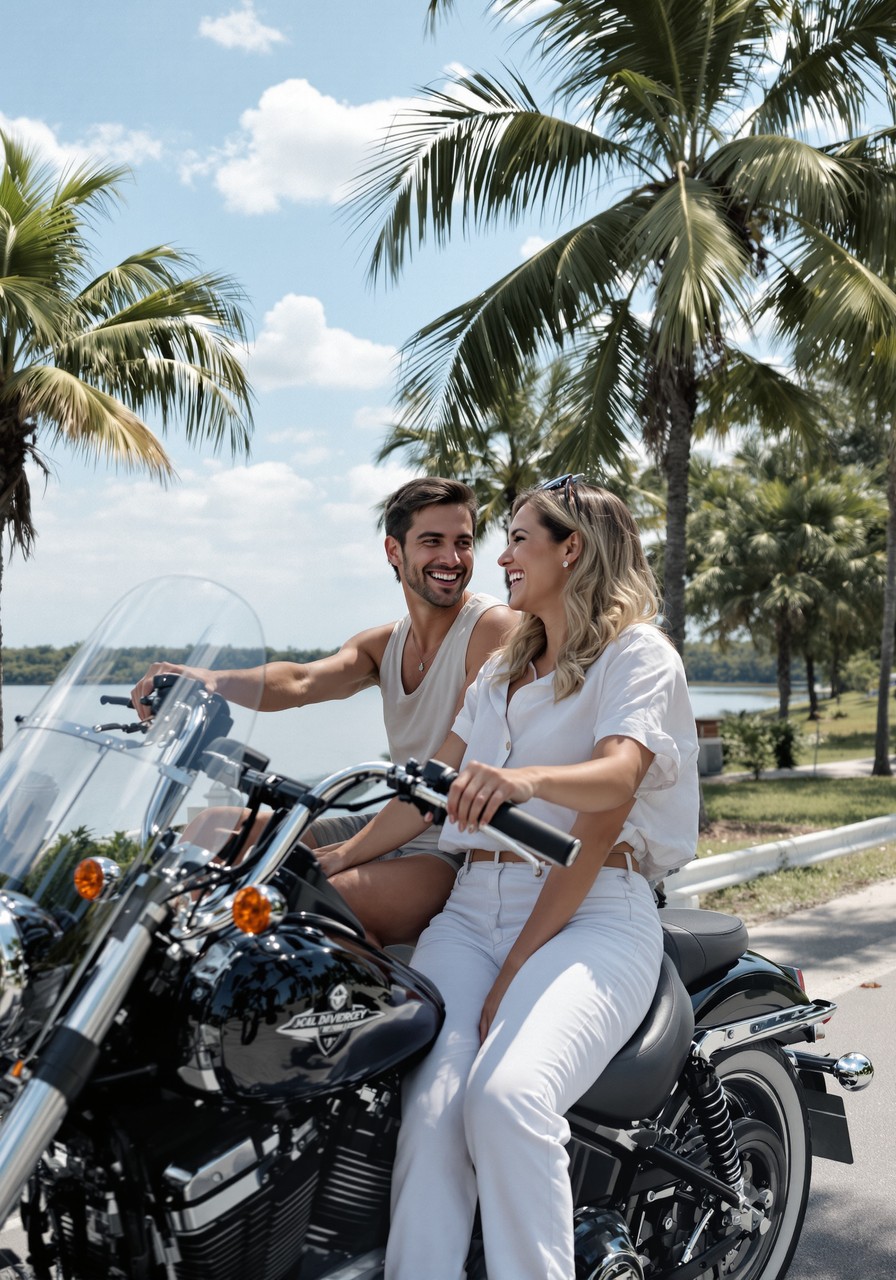
This or that: solo ride to clear your head or big group ride for the noise. What is your December mood? #RideNationOrlando #OrlandoRiders #CentralFlorida
Giveaway & Countdown
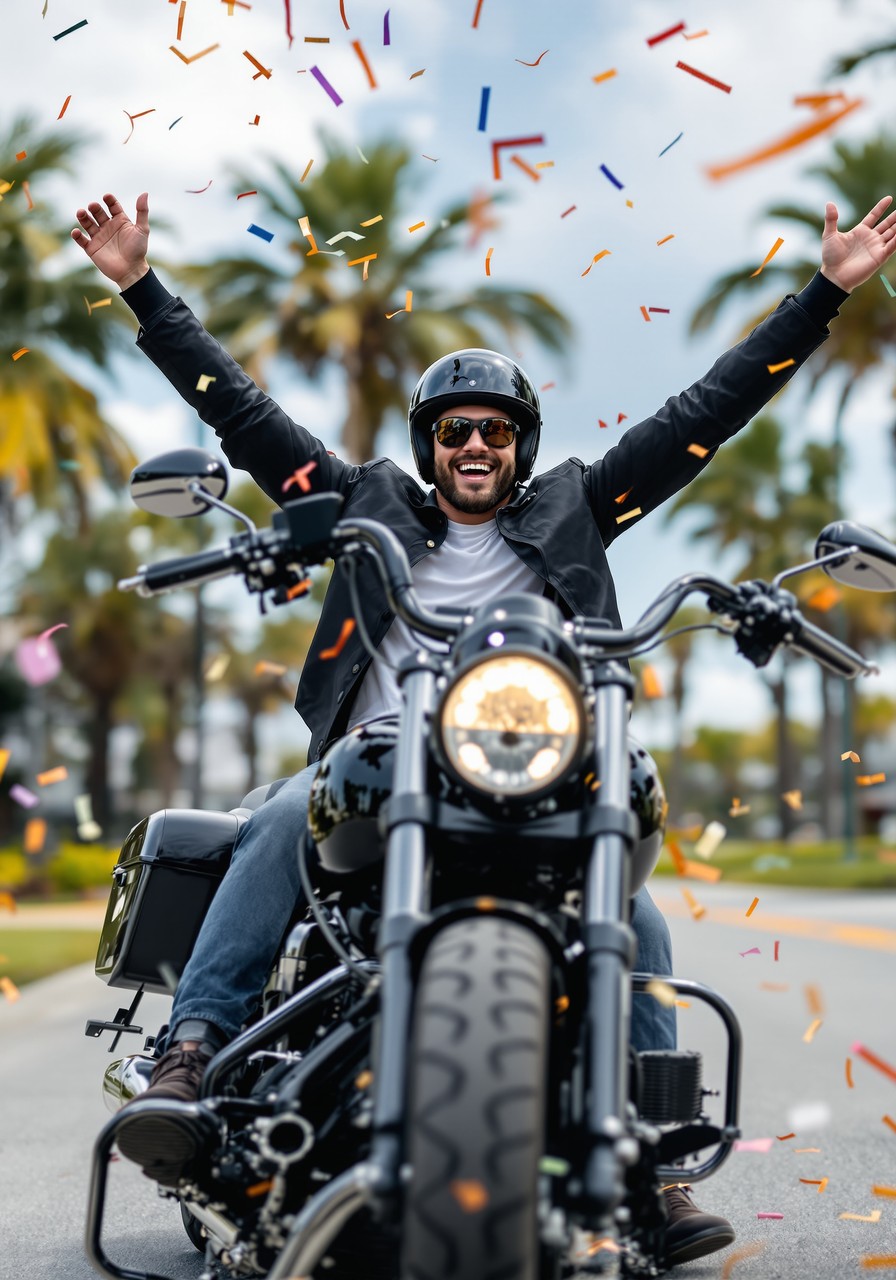
What bike is on your list? Harley, Yamaha, Honda, whatever you want. $20,000 could cover it. Free to enter. Link in comments. #RideNationOrlando #20kGiveaway #MotorcycleGiveaway
Local FL & Rides
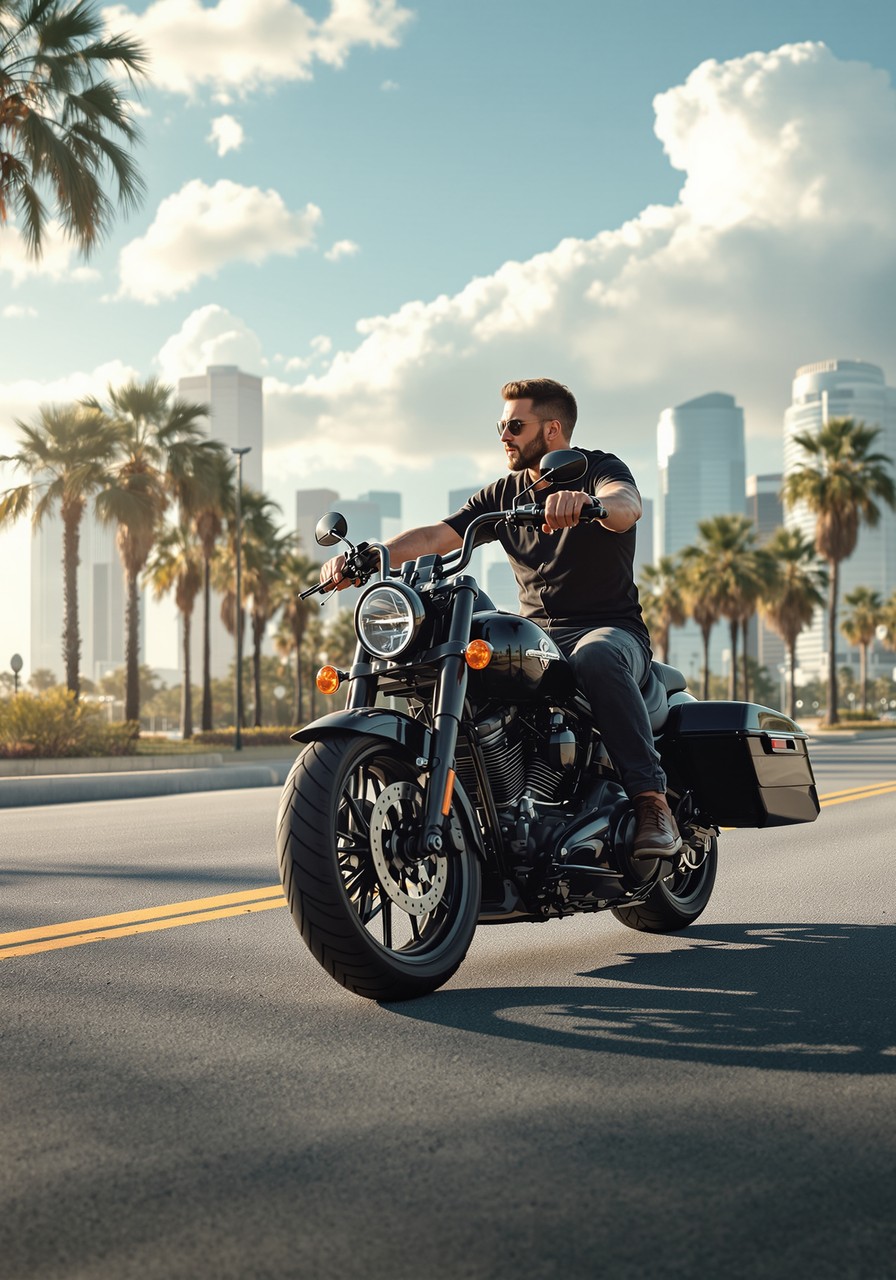
Tourist traffic near the attractions stops on a dime and turns without signaling. Cover your brakes and keep your escape lane open. #RideNationOrlando #OrlandoRiders #CentralFlorida
Gear & New Iron
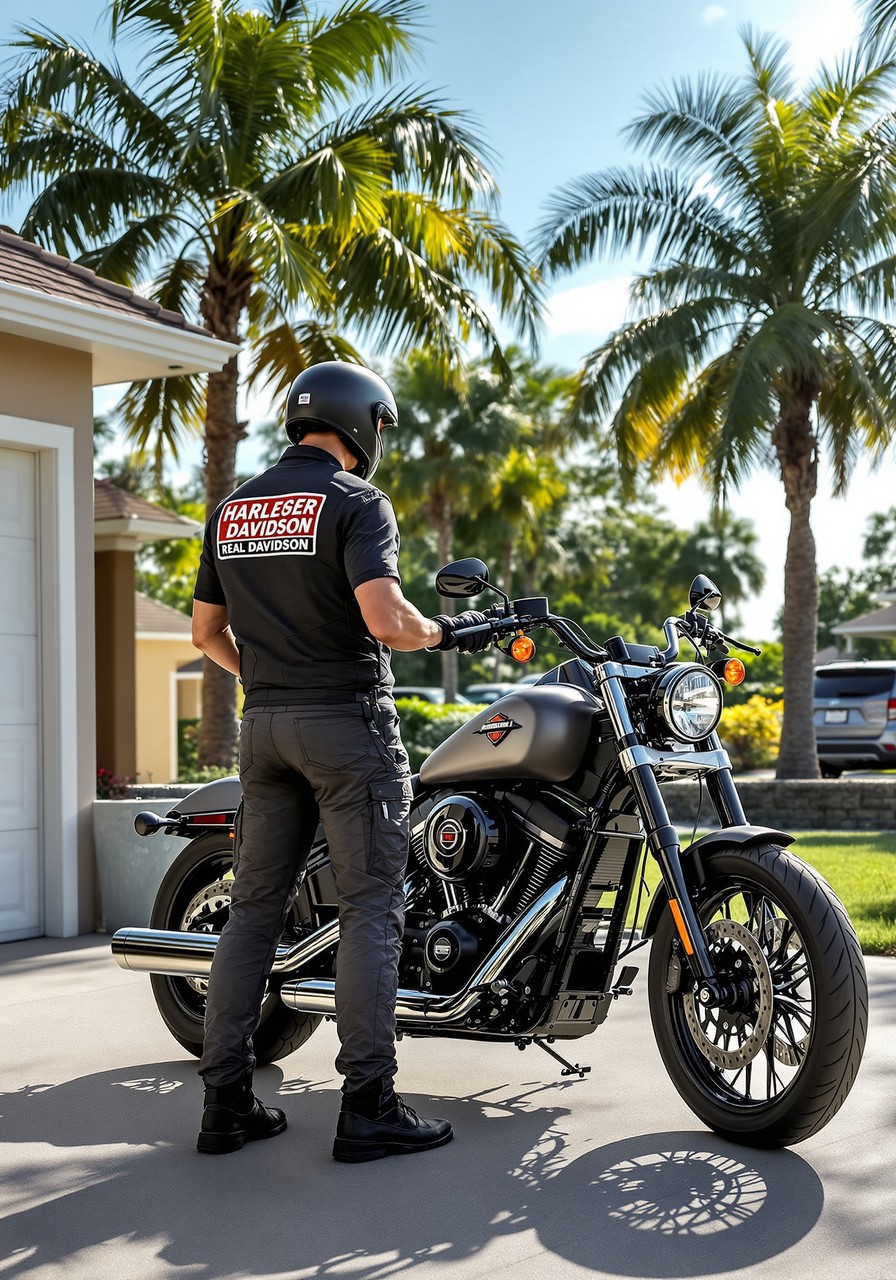
Humidity is brutal on batteries. If yours cranks slow or the bike is hard to start, test it before it strands you at a gas station. #RideNationOrlando #MotorcycleMaintenance #FloridaHeat
Safety & FL Law
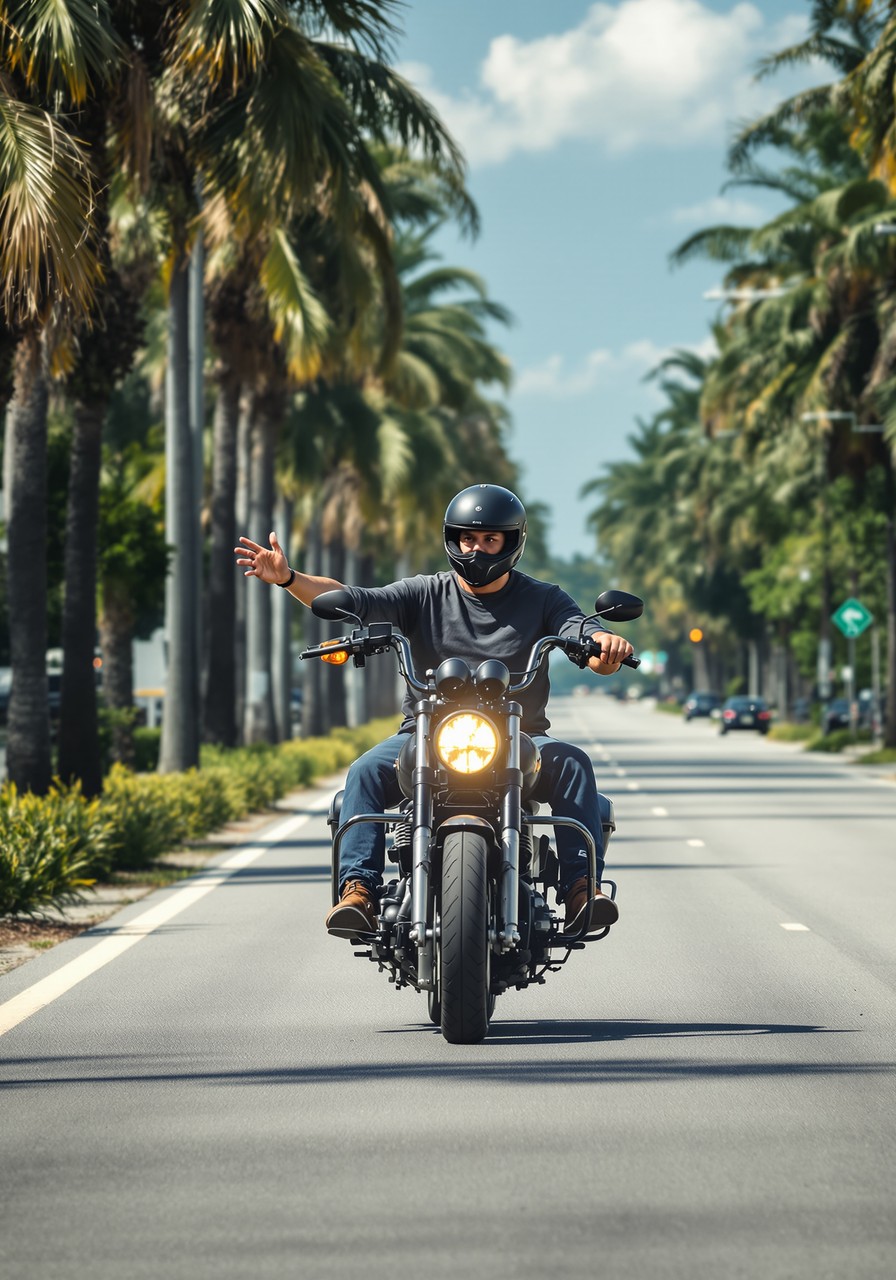
Left-turning drivers cause a huge share of motorcycle crashes. Watch the front wheels of oncoming cars, they turn before the driver looks. Ride ready. Hurt out there? Moe DeWitt, no cost to talk, 407-245-7723. #RideNationOrlando #MotorcycleSafety
Engagement
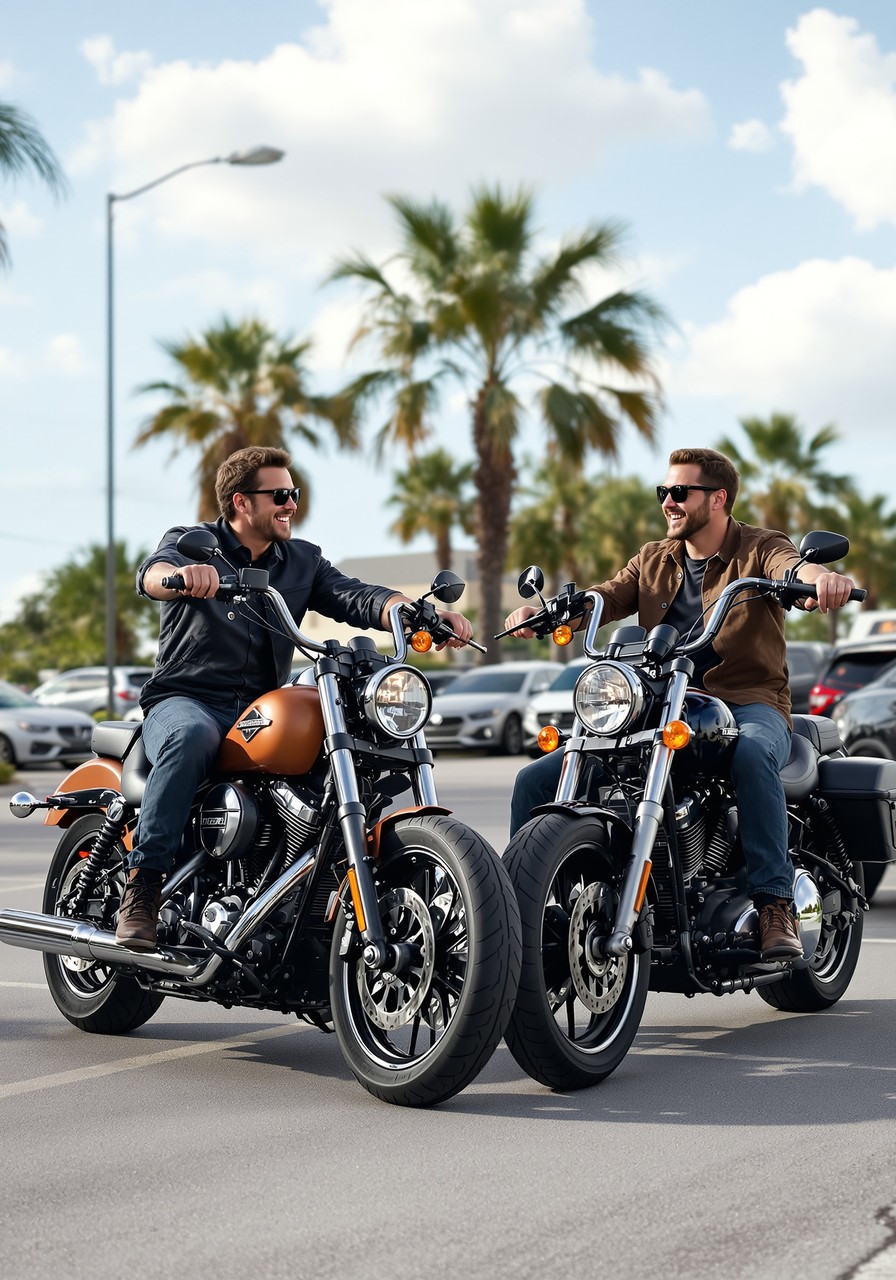
Name the song that has to be in your helmet for a highway pull. First one that pops in your head. #RideNationOrlando #TwoWheels #BikerLife
Giveaway & Countdown
Three days left. If your name is not in the $20,000 giveaway yet, fix that. Entry link in the comments. Questions after a wreck? DeWitt Law Firm, 407-245-7723. #RideNationOrlando #BikersWin #FreeToEnter
Local FL & Rides
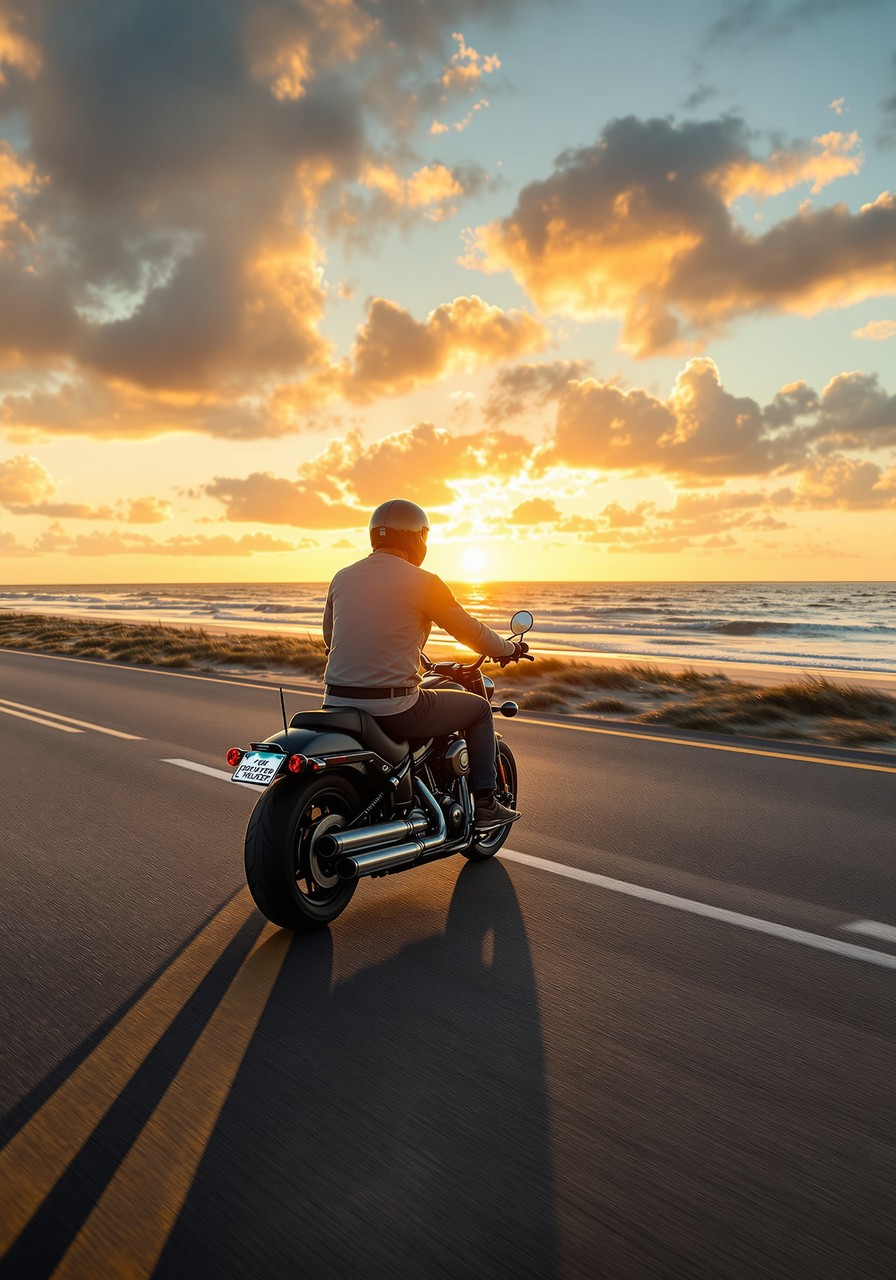
Lake County at first light is cool air and empty two-lanes. Get the miles in early before the heat and the traffic wake up. #RideNationOrlando #LakeCounty #MotorcycleRoads
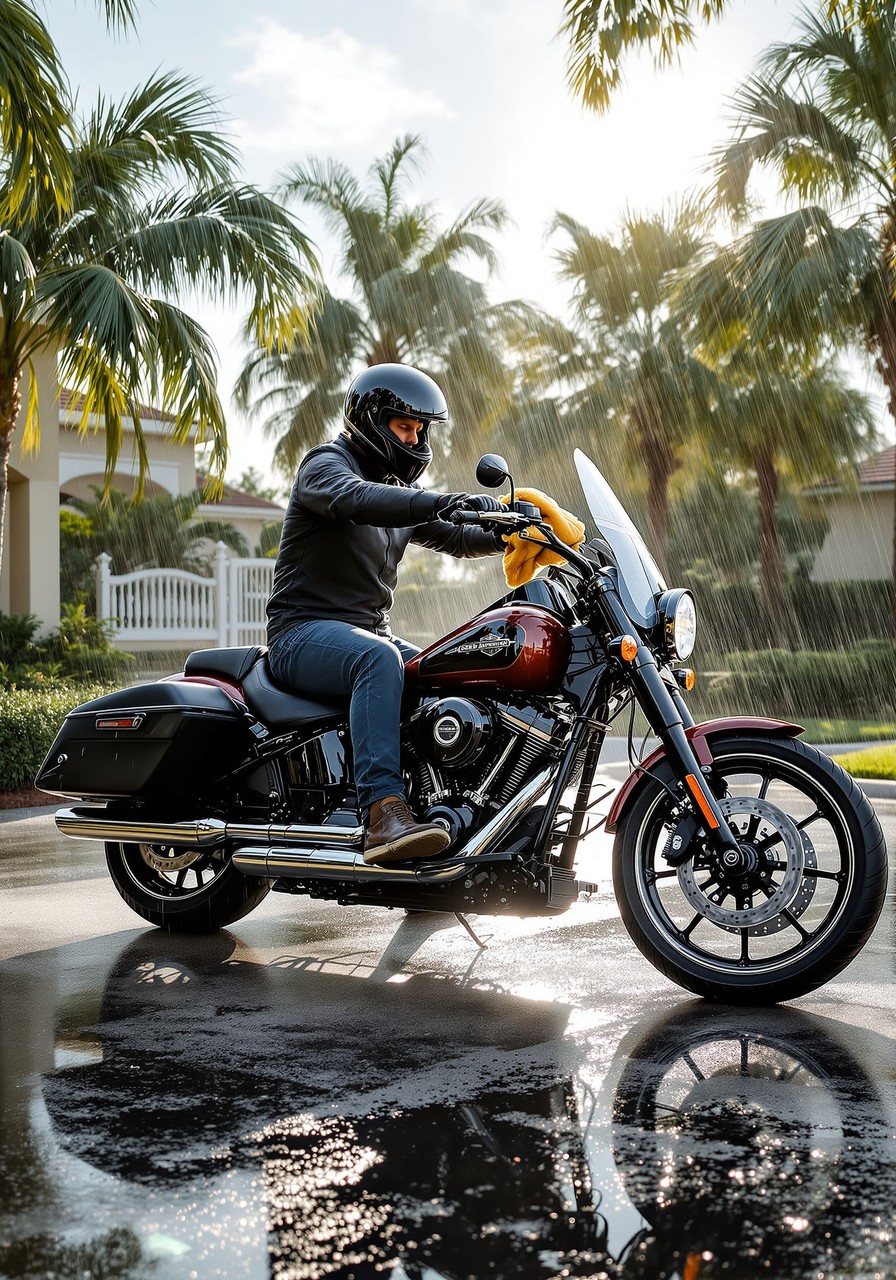
Gear & New Iron
A battery tender is cheap and Florida heat and humidity drain batteries even when the bike just sits. Keep it topped between rides. #RideNationOrlando #MotorcycleMaintenance #RiderTips
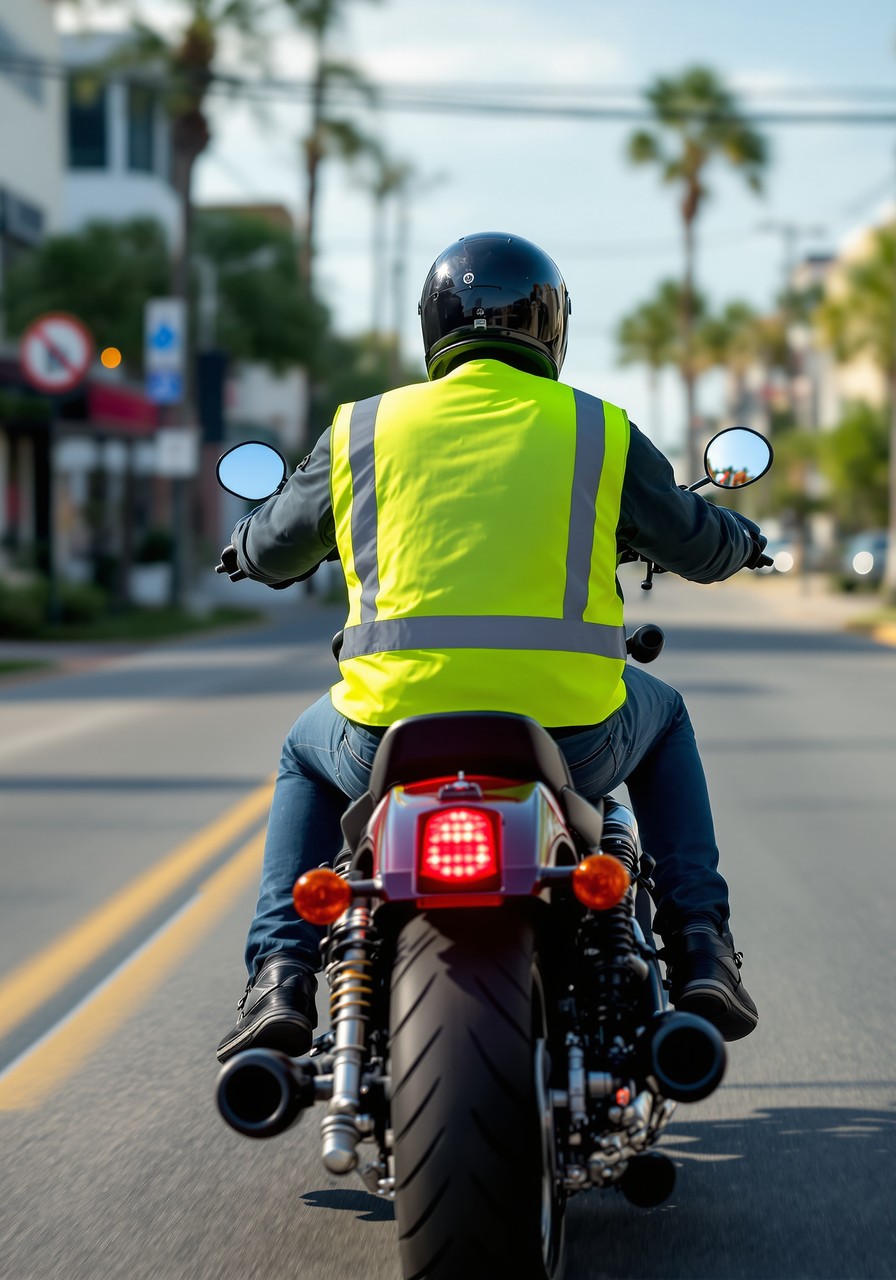
Safety & FL Law
Near the parks the roads fill with tourists and rental cars, drivers who do not know the streets or the traffic. Give yourself room and expect the sudden stop. Questions after a crash? DeWitt Law Firm, 407-245-7723. #RideNationOrlando #OrlandoRiders #RiderSafety
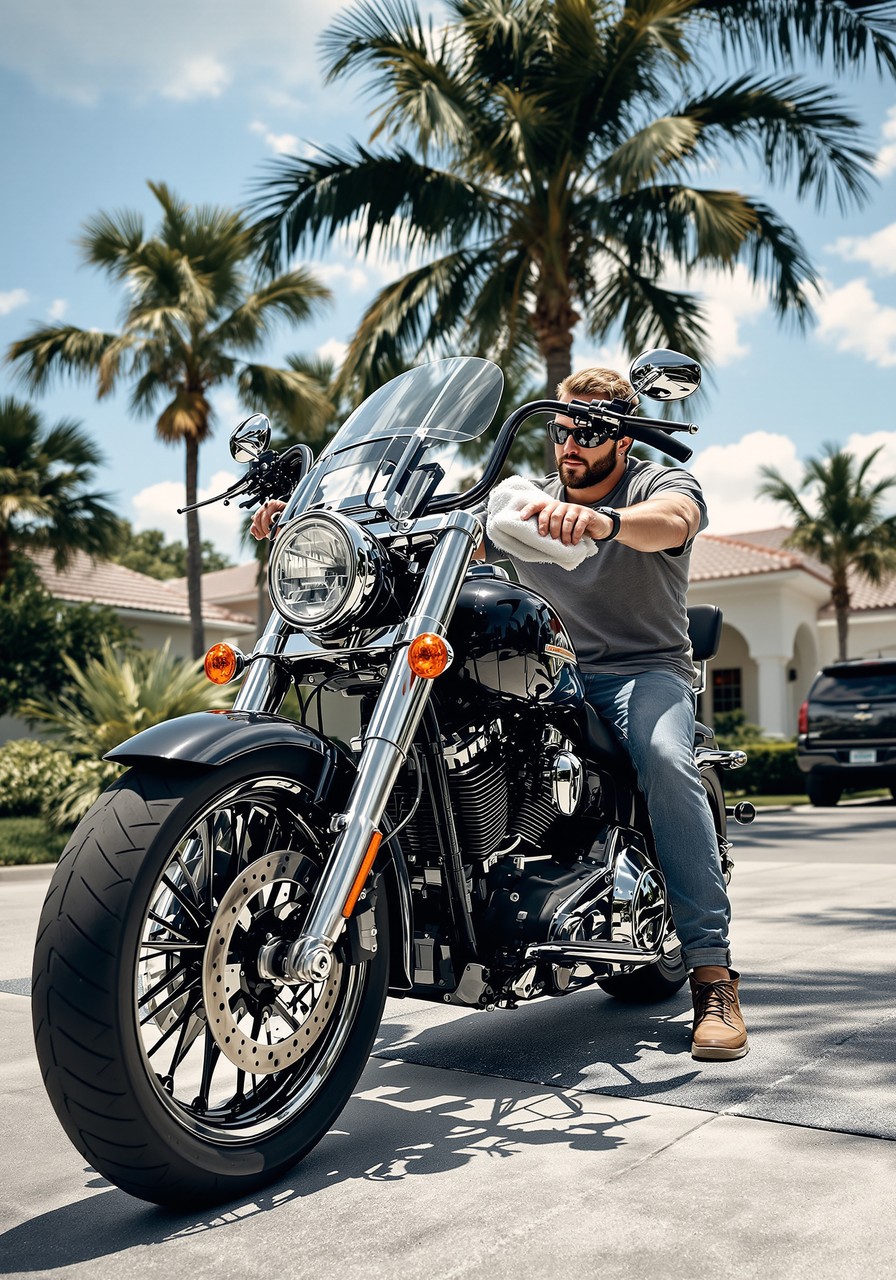
Engagement
Tag your favorite riding buddy and say one thing you learned from them on the road. #RideNationOrlando #RideOrDie #OrlandoRiders
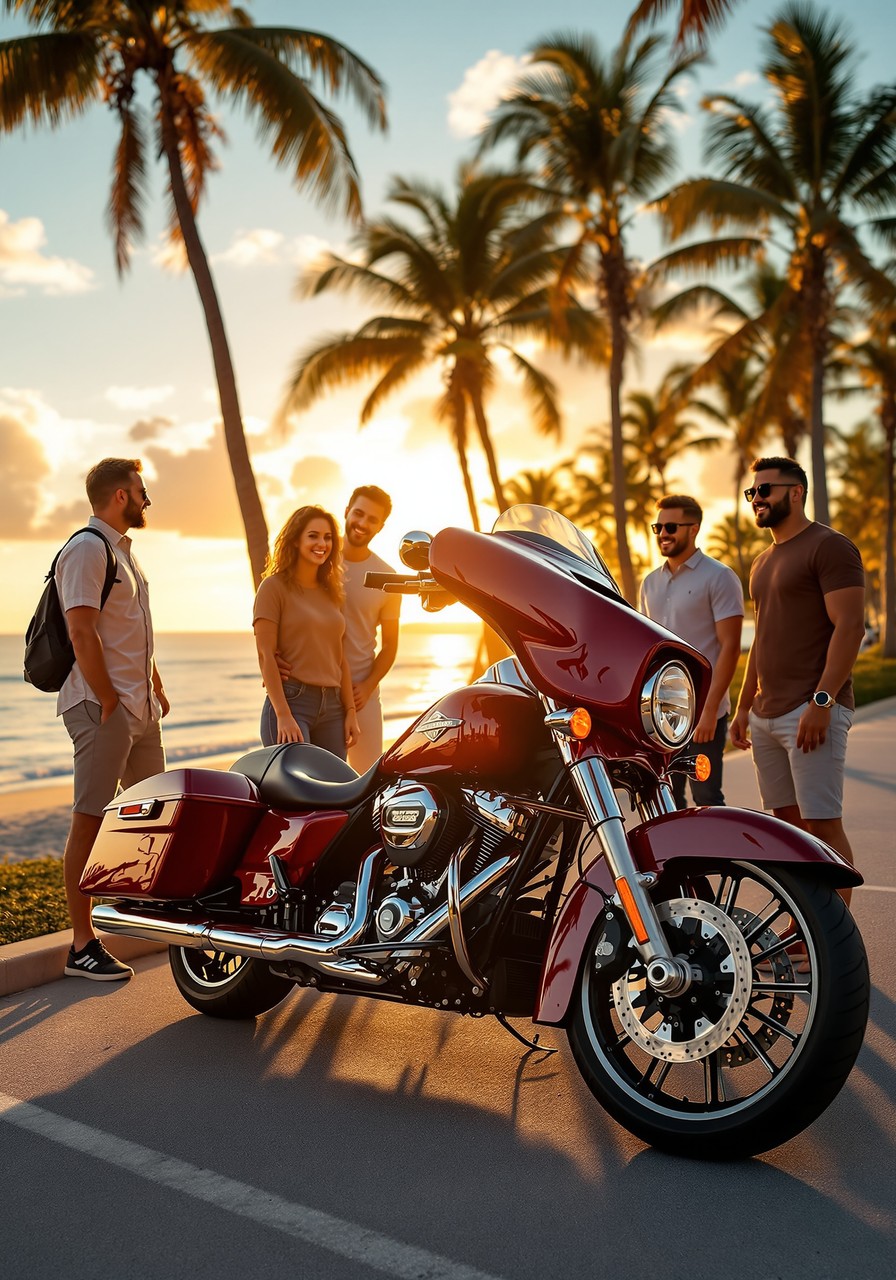
Giveaway & Countdown
Last call is close. December 10 draw, $20,000 to one rider, free to enter. Get in while you can. Link in comments. #RideNationOrlando #20kGiveaway #CentralFlorida
Local FL & Rides
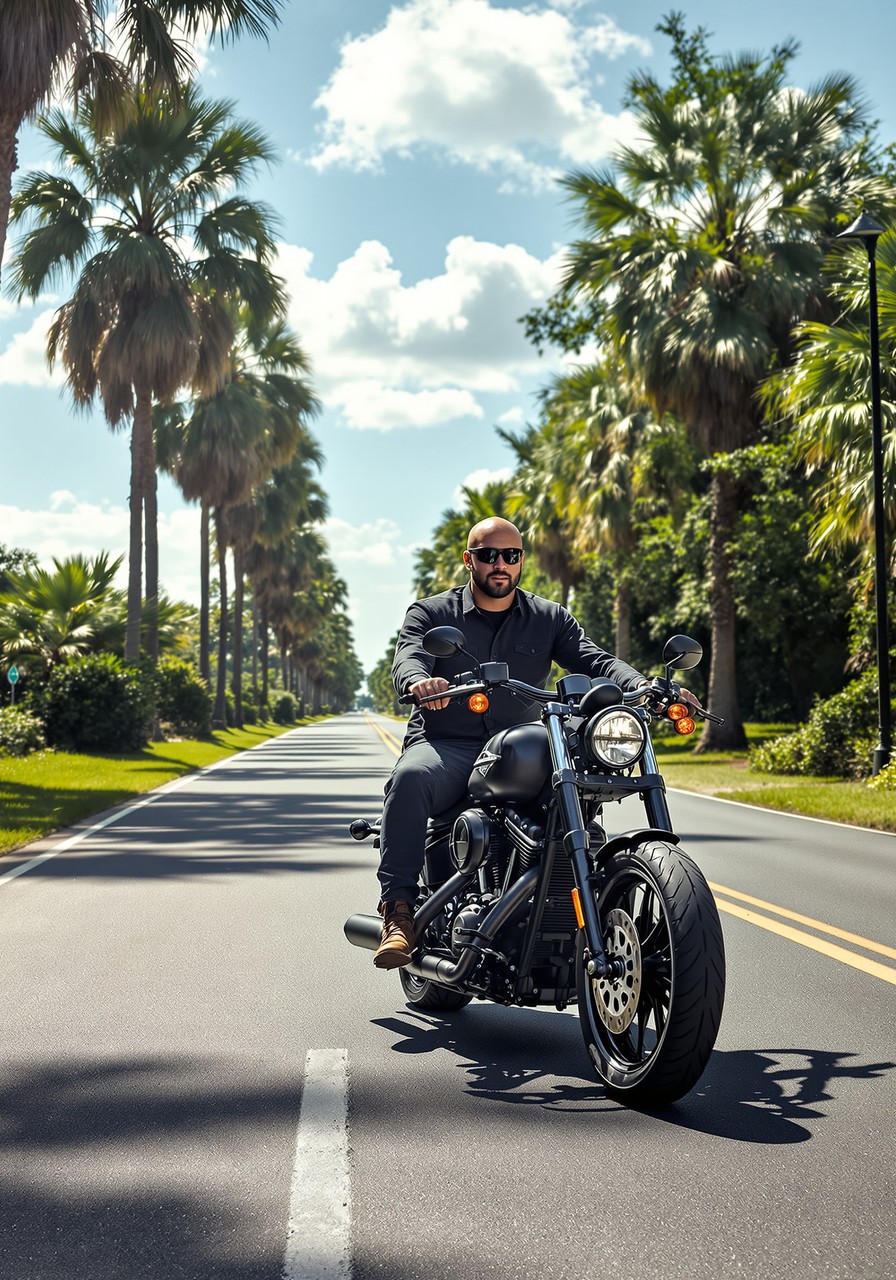
The Beachline straight out to the Space Coast is a clean 45 minutes of open throttle. Watch for gators of the four-wheel kind near the toll plazas. #RideNationOrlando #SpaceCoast #CentralFlorida
Gear & New Iron
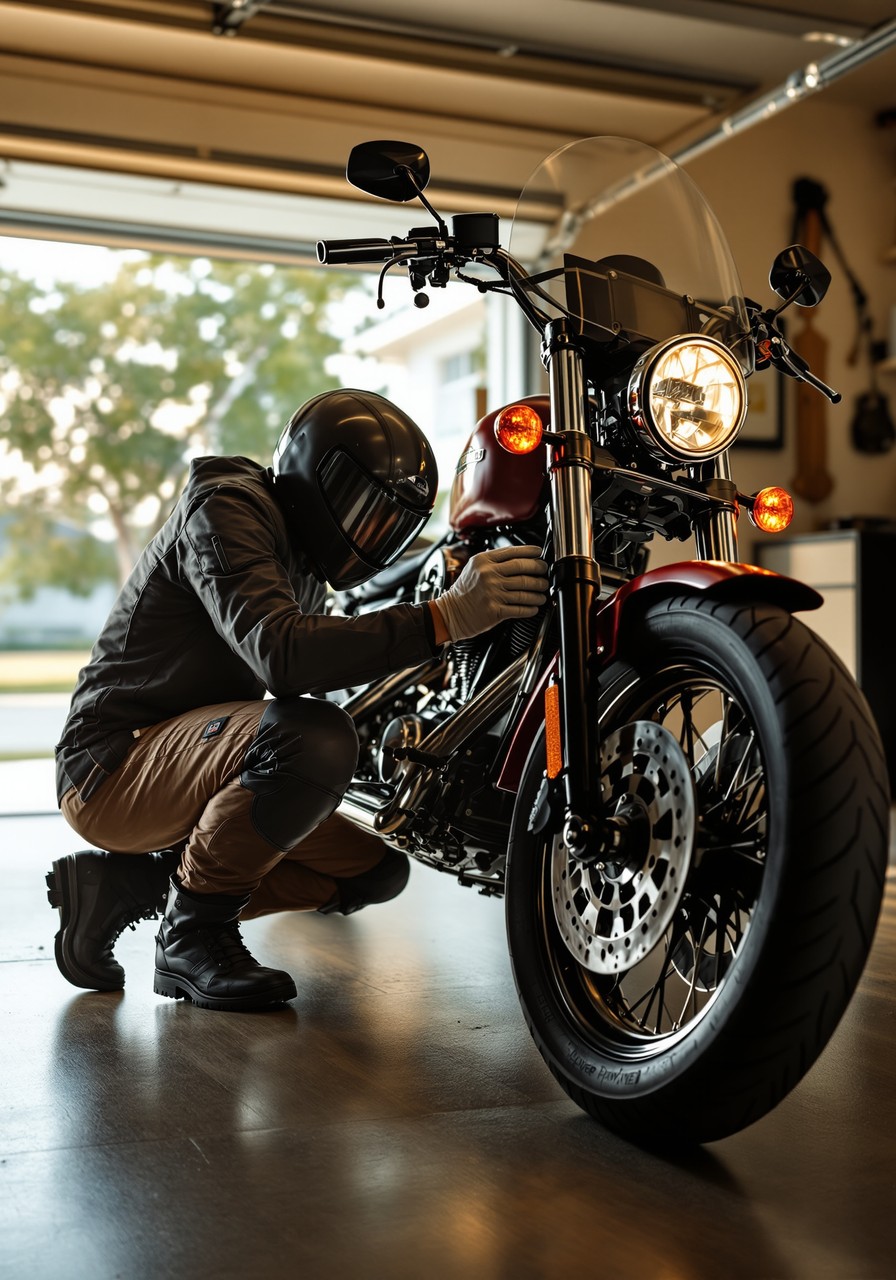
Brake fluid absorbs moisture, and Central Florida humidity speeds that up. Old dark fluid means a spongy lever. Flush it on schedule. #RideNationOrlando #MotorcycleMaintenance #RiderTips
Safety & FL Law
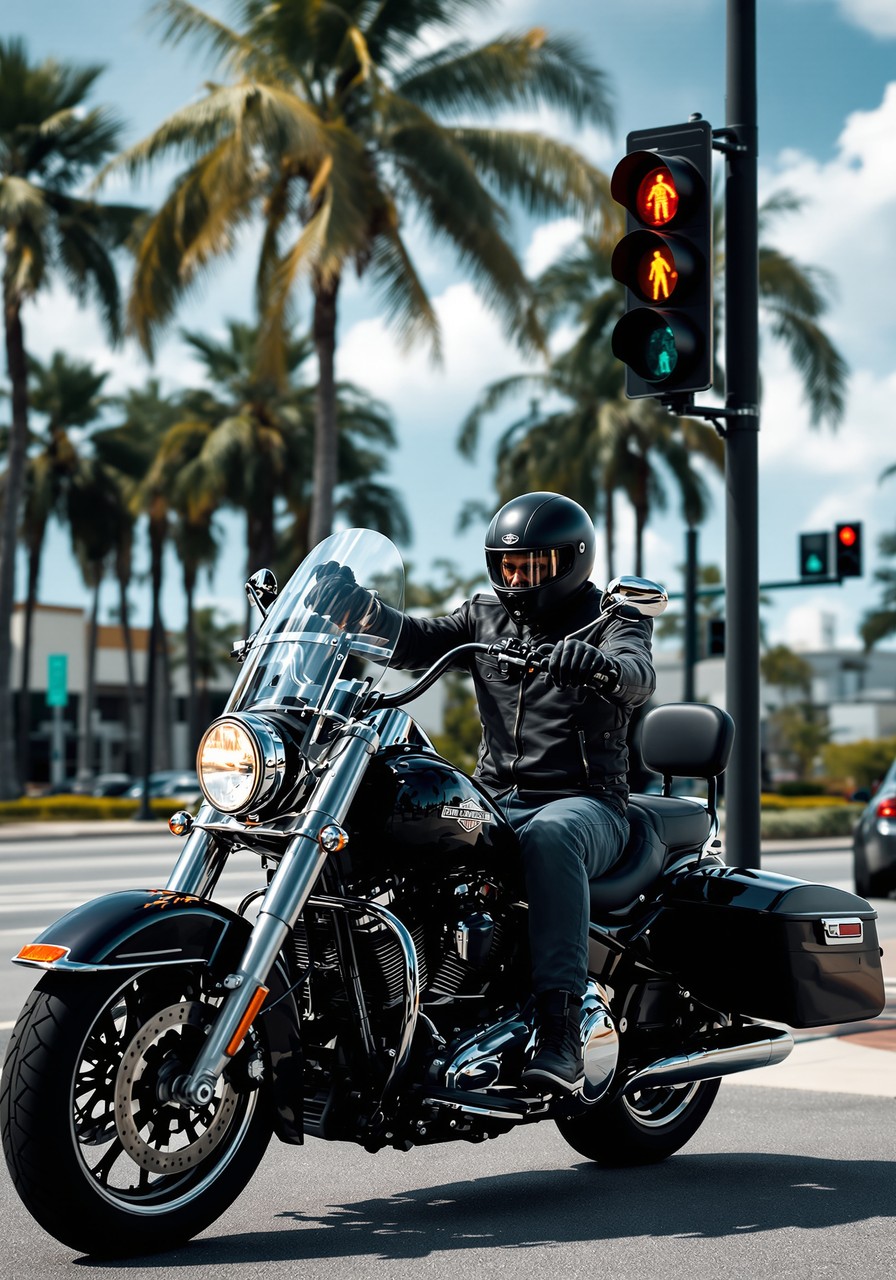
Rental-car drivers around Orlando are watching signs, not you. Ride like you are invisible near the attractions. Build in space. Hurt by a distracted driver? Moe DeWitt, 407-245-7723. #RideNationOrlando #OrlandoRiders #MotorcycleSafety
Engagement
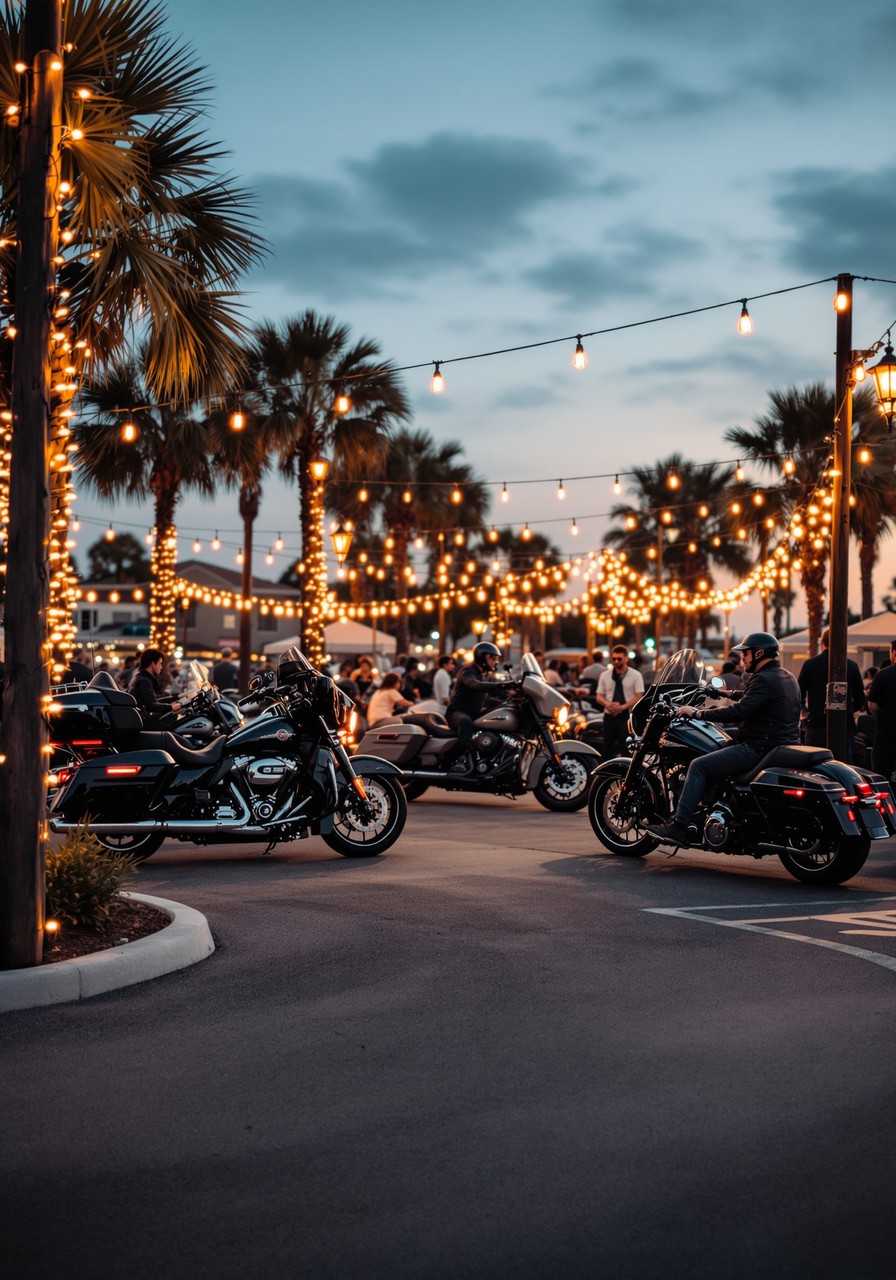
Caption this: you check the forecast, see one tiny cloud, and cancel nothing because Florida. #RideNationOrlando #FloridaRiders #CentralFlorida
Giveaway & Countdown
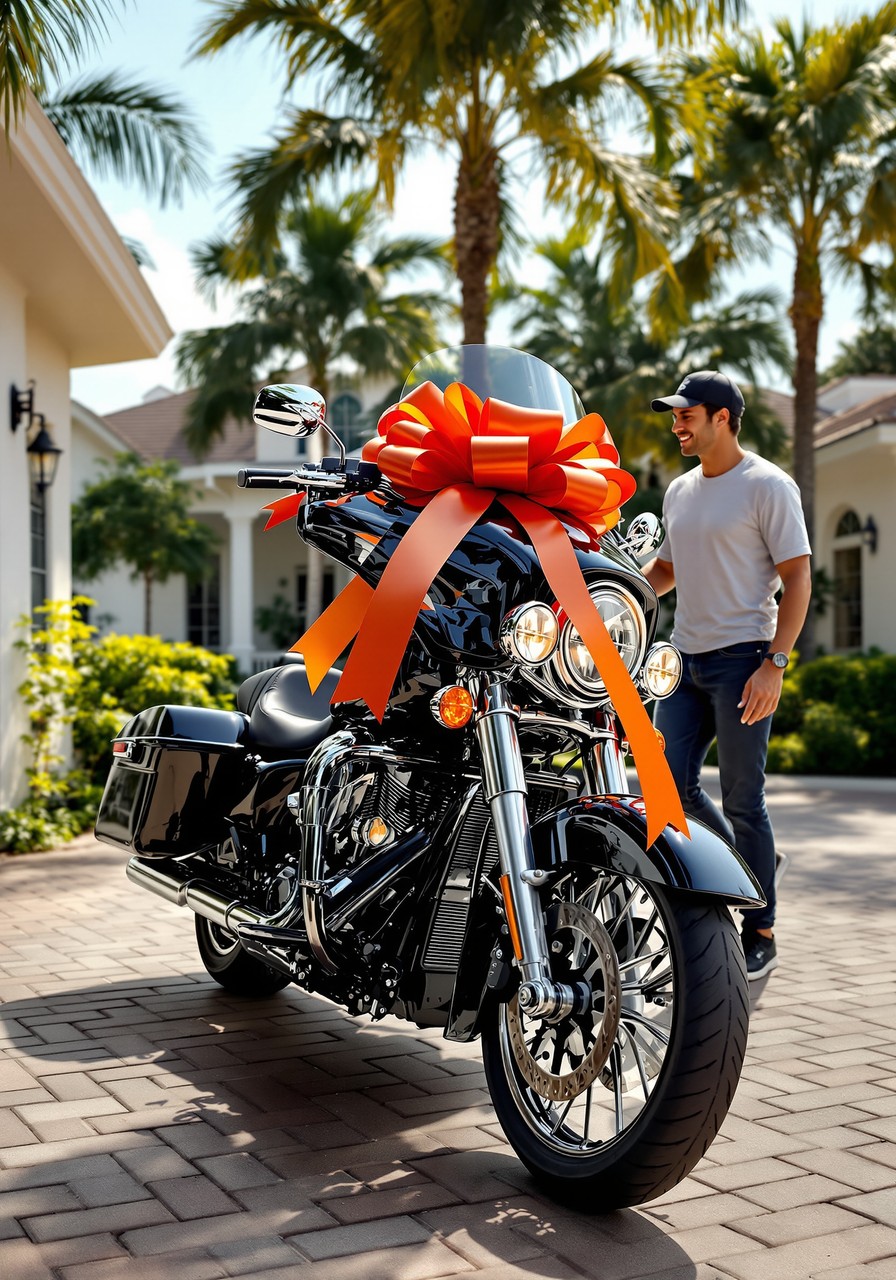
Tomorrow is the day. Last chance to enter the $20,000 BikersWin giveaway before the December 10 draw. Link in comments. #RideNationOrlando #WinABike #OrlandoRiders
Local FL & Rides
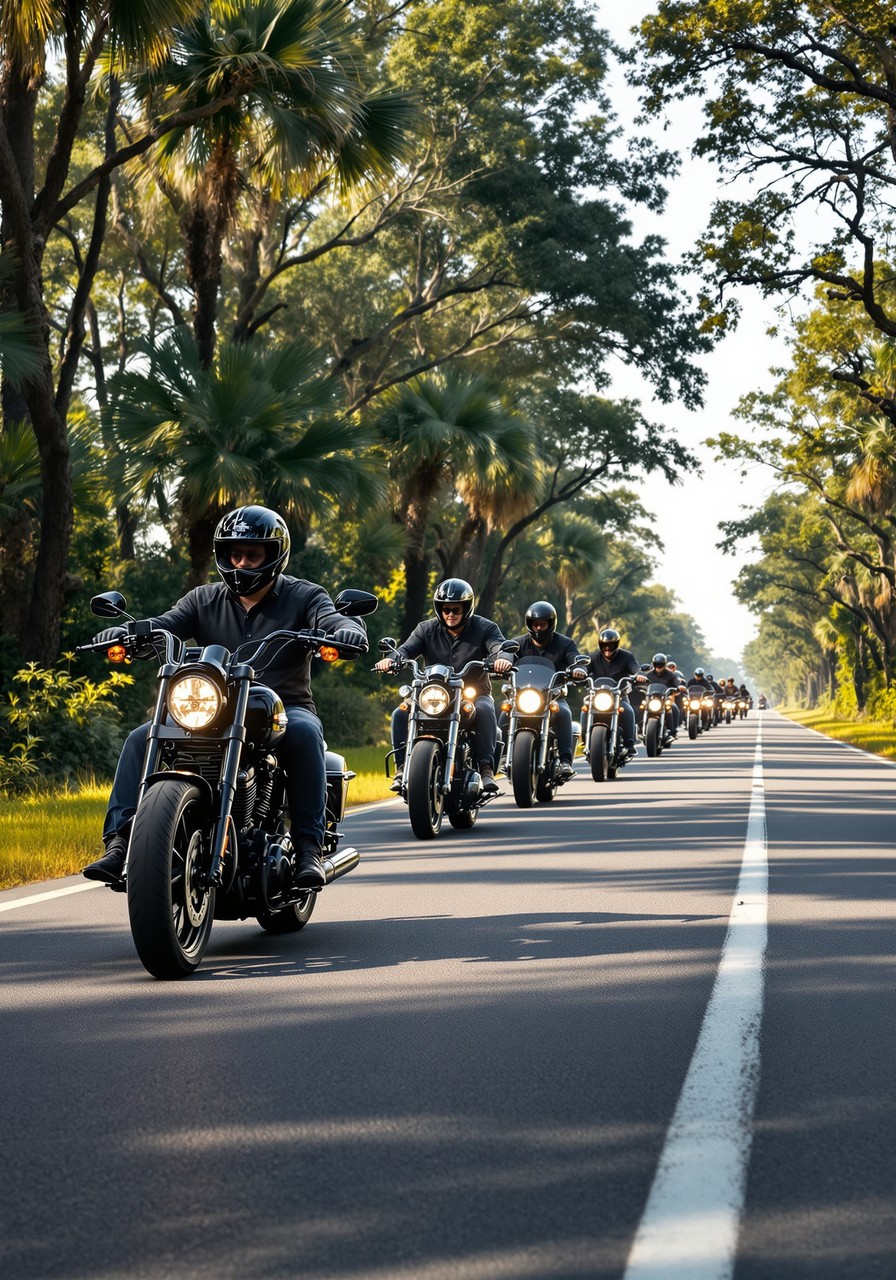
Clermont chain-of-lakes roads roll and bend just enough to keep it fun. String them together and you have a full morning right here. #RideNationOrlando #Clermont #MotorcycleRoads
Gear & New Iron
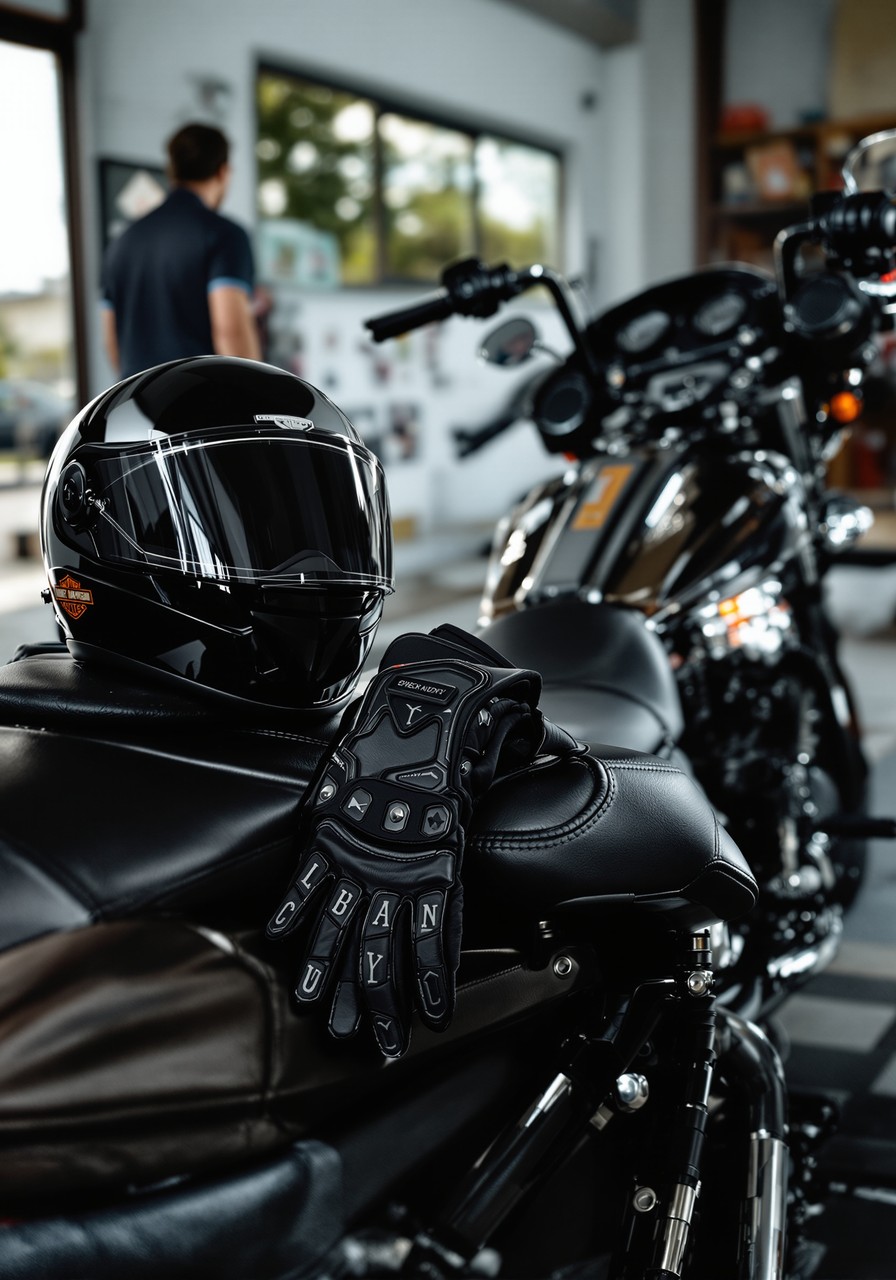
Squeeze your front brake at a stop. If the lever pulls closer to the grip than it used to, your fluid or pads need attention before your next ride. #RideNationOrlando #MotorcycleMaintenance #RiderTips
Safety & FL Law
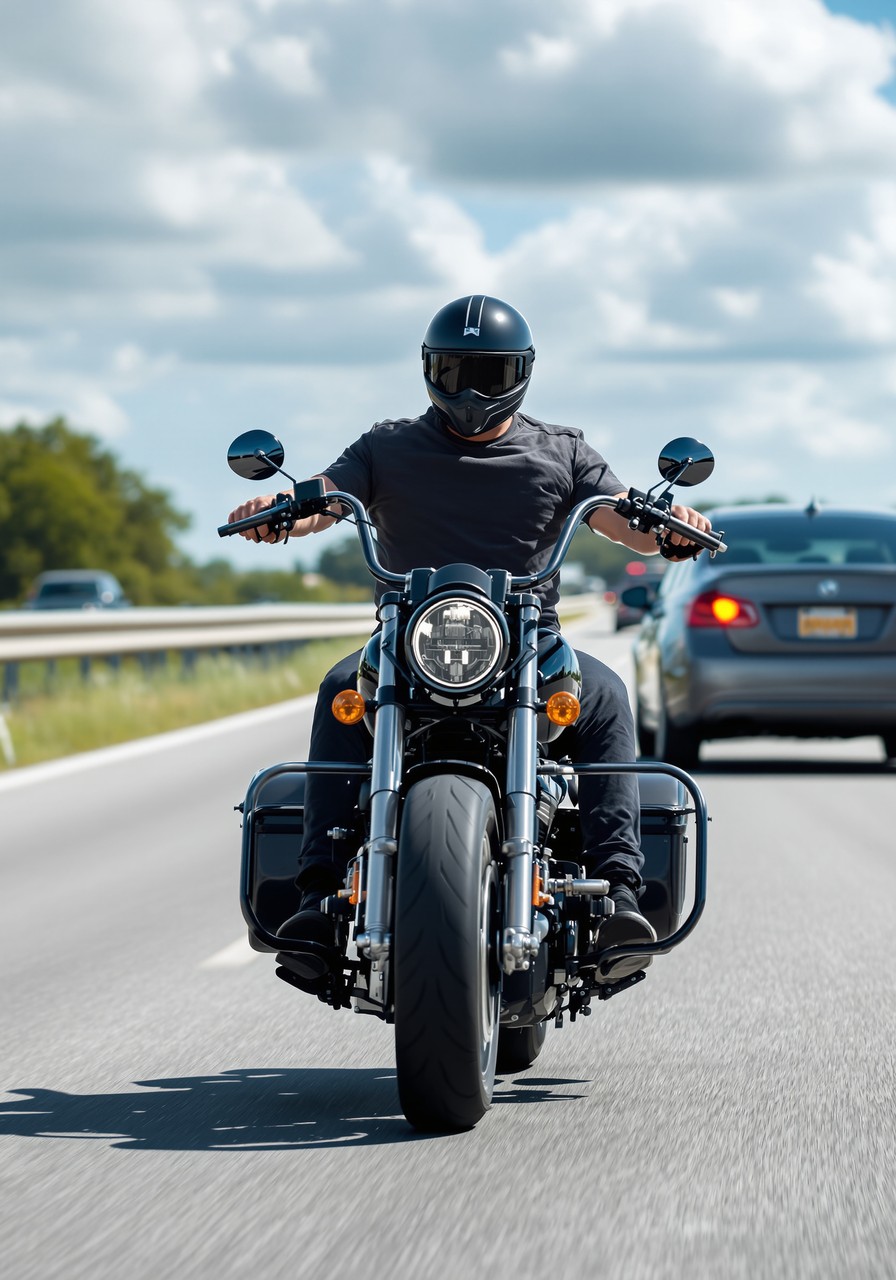
Central Florida sun glare at dawn and dusk hides riders from drivers looking straight into it. Wear bright gear, use your high beam by day, assume they are blind. Questions? DeWitt Law Firm, 407-245-7723. #RideNationOrlando #RiderSafety #MotorcycleSafety
Engagement
Poll: heated grips in a Florida winter. Genius, or overkill for a 55 degree morning. Vote below. #RideNationOrlando #BikerLife #TwoWheels
Giveaway & Countdown
Final hours. The $20,000 giveaway draws today, December 10. If you are in, good luck. If you are not, the link is in the comments right now. #RideNationOrlando #BikersWin #20kGiveaway
Local FL & Rides
Around Wekiva Springs the shade drops the temp and hides sandy spots. Beautiful ride, just read the pavement through the dark patches. #RideNationOrlando #CentralFlorida #LakeCounty
Gear & New Iron
Chain care is not optional in this climate. Rain and humidity strip lube and flash rust in days. Clean and lube it, and check the slack. #RideNationOrlando #MotorcycleMaintenance #FloridaHeat
Safety & FL Law
That afternoon Florida downpour turns oil-slick asphalt into a skating rink in seconds. Ease off, widen your gap, ride your own ride. Get caught out and hurt? Moe DeWitt, 407-245-7723. #RideNationOrlando #RiderSafety #MotorcycleSafety
Engagement
This or that: chase the Space Coast sunrise or hunt a Lake County sunset. You can only pick one today. #RideNationOrlando #SpaceCoast #LakeCounty
Giveaway & Countdown
Draw day. Huge thank you to every Ride Nation rider who entered the $20,000 BikersWin giveaway. Winner announced soon. Stay tuned. #RideNationOrlando #MotorcycleGiveaway #CentralFlorida
Local FL & Rides
DeLand to the St. Johns River backroads is quiet, green, and yours on a weekday morning. One of our best-kept local runs. #RideNationOrlando #CentralFlorida #MotorcycleRoads
Gear & New Iron
A dry chain wears your sprockets and can snag at the worst moment. Wipe it down and lube after any wet ride. #RideNationOrlando #MotorcycleMaintenance #RiderTips
Safety & FL Law
First rain after a dry stretch is the most slippery in Florida. Oil rises, traction drops, brakes get longer. Slow down and give room. Hurt in the wet? DeWitt Law Firm, no cost to talk, 407-245-7723. #RideNationOrlando #MotorcycleSafety #RiderSafety
Engagement
Fill in the blank: the worst advice I ever got about riding was ______. Let us hear it. #RideNationOrlando #OrlandoRiders #TwoWheels
Giveaway & Countdown
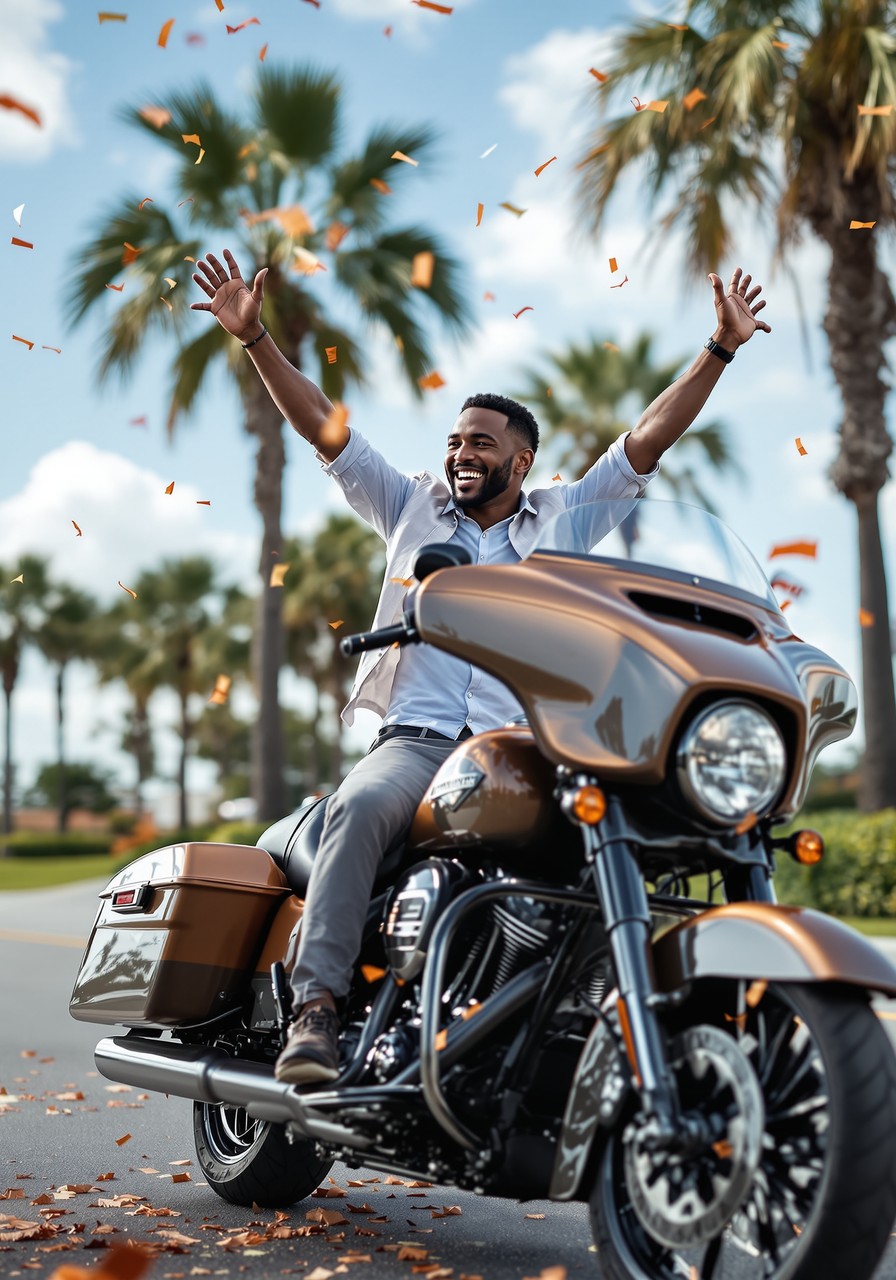
Congrats to our $20,000 winner, and thank you to everyone who rode with us on this one. This was just the first. More giveaways coming. #RideNationOrlando #BikersWin #OrlandoRiders
Local FL & Rides
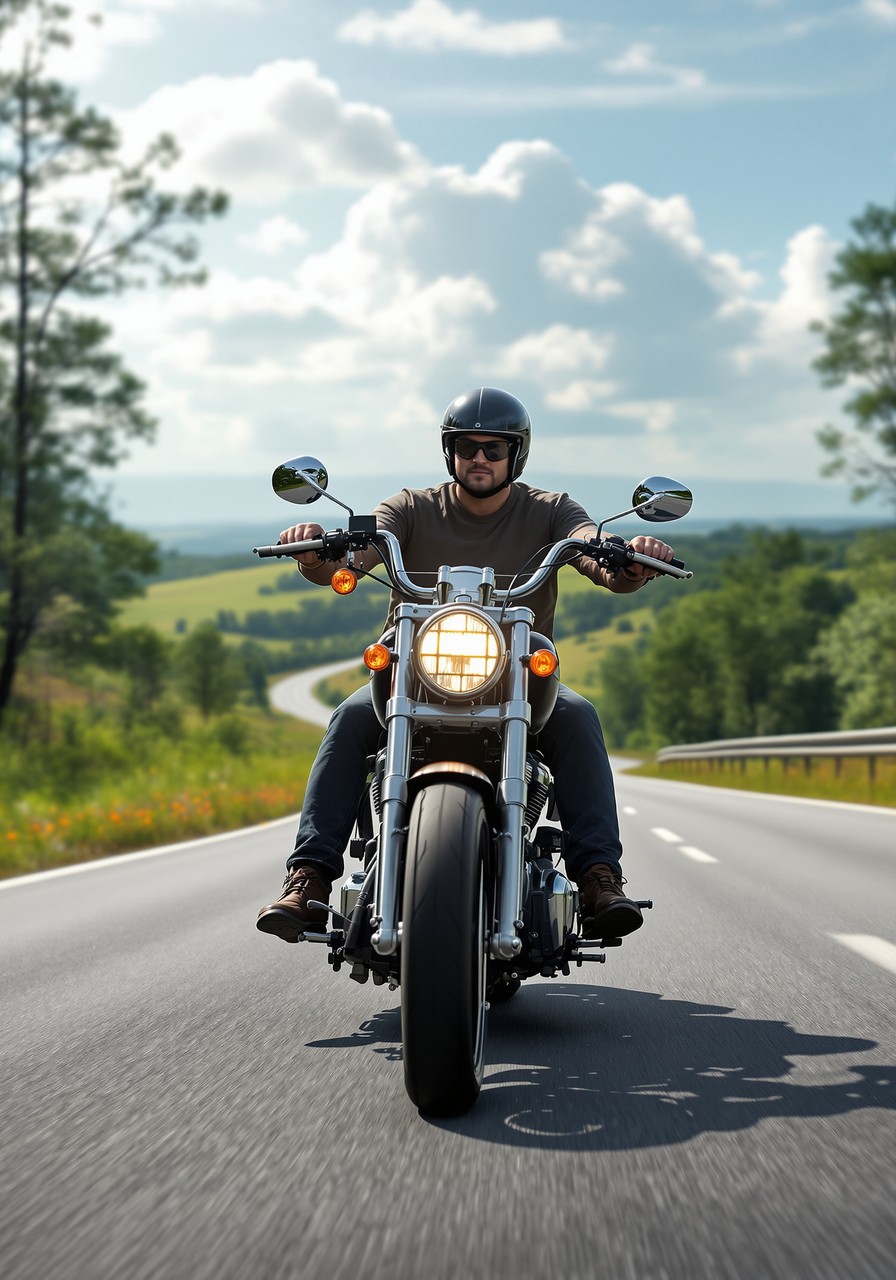
Beat the Central Florida heat by rolling out at sunrise. Cooler air, calmer traffic, and the whole day still ahead of you. #RideNationOrlando #OrlandoRiders #CentralFlorida
Gear & New Iron
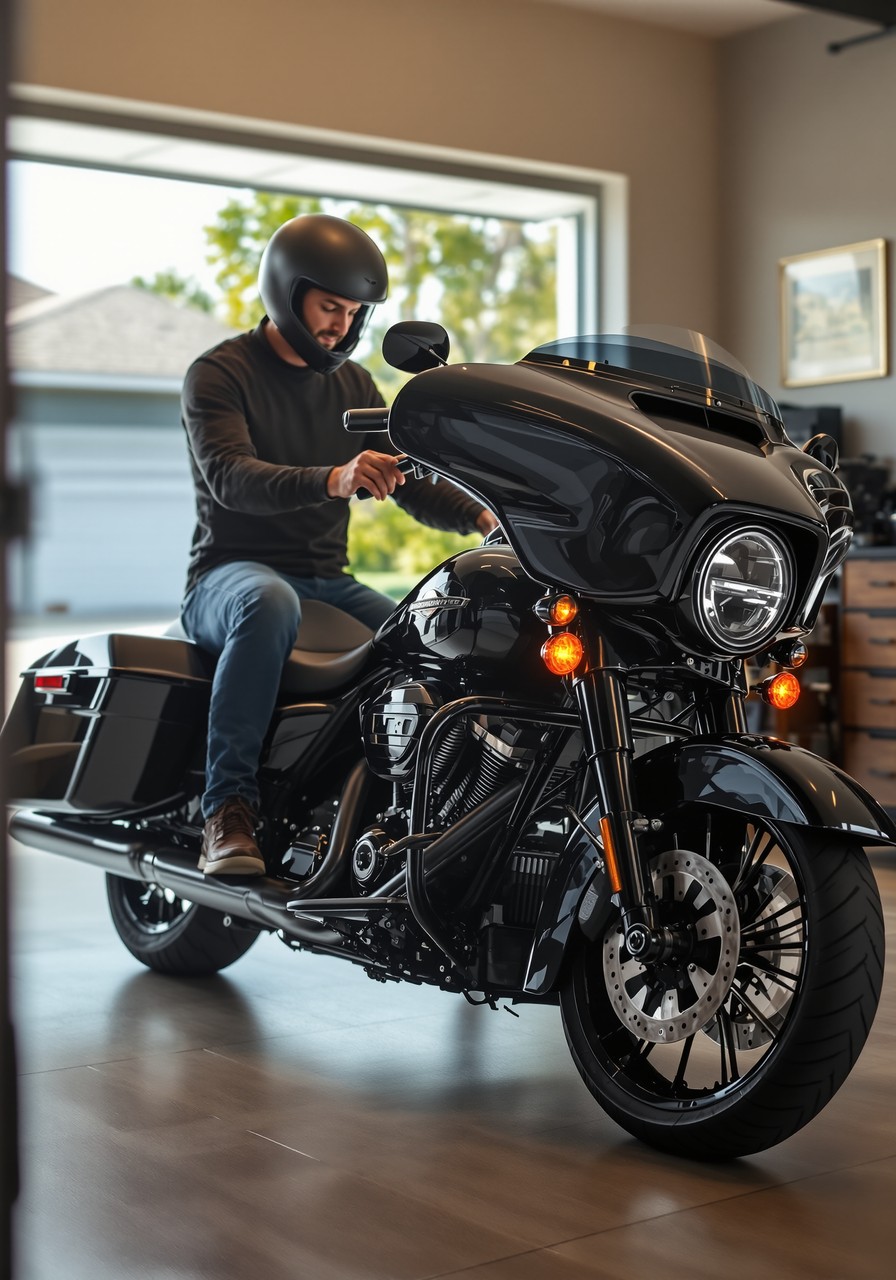
Afternoon storm season means rain gear lives under your seat, not at home. Getting caught on I-4 in a downpour with nothing on is a miserable, dangerous ride. #RideNationOrlando #RiderTips #FloridaHeat
Safety & FL Law
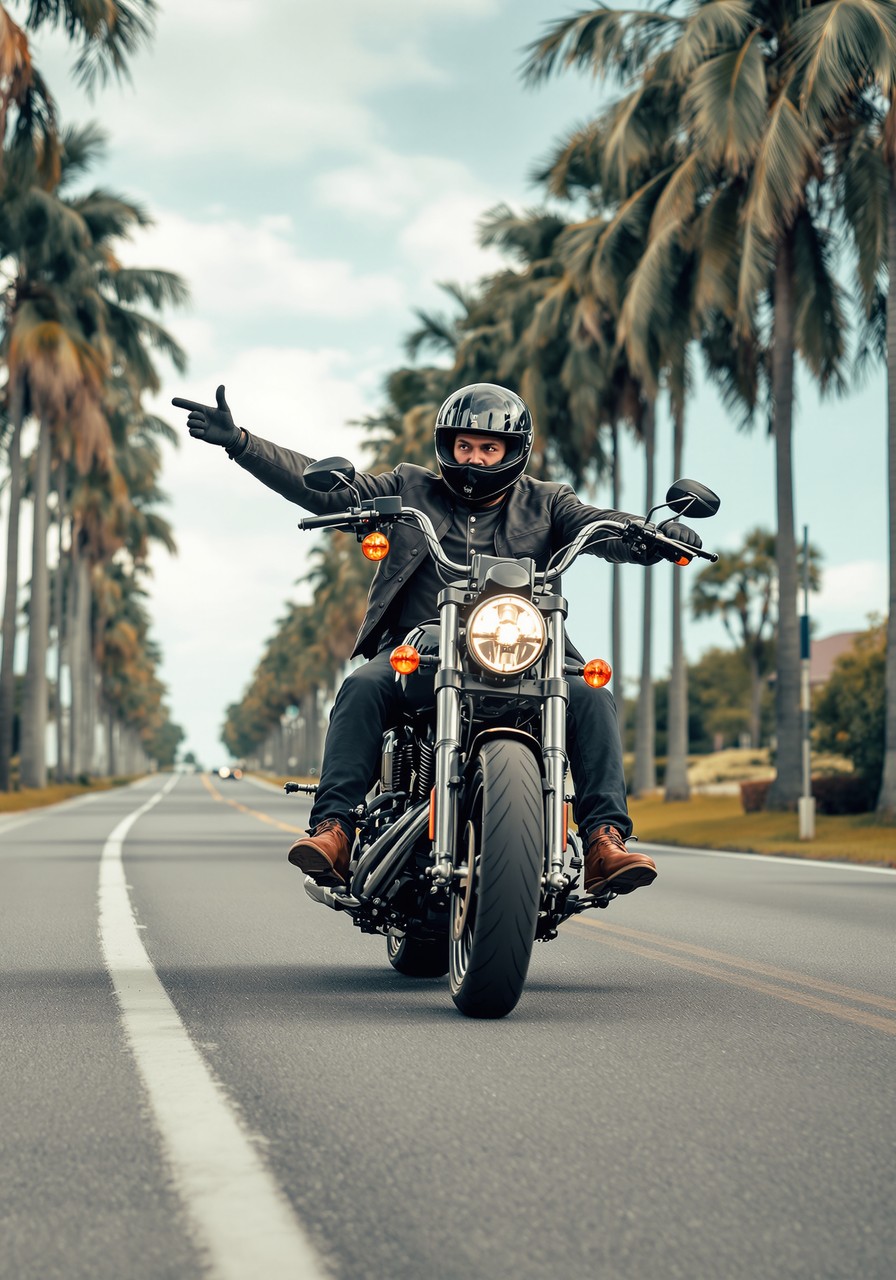
Be seen or be sorry. Bright gear, working lights and lane position that keeps you out of blind spots save lives on Orlando roads. Ride your own ride. Questions? Moe DeWitt, 407-245-7723. #RideNationOrlando #RiderSafety #ATGATT
Engagement
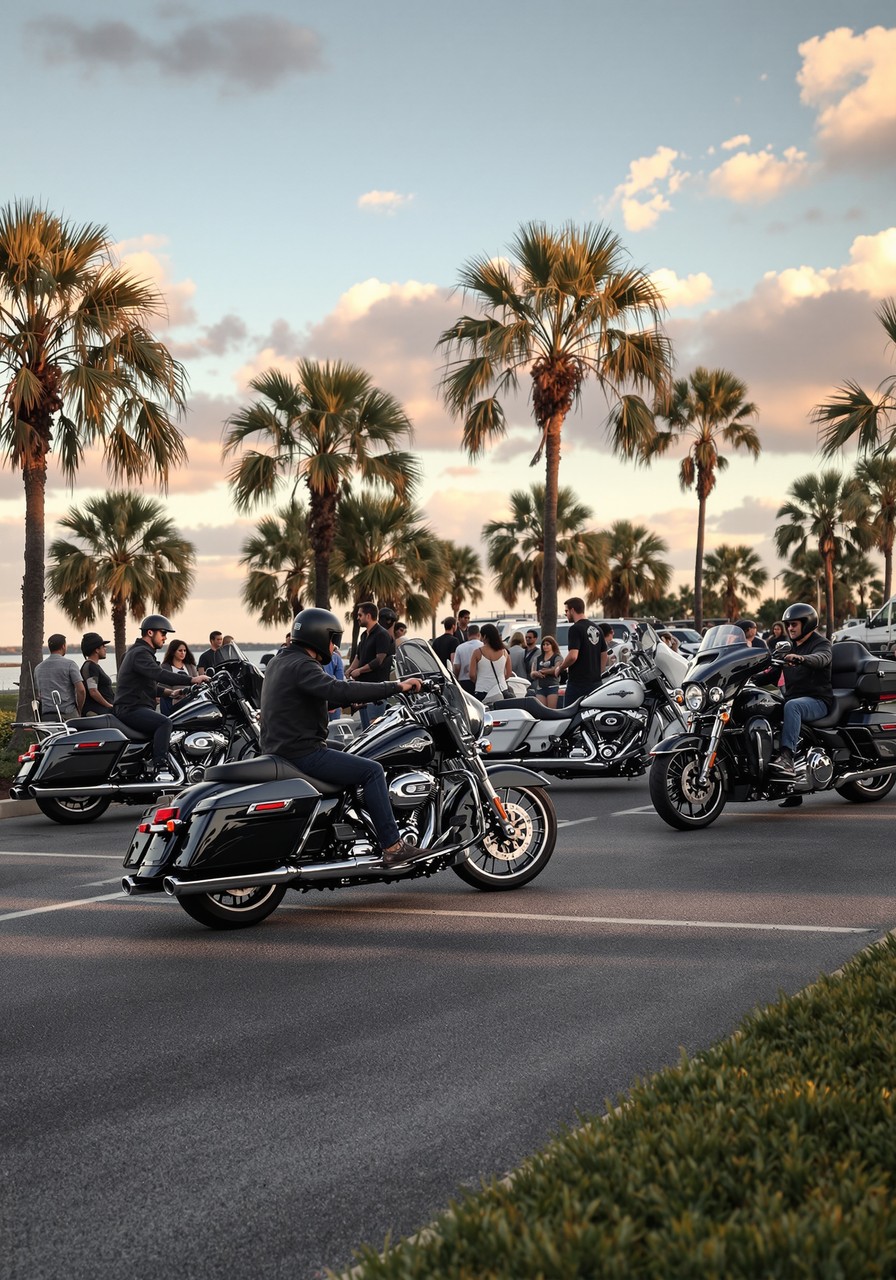
Name your dream bike if money was no object. No wrong answers, only wish lists. #RideNationOrlando #BikerLife #FloridaRiders
Giveaway & Countdown
Missed this round? Do not sweat it. Stay in the community and stay ready, because the next BikersWin giveaway is already in the works. Questions after a wreck? DeWitt Law Firm, 407-245-7723. #RideNationOrlando #MotorcycleGiveaway #CentralFlorida
Local FL & Rides
New to Ride Nation Orlando? Roll up to the next bike night, find a wheel, and learn the local roads from folks who ride them daily. #RideNationOrlando #OrlandoRiders #CentralFlorida
Gear & New Iron
Pack the rain gear even on a blue sky morning. Central Florida summer storms roll in by 3pm like clockwork. #RideNationOrlando #RiderTips #FloridaHeat
Safety & FL Law
All the gear, all the time. Florida heat tempts you to ride in a t-shirt, but road rash does not care how hot it was. Gear up every ride. Hurt anyway? DeWitt Law Firm, 407-245-7723. #RideNationOrlando #ATGATT #RiderSafety
Engagement
This or that: throttle blip at every stop sign or quiet and smooth. Which rider are you? #RideNationOrlando #TwoWheels #OrlandoRiders
Giveaway & Countdown
The $20,000 draw is done, but the road keeps going. Keep an eye on Ride Nation Orlando for what comes next. #RideNationOrlando #OrlandoRiders #WinABike
Local FL & Rides
Fall finally knocked the humidity down. This is the sweet spot for long Lake County loops before snowbird traffic fills the roads. #RideNationOrlando #LakeCounty #CentralFlorida
Gear & New Iron
Wet Florida roads are slickest in the first ten minutes of rain when oil floats up. Ease off the brakes and give yourself room. #RideNationOrlando #RiderTips #FloridaHeat
Safety & FL Law
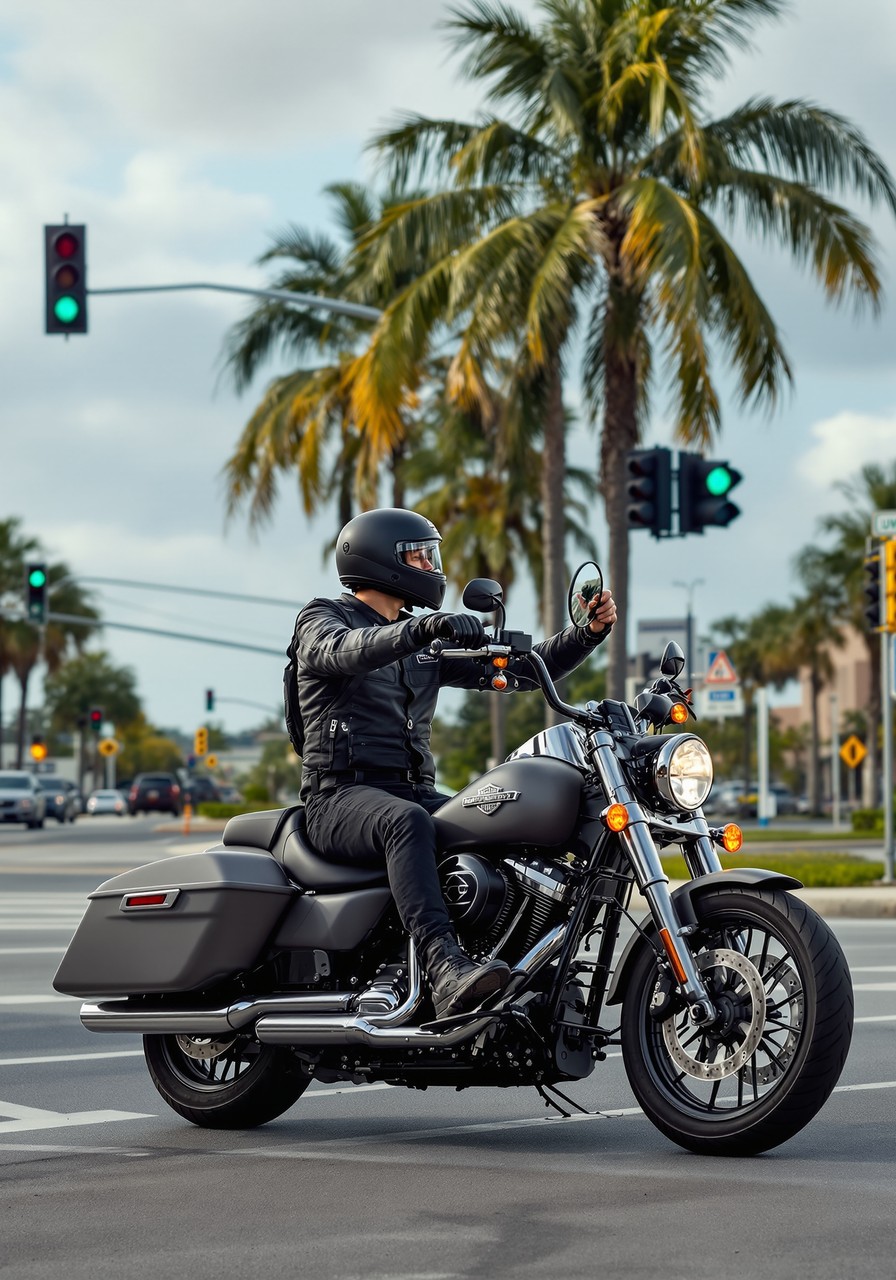
Quick Florida gut check: do you carry UM/UIM? Since PIP does nothing for riders, that coverage is what stands between you and the bills. Not sure? Moe DeWitt will explain it free, 407-245-7723. #RideNationOrlando #UninsuredMotorist #KnowYourRights
Engagement
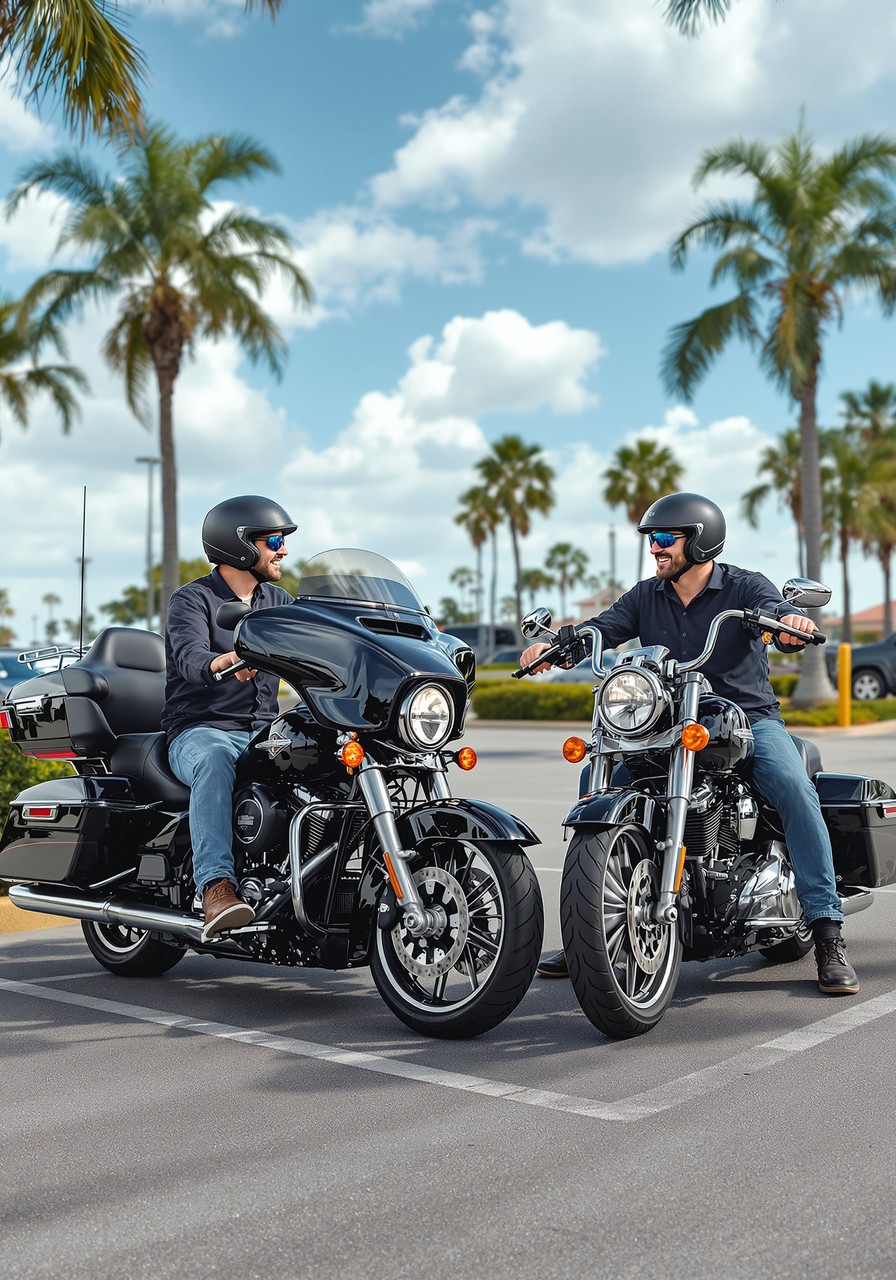
Caption this: the parking lot huddle that was supposed to be five minutes and became forty. #RideNationOrlando #RideOrDie #CentralFlorida
Giveaway & Countdown
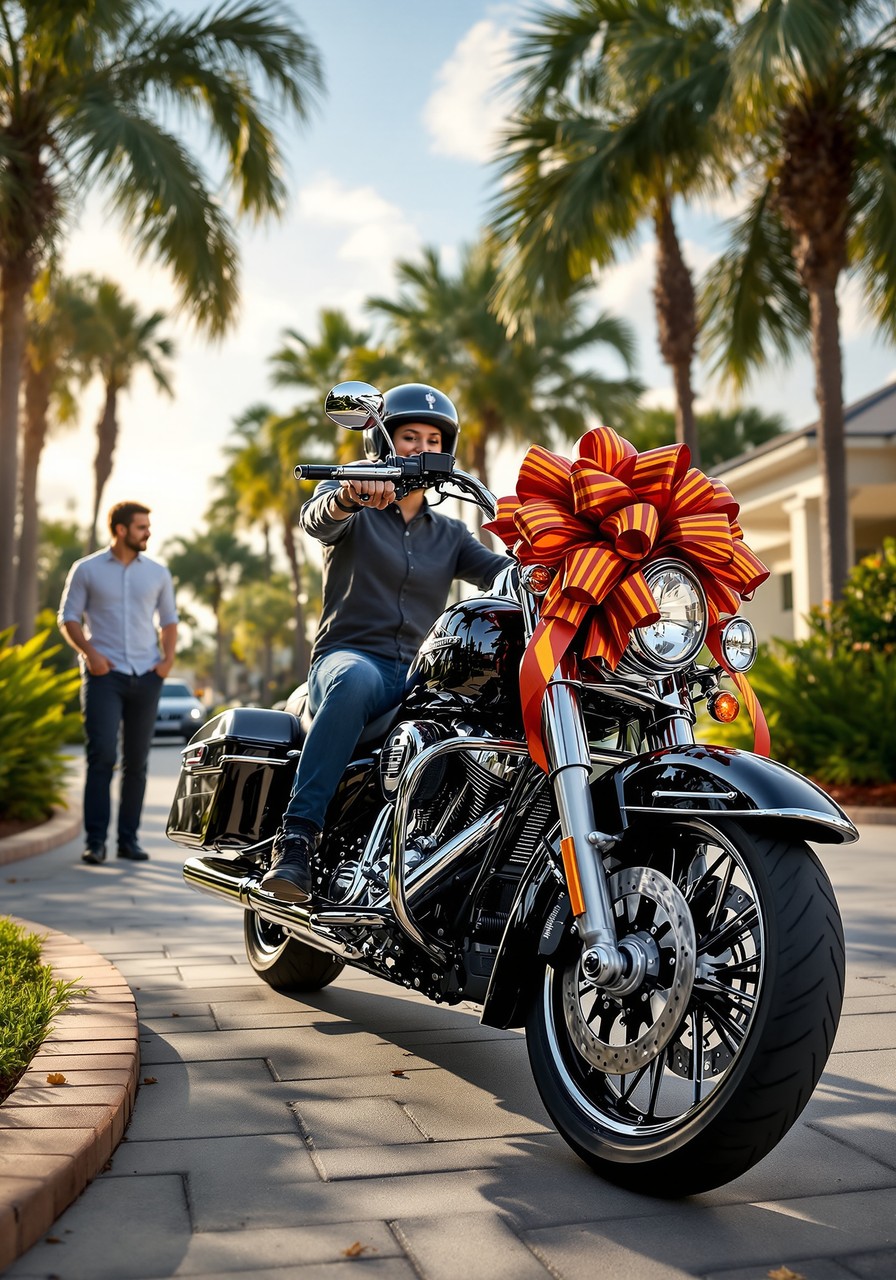
New year, same energy. If you rode with us on the last giveaway, stay entered in the community for the next one. Link details coming soon. #RideNationOrlando #BikersWin #CentralFlorida
Local FL & Rides
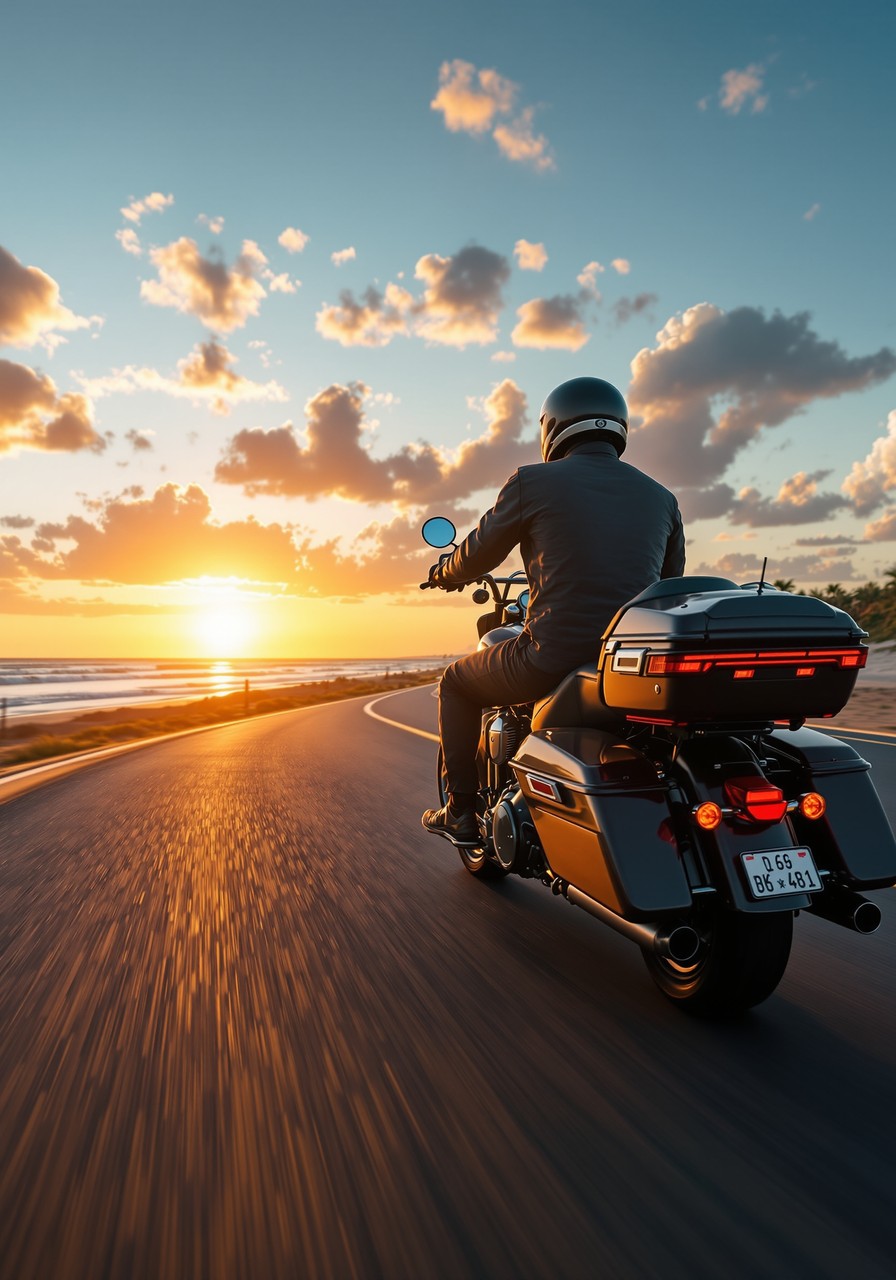
When we roll deep, stagger your formation and leave a full gap. Nothing kills a good group ride faster than tailgating your buddies. #RideNationOrlando #OrlandoRiders #MotorcycleRoads
Gear & New Iron
Rust is the tax on riding in humid Central Florida. Wipe your bike down after wet rides and hit bare bolts with a little corrosion spray. #RideNationOrlando #MotorcycleMaintenance #FloridaHeat
Safety & FL Law
Two Florida facts every rider should know together: no PIP for you, and no law forcing the other driver to carry injury coverage. UM/UIM covers both gaps. Questions? DeWitt Law Firm, 407-245-7723. #RideNationOrlando #FloridaLaw #UninsuredMotorist
Engagement
Poll: best month to ride in Central Florida. December, January, or February. Snowbird season, go. #RideNationOrlando #FloridaRiders #CentralFlorida
Giveaway & Countdown
Imagine kicking off the season on a bike you won. That story is not over. More giveaways ahead for Ride Nation riders. #RideNationOrlando #MotorcycleGiveaway #OrlandoRiders
Local FL & Rides
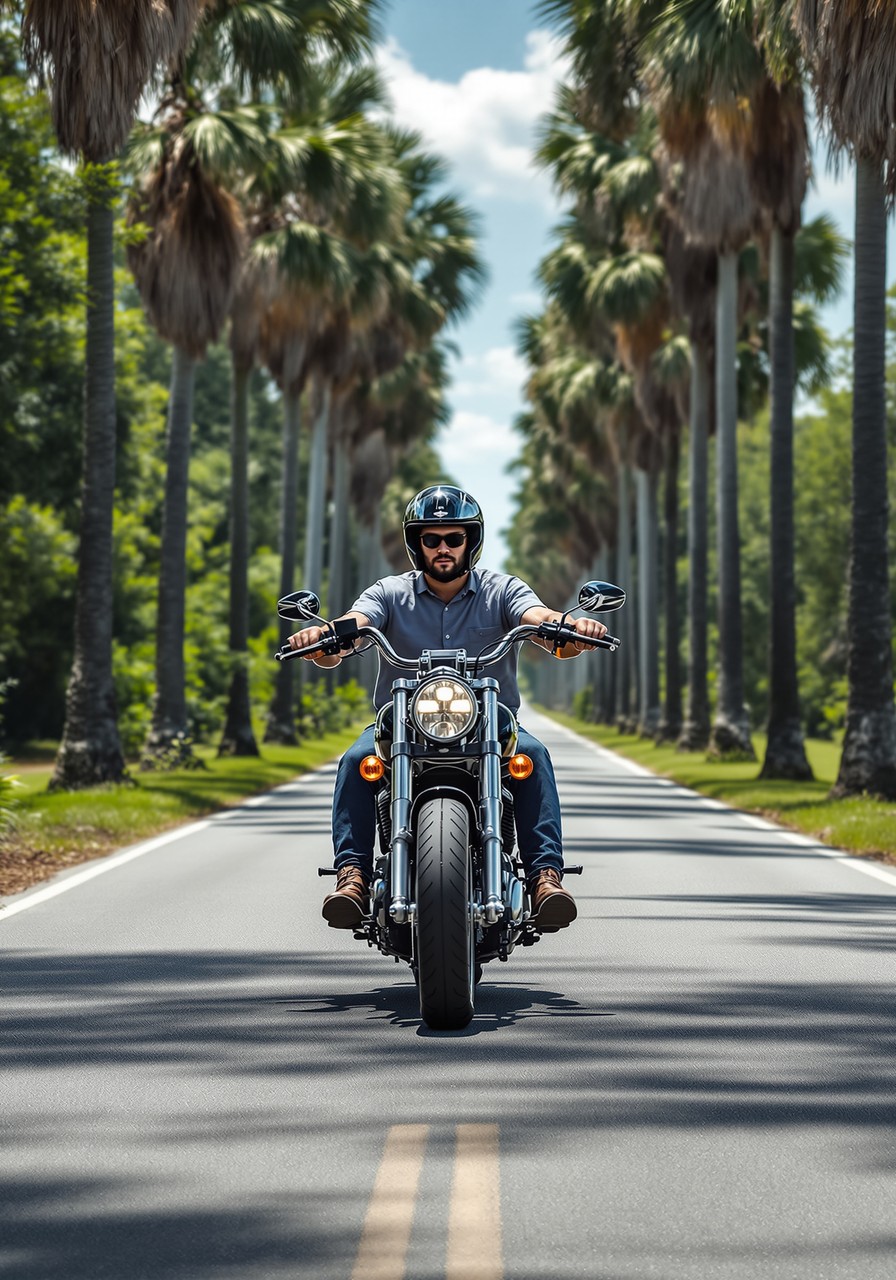
Cooler mornings mean cold tires. Give them a few miles to warm before you lean hard into the Clermont hills. #RideNationOrlando #Clermont #MotorcycleRoads
Gear & New Iron
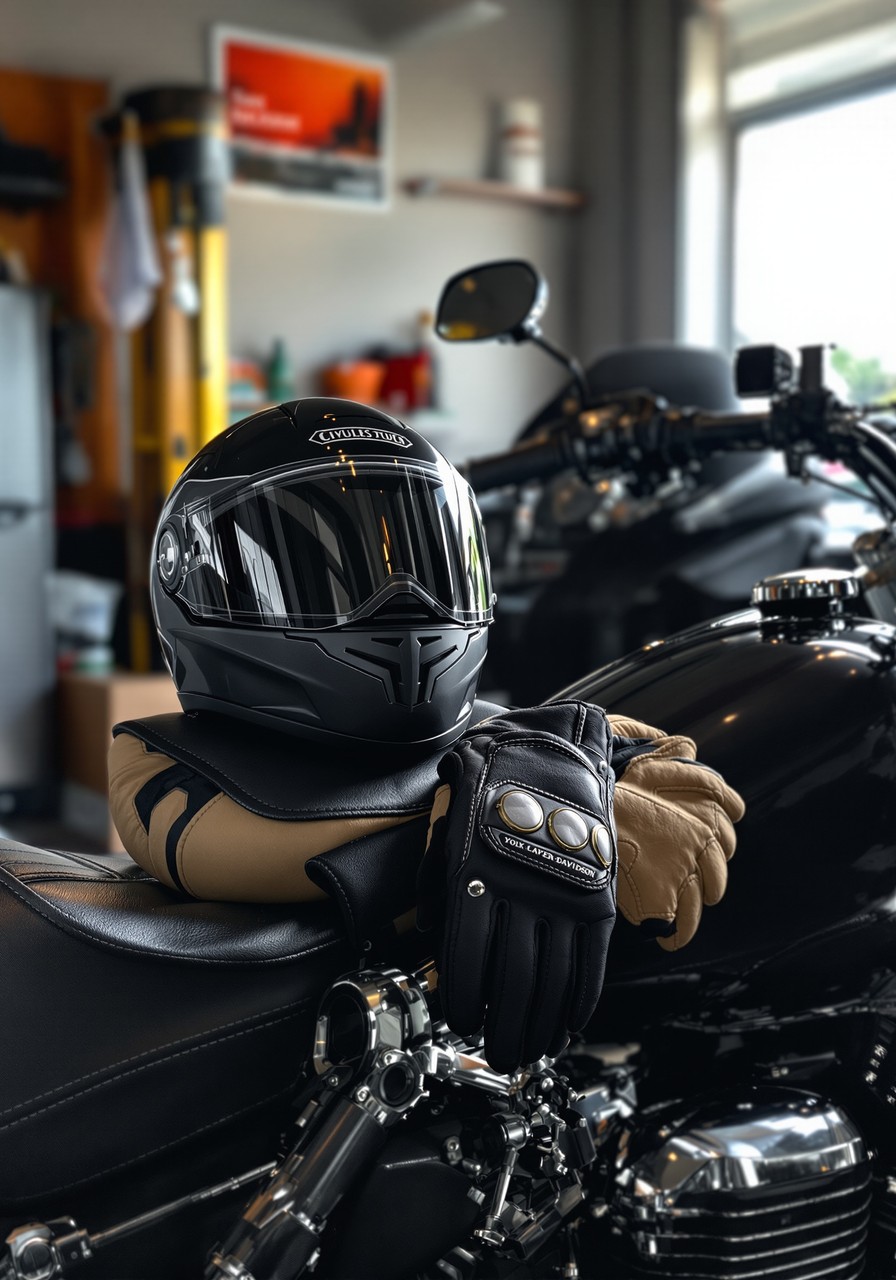
Store the bike sweating from a ride in a closed humid garage and you invite surface rust. Let it cool and dry before you cover it. #RideNationOrlando #MotorcycleMaintenance #RiderTips
Safety & FL Law
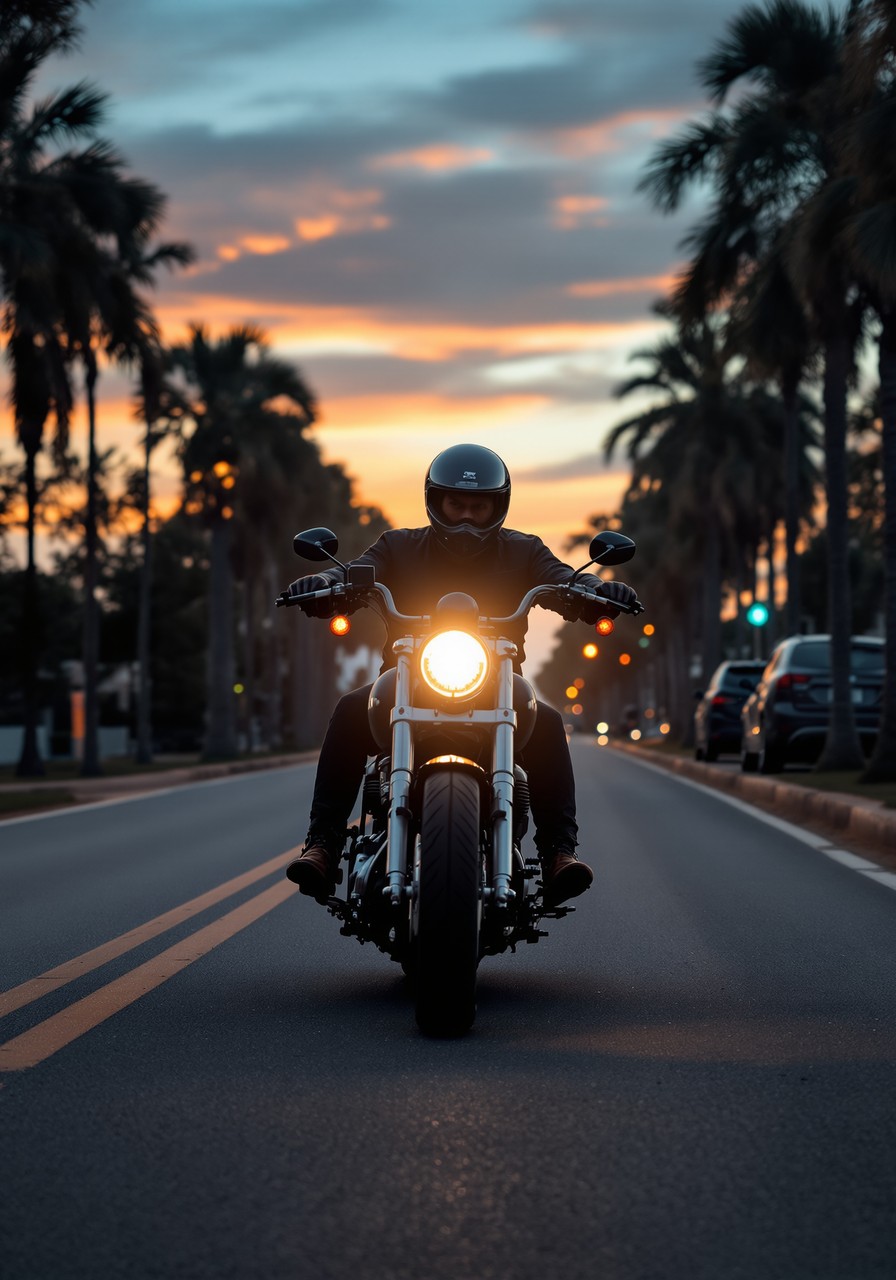
Fault in Florida is not all or nothing anymore, but cross 51 percent and it becomes nothing. Ride defensively and document what happens. Hurt in a wreck? Moe DeWitt, 407-245-7723. #RideNationOrlando #FloridaLaw #RiderSafety
Engagement
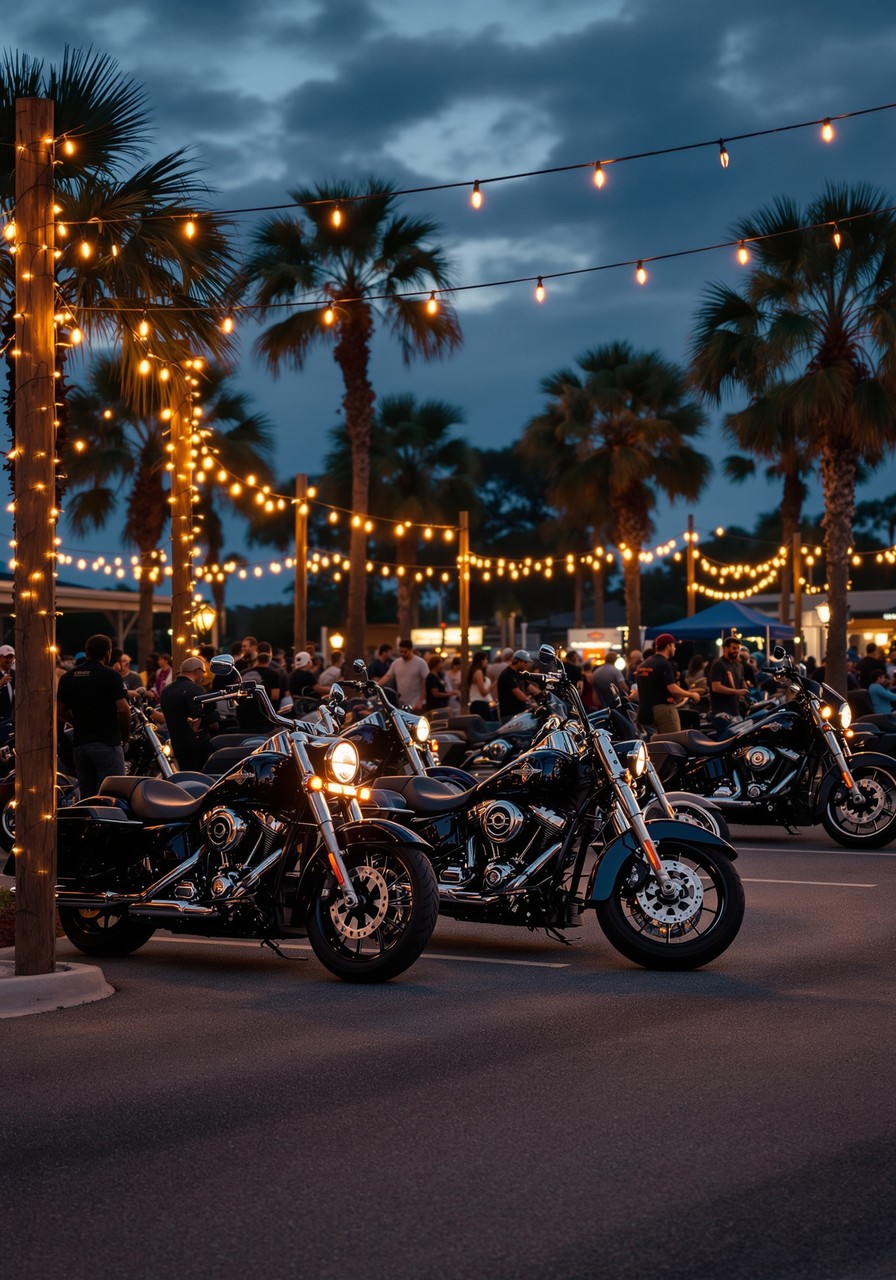
Tag the newest rider in your circle and drop them one piece of advice for their first season. #RideNationOrlando #OrlandoRiders #RideOrDie
Giveaway & Countdown
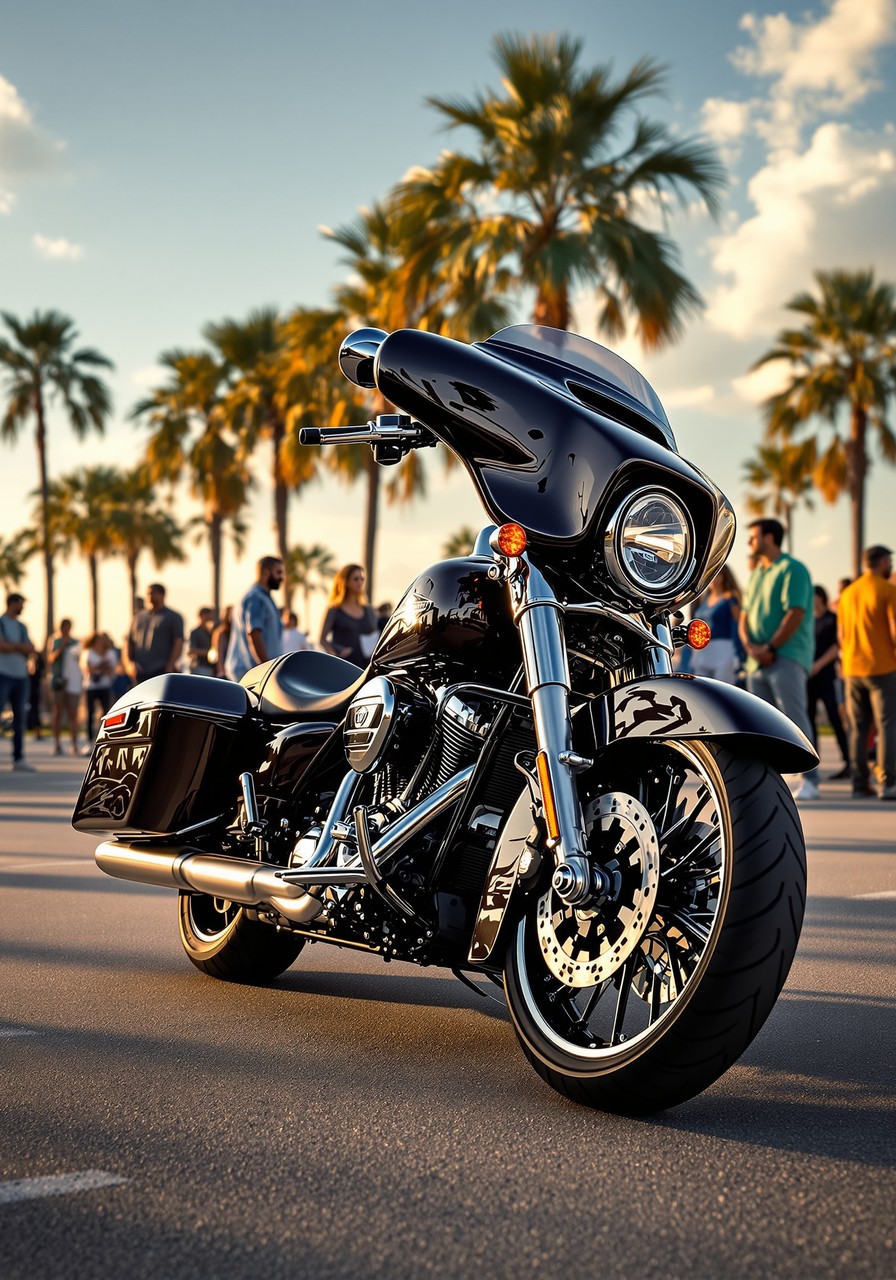
Tag a rider who is not in the community yet. When the next giveaway drops, they will want to be here. Questions after a wreck? DeWitt Law Firm, 407-245-7723. #RideNationOrlando #WinABike #CentralFlorida
Local FL & Rides
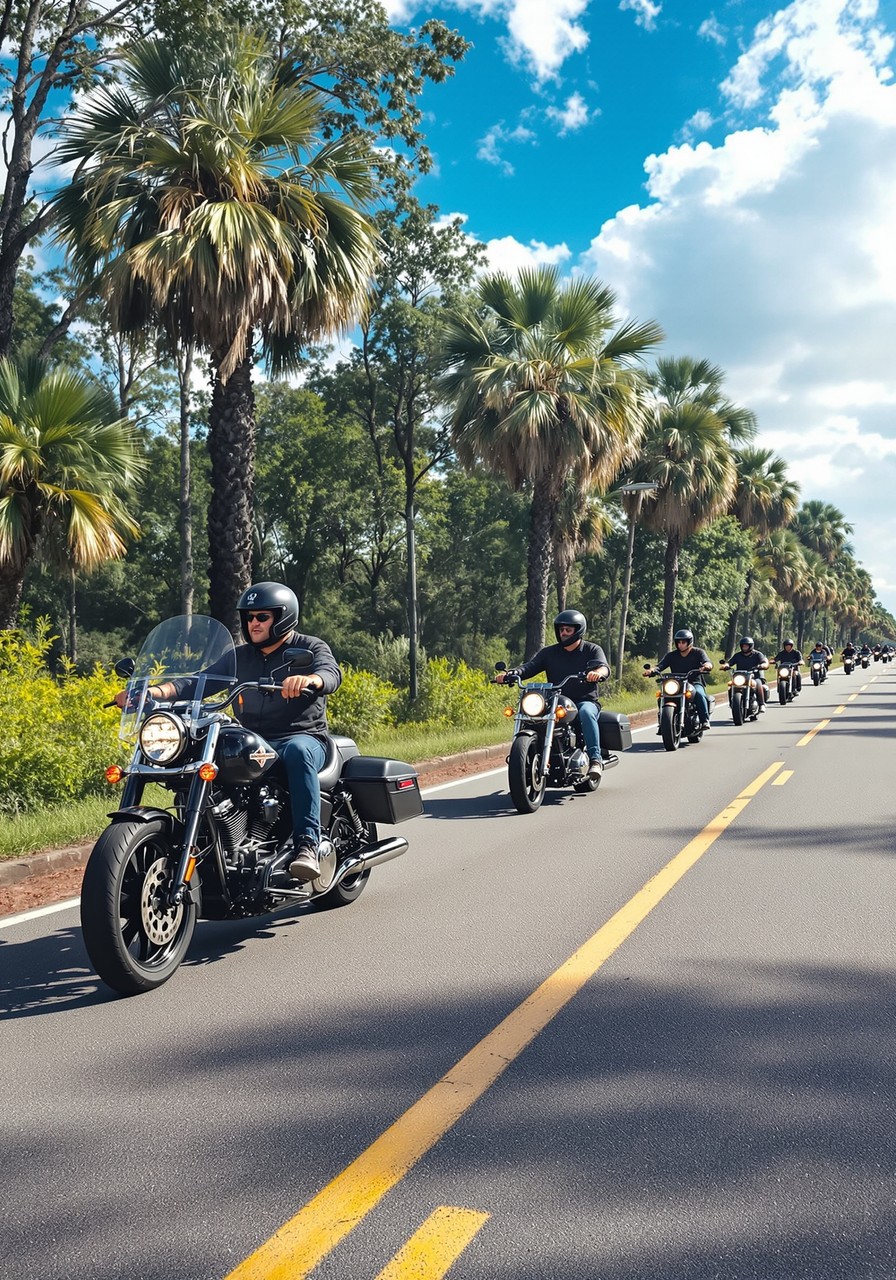
Coming down off Sugarloaf, watch the shaded downhill curves for sand and loose gravel. Let the bike settle before you point it home. #RideNationOrlando #Clermont #MountDora
Gear & New Iron
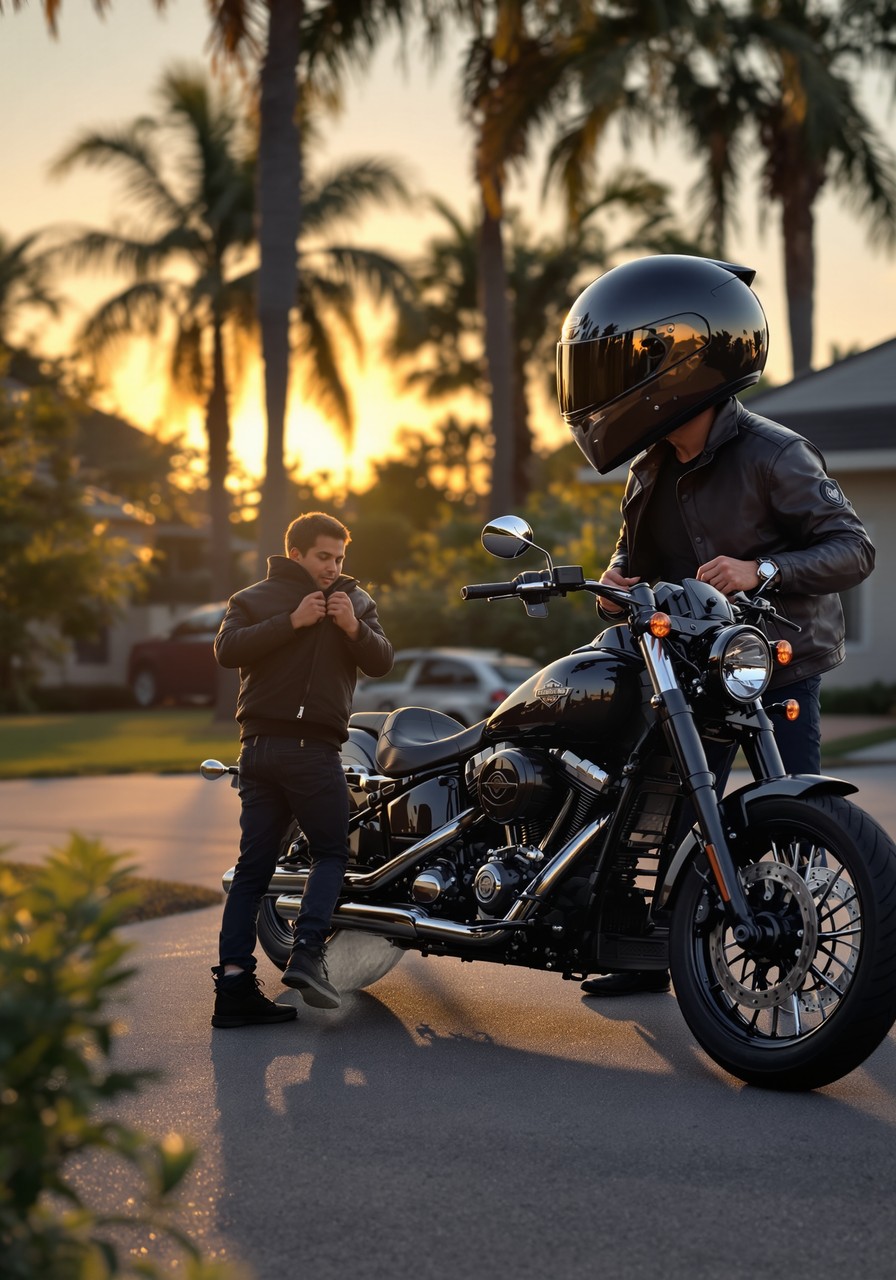
Fogging visor in Florida humidity is a real hazard. A pinlock insert or anti fog spray keeps your view clear when the air is thick. #RideNationOrlando #GearUp #FloridaHeat
Safety & FL Law
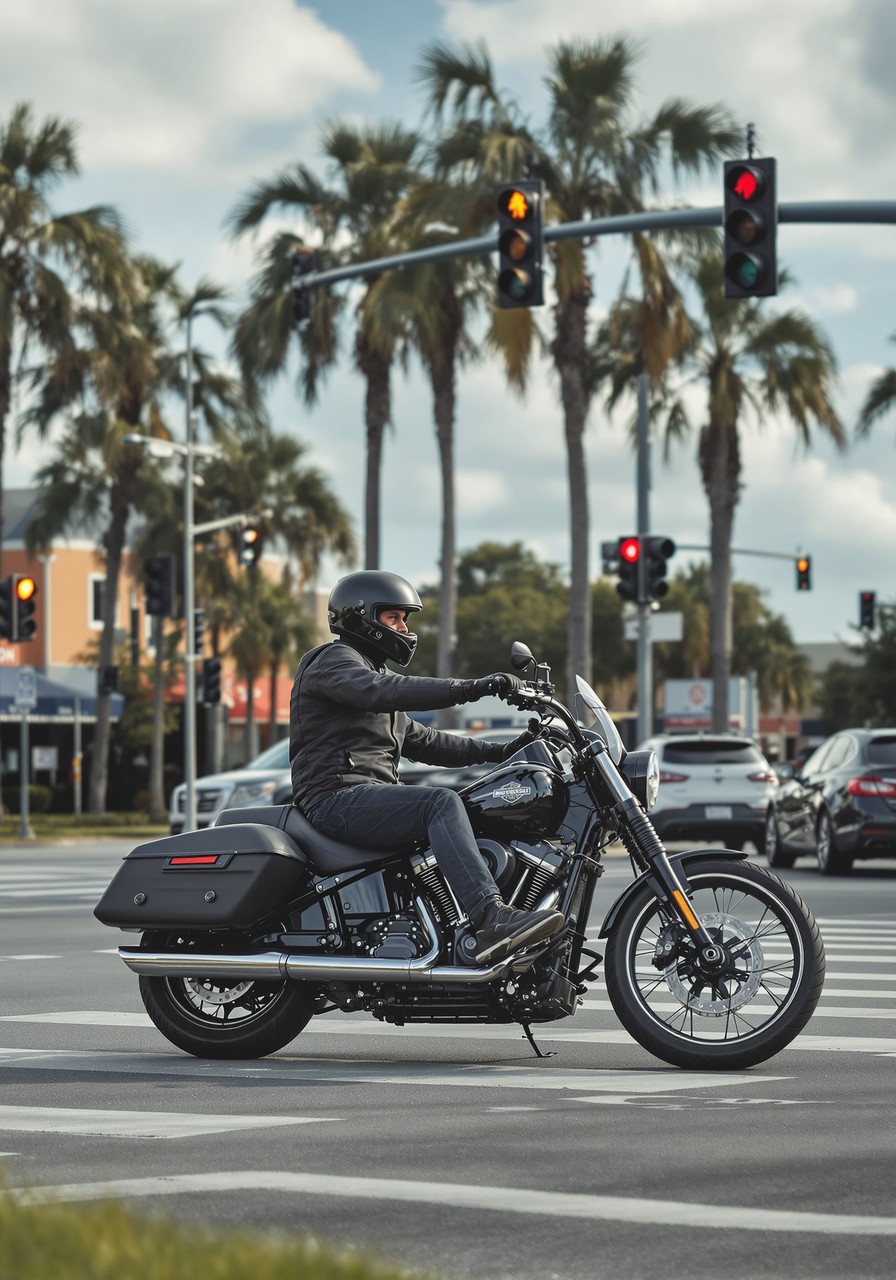
After a crash in Florida, get the report, get photos, get names of witnesses. With the 51 percent bar in play, the record can decide everything. Need a hand? DeWitt Law Firm, 407-245-7723. #RideNationOrlando #KnowYourRights #FloridaLaw
Engagement
Fill in the blank: I will ride in any weather except ______. Everybody has a line. #RideNationOrlando #BikerLife #FloridaRiders
Giveaway & Countdown
We love this crew. Thanks for making the $20,000 giveaway a great one. Stick around, the next chance to win is coming. #RideNationOrlando #BikersWin #OrlandoRiders
Local FL & Rides
Time a Space Coast ride around a launch window and you get an open highway plus a rocket overhead. Only in Central Florida. #RideNationOrlando #SpaceCoast #Florida
Gear & New Iron
Crack your visor at stoplights when it fogs, but fix the cause with a pinlock. Riding half blind because you cannot see through the shield is not worth it. #RideNationOrlando #GearUp #RiderTips
Safety & FL Law
Florida clock is ticking: two years to file an injury claim, and health coverage matters more since PIP skips riders entirely. Know both. Questions? Moe DeWitt, no cost to talk, 407-245-7723. #RideNationOrlando #FloridaLaw #KnowYourRights
Engagement
This or that: pack light and just go or plan the whole route the night before. How do you roll? #RideNationOrlando #TwoWheels #CentralFlorida
Giveaway & Countdown
Winter riding season is here in Central Florida. Perfect time to be part of a community that gives real bikes away. More coming. #RideNationOrlando #MotorcycleGiveaway #CentralFlorida
Local FL & Rides
That first patch of shade after a storm is where the sand and water collect. Straighten up, ease off, then get back on it. #RideNationOrlando #CentralFlorida #MotorcycleRoads
Gear & New Iron
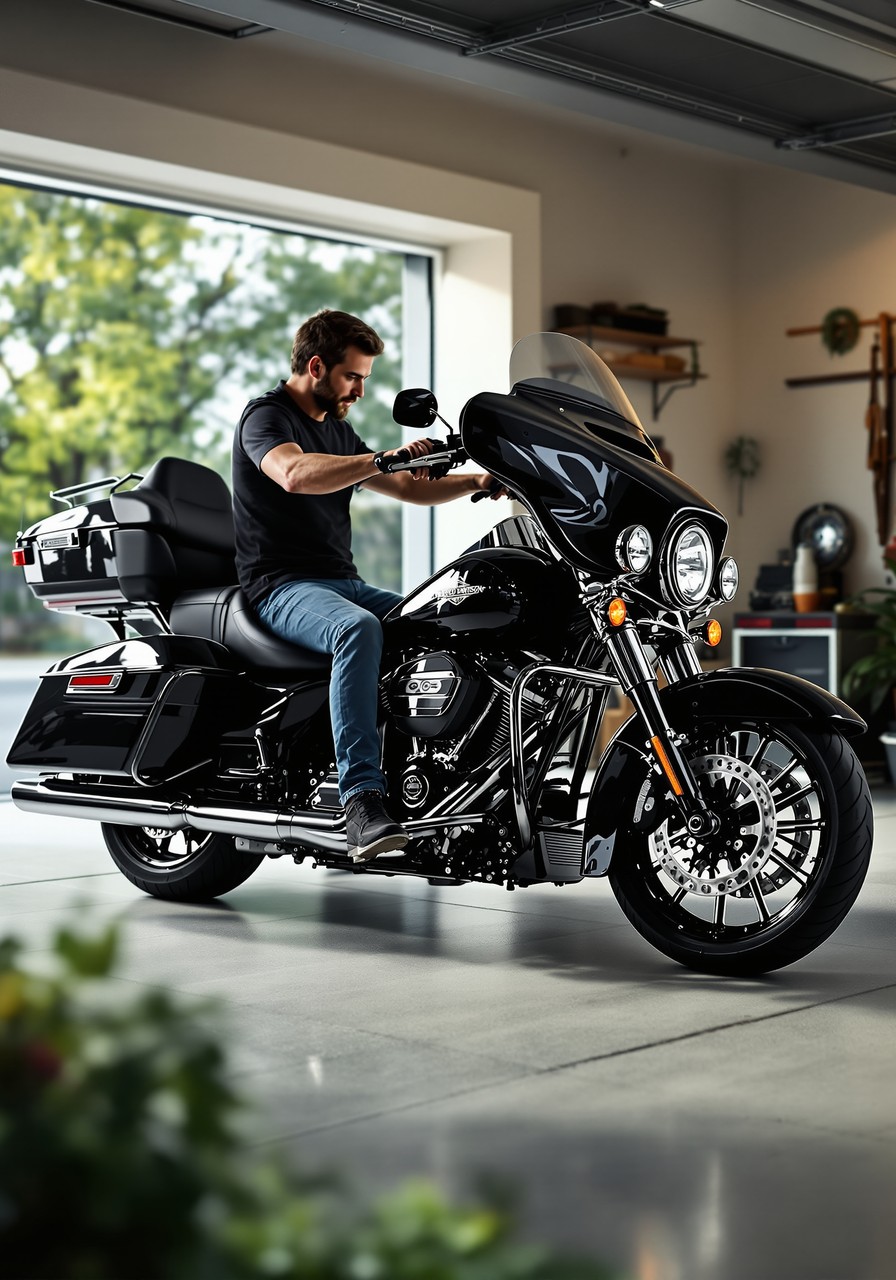
New iron talk: the latest middleweights are putting real power in lighter, easier to manage packages. Great for Orlando traffic and weekend backroads alike. #RideNationOrlando #NewIron #OrlandoRiders
Safety & FL Law
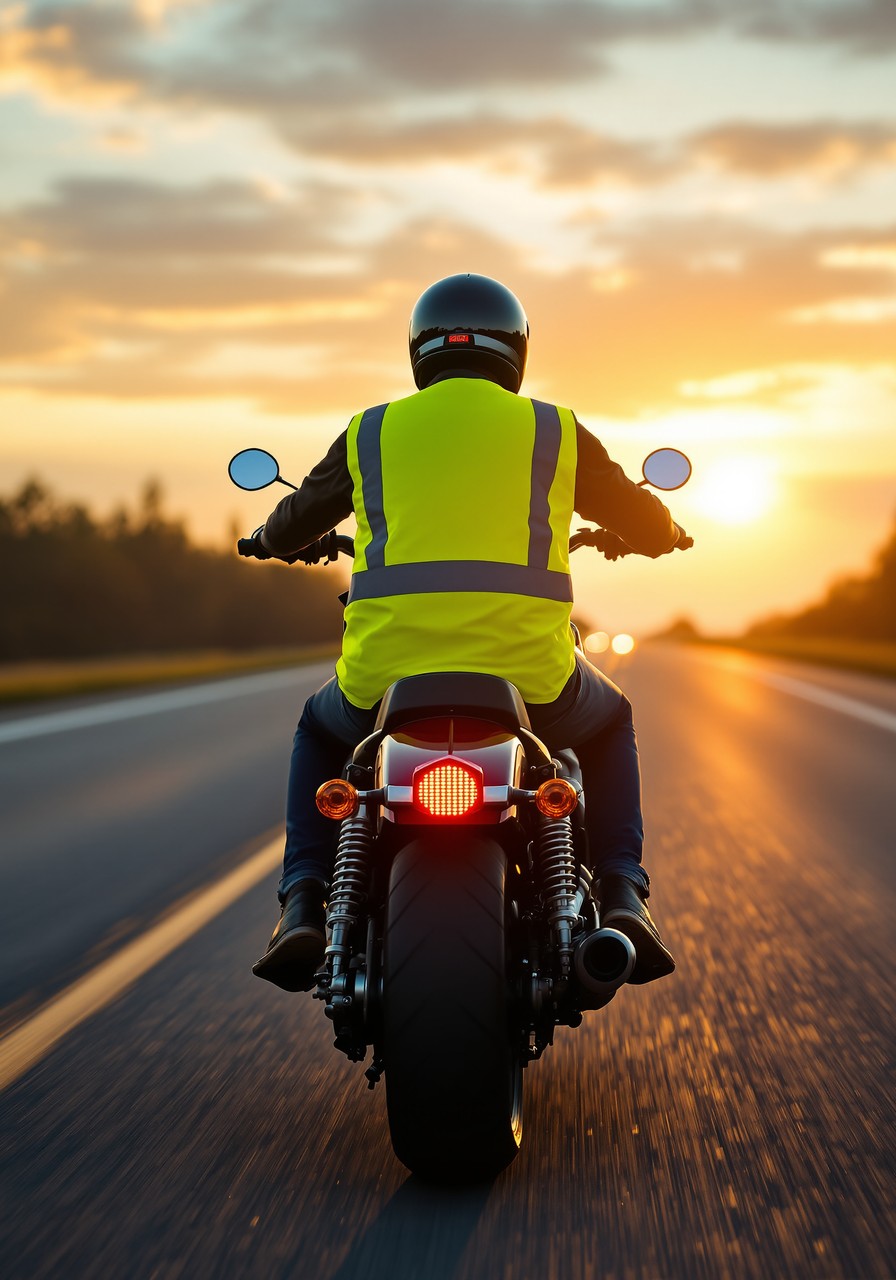
Snowbird and tourist season packs Central Florida roads with unfamiliar drivers. More cars, more distraction, more risk for riders. Leave yourself an out. Hurt out there? DeWitt Law Firm, 407-245-7723. #RideNationOrlando #OrlandoRiders #RiderSafety
Engagement
Name one road near Orlando you wish had zero traffic lights. We can dream together. #RideNationOrlando #OrlandoRiders #LakeCounty
Giveaway & Countdown
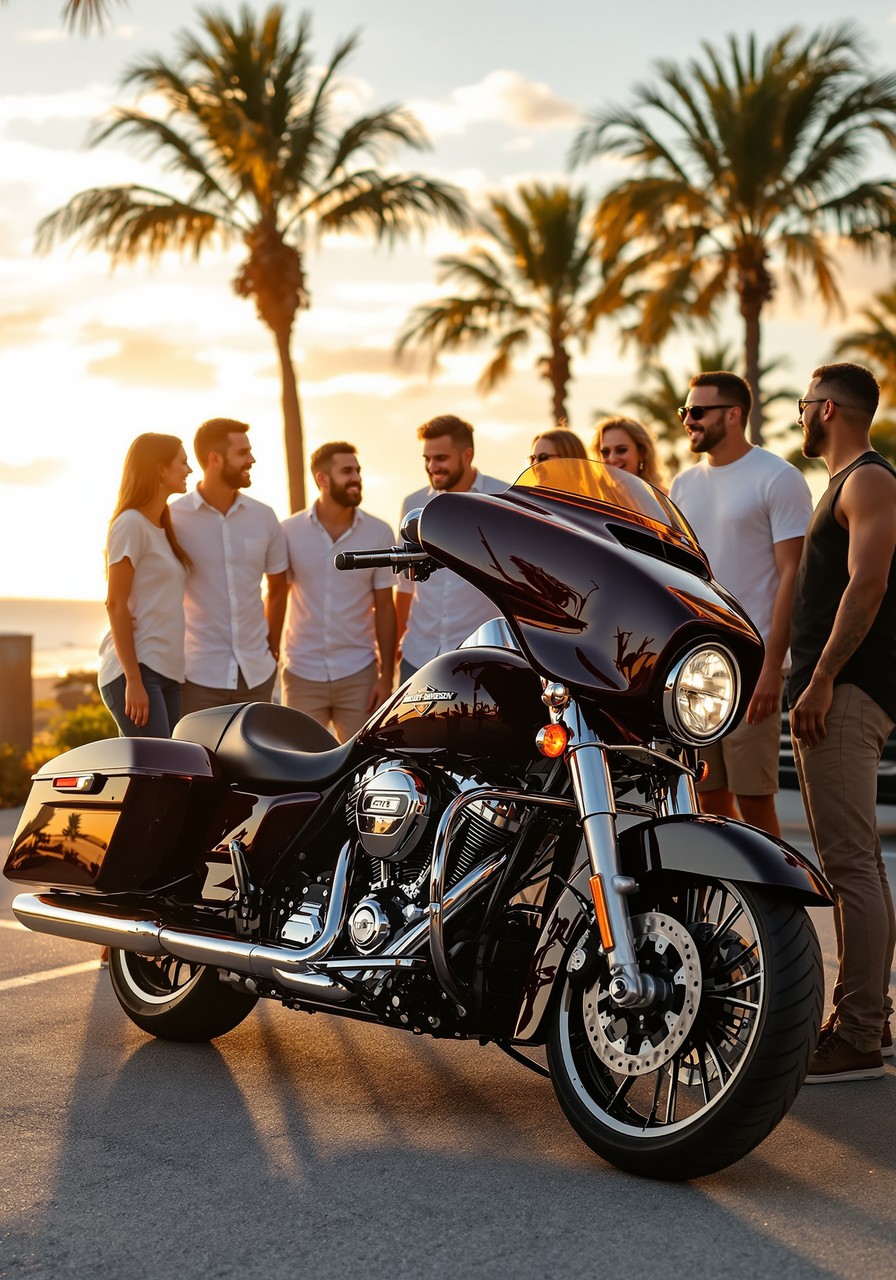
What would your next dream bike be? Keep it in mind, because Ride Nation Orlando is not done handing out giveaways. Questions after a wreck? DeWitt Law Firm, 407-245-7723. #RideNationOrlando #WinABike #OrlandoRiders
Local FL & Rides
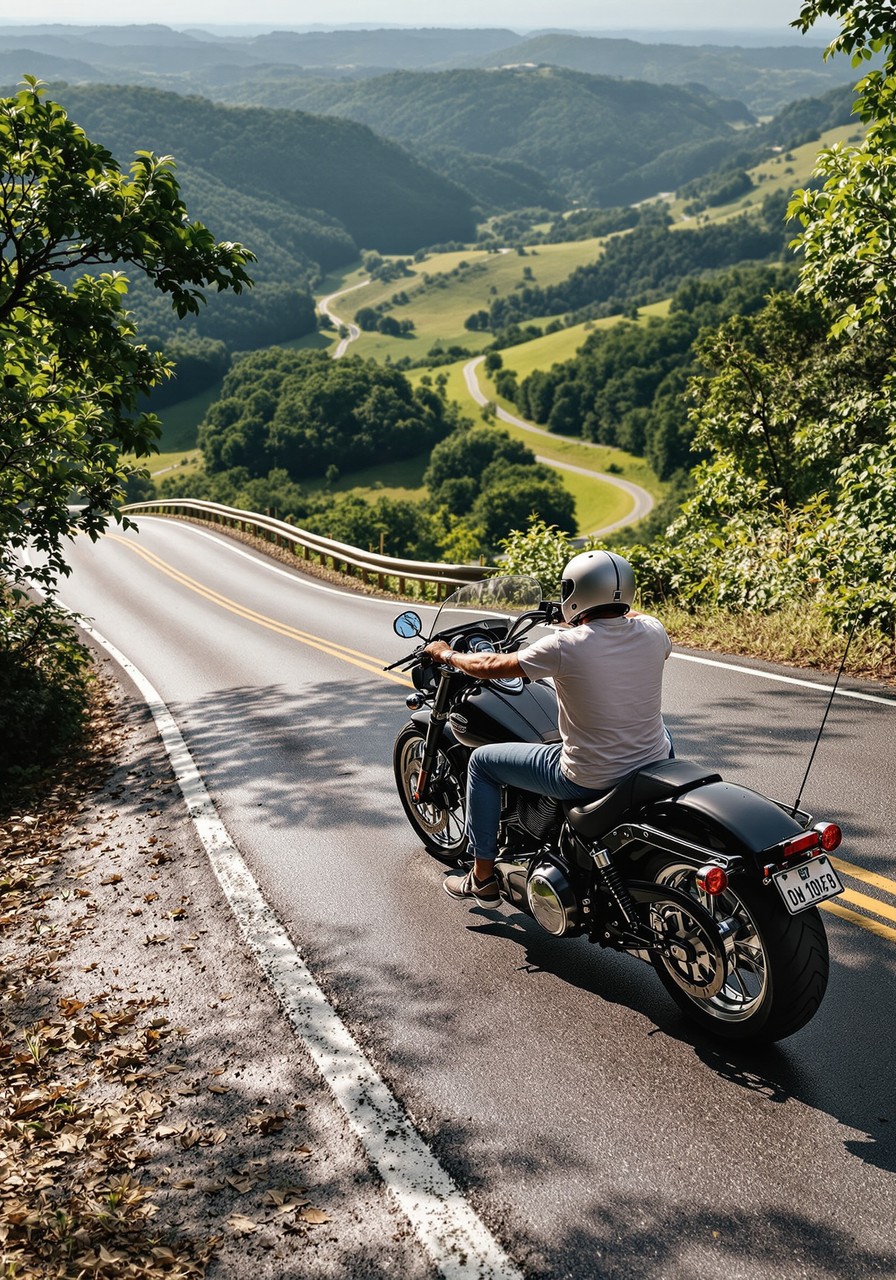
Chase the coast up A1A on the Daytona run and the ocean rides shotgun the whole way. Salt in the air, no rush to turn around. #RideNationOrlando #SpaceCoast #Florida
Gear & New Iron
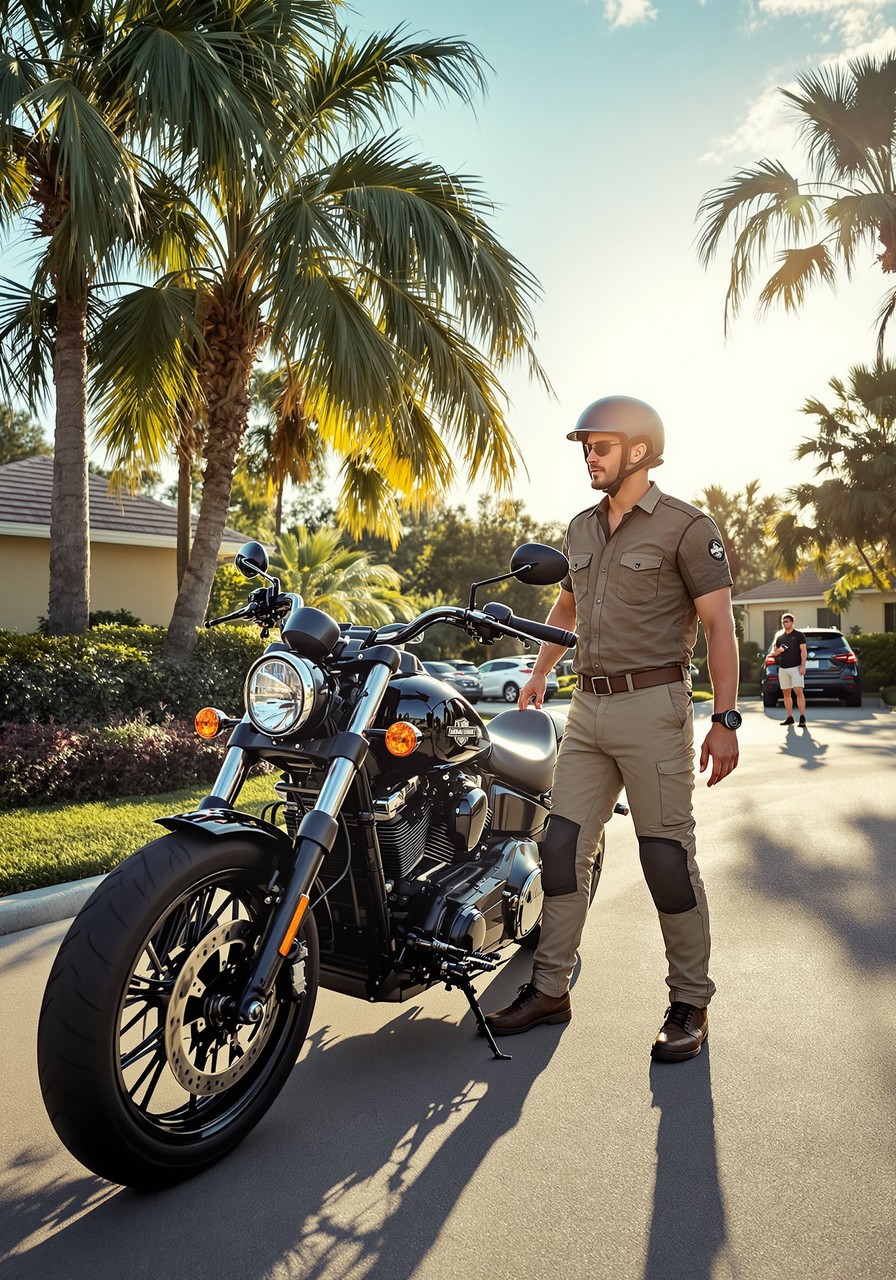
Shopping for new iron this season? Sit on it, reach the bars and the ground flat footed, and picture it in stop and go I-4 heat before you buy. #RideNationOrlando #NewIron #RiderTips
Safety & FL Law
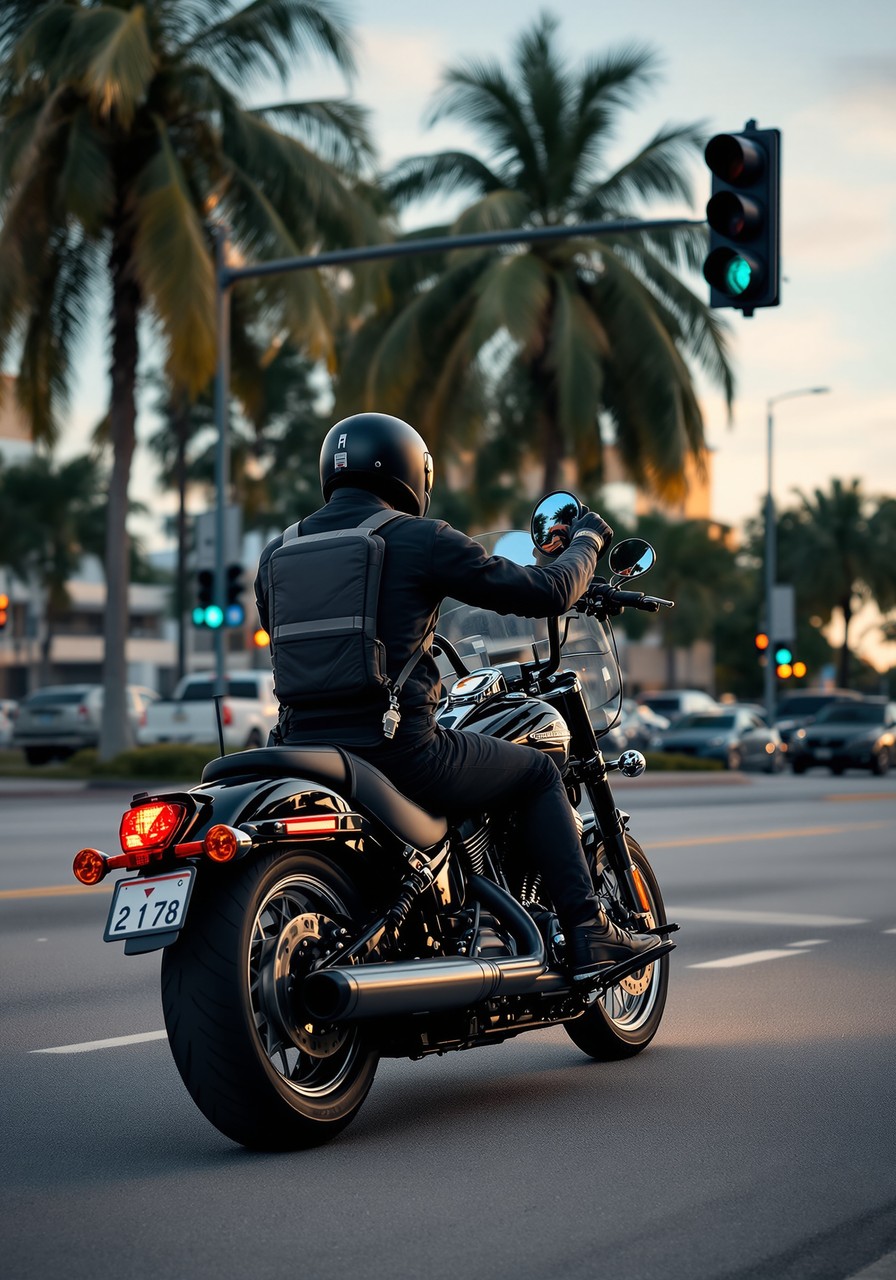
Simple habit that saves riders: never trust a driver to see you. Make eye contact, cover the brakes, keep an escape lane. Ride your own ride. Questions after a crash? Moe DeWitt, 407-245-7723. #RideNationOrlando #MotorcycleSafety #RiderSafety
Engagement
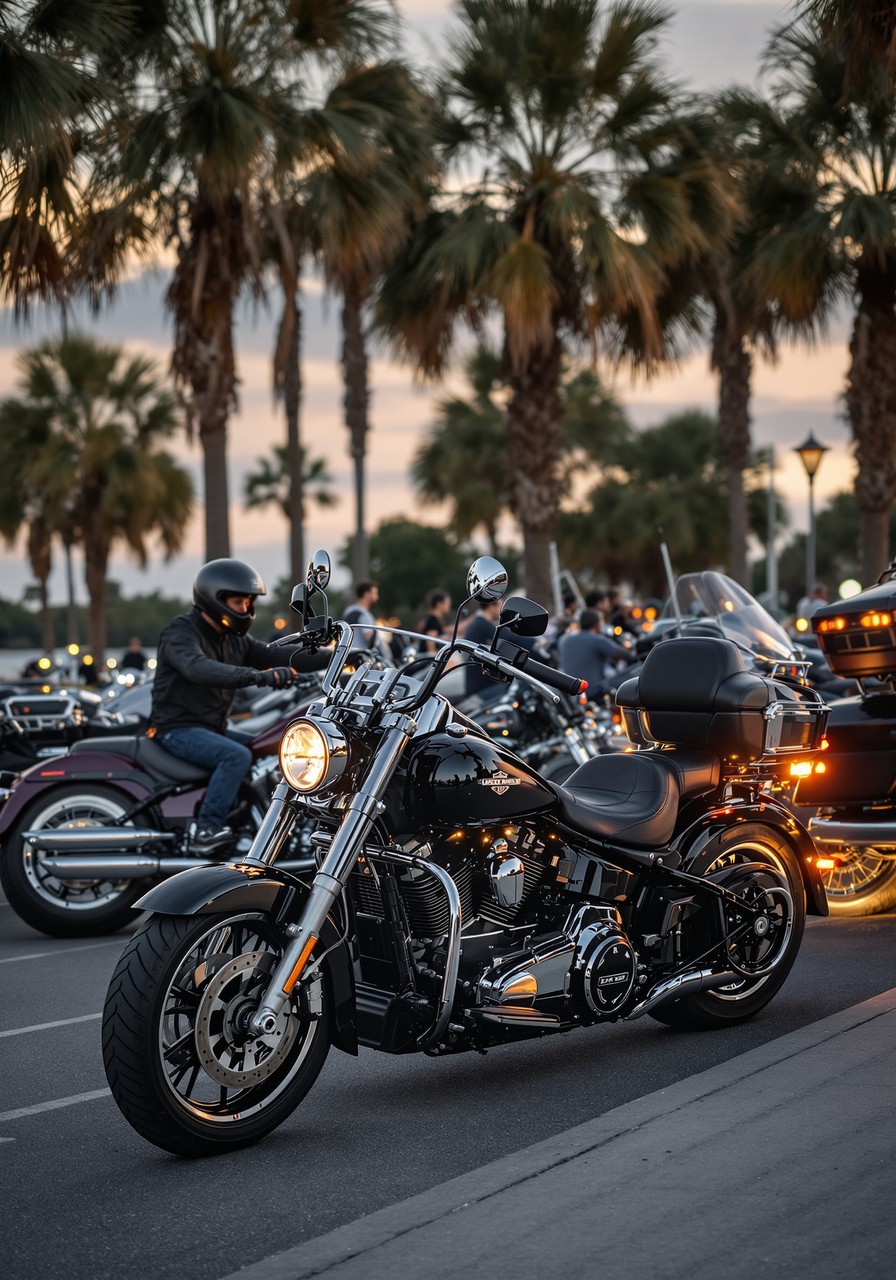
Caption this: that face you make when a fellow rider gives you the low wave on the highway. #RideNationOrlando #RideOrDie #BikerLife
Giveaway & Countdown
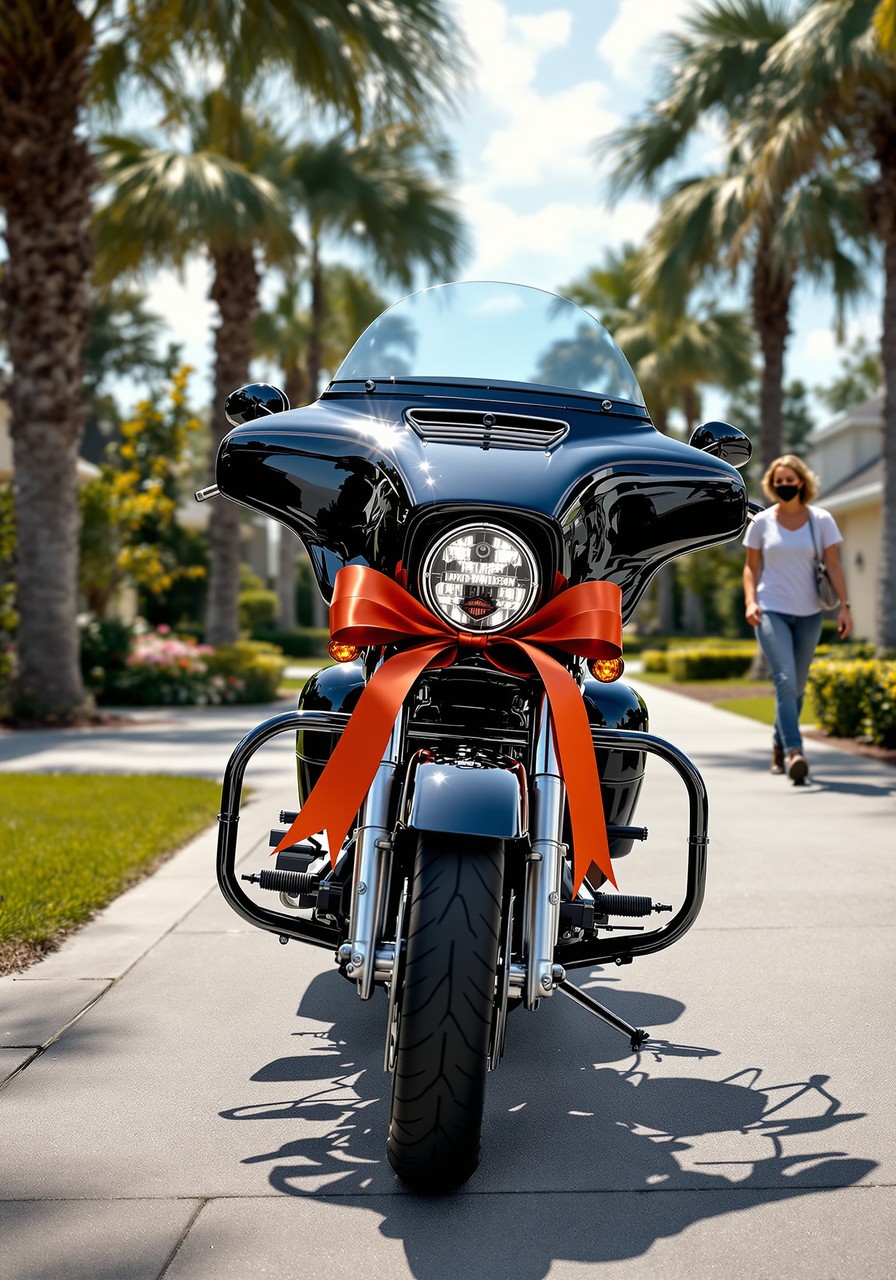
Every big giveaway starts with a community that shows up. Thanks for showing up. The next one is already taking shape. Stay tuned, Ride Nation. #RideNationOrlando #BikersWin #CentralFlorida
Local FL & Rides
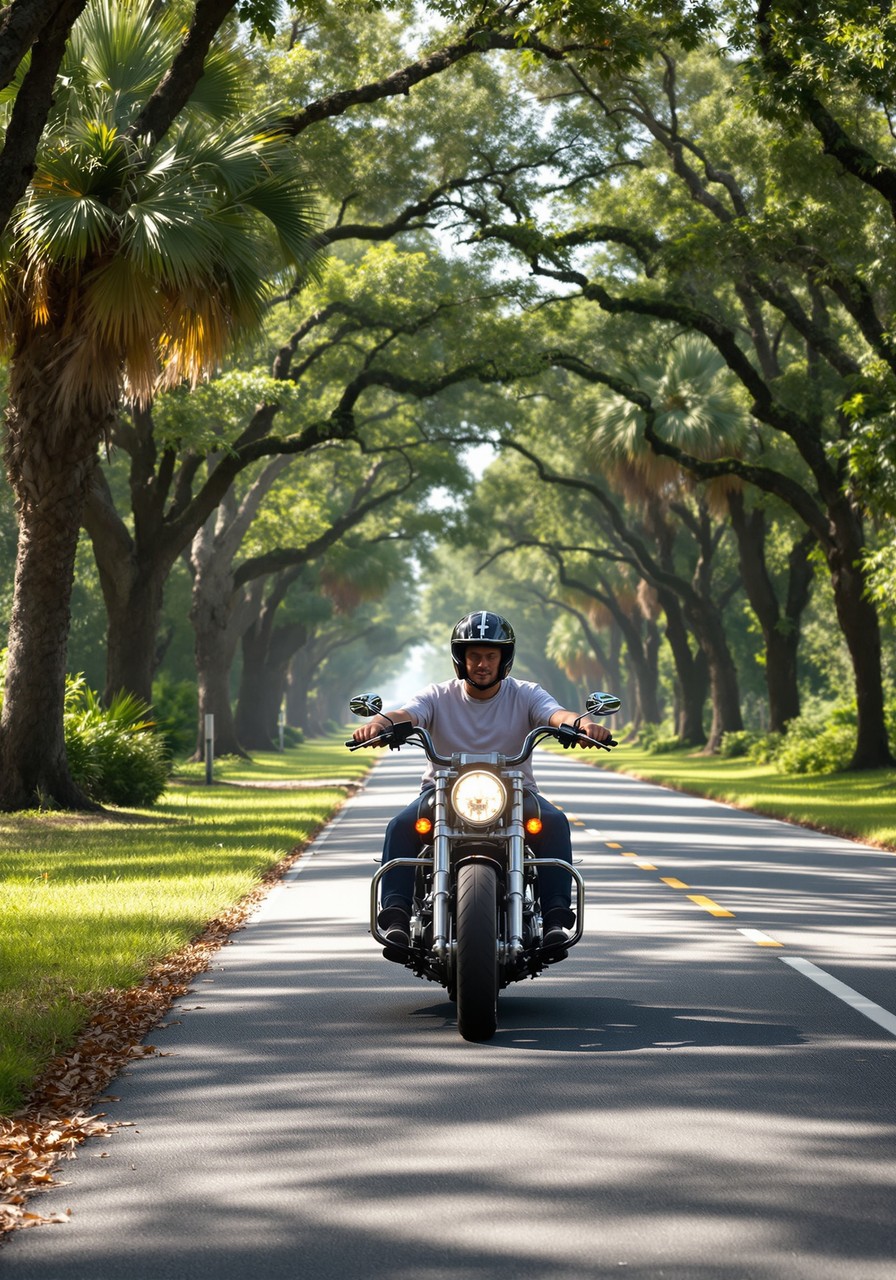
The 417 down to south Orlando is smooth, wide, and made for cruising. Set your pace, relax the shoulders, and let it flow. #RideNationOrlando #OrlandoRiders #CentralFlorida
Gear & New Iron
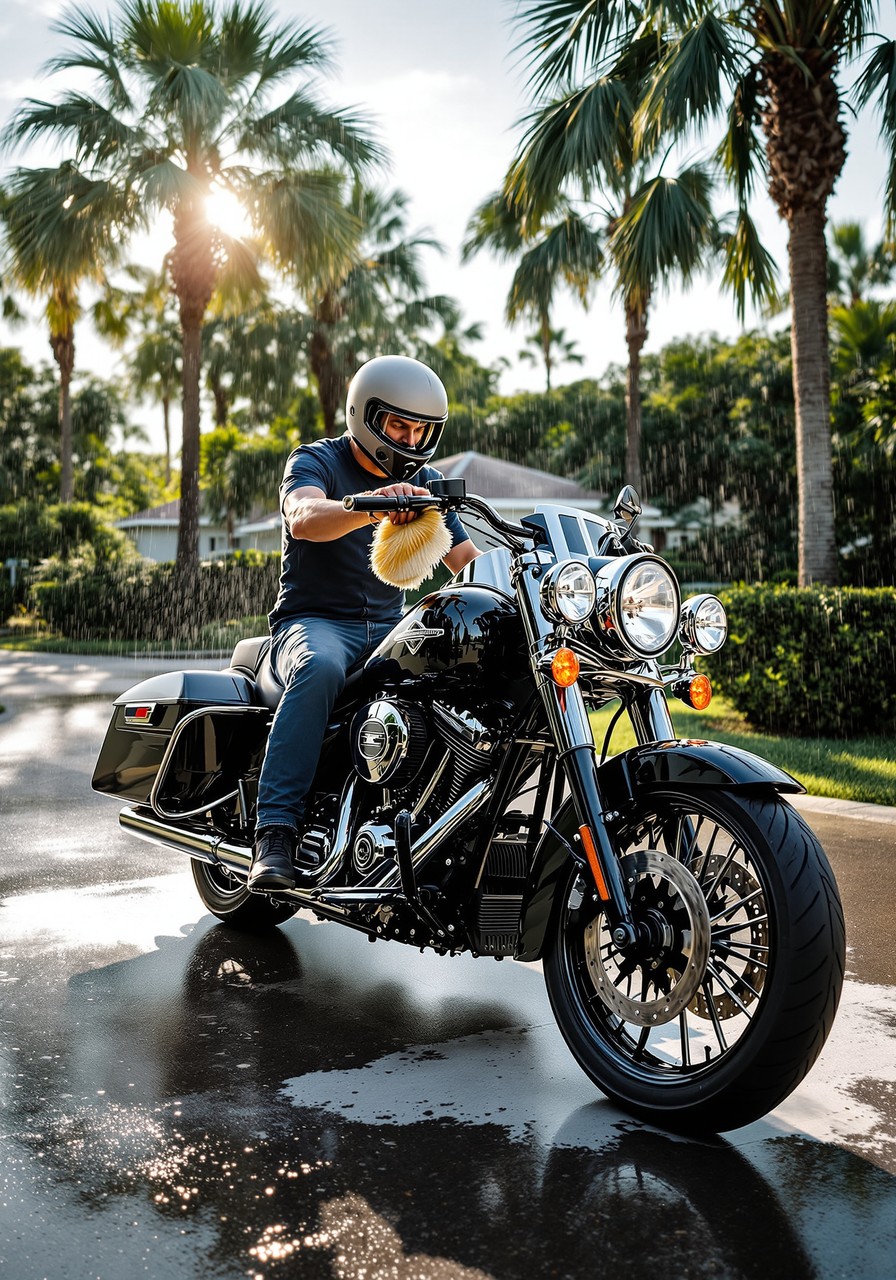
New bike, new tires, but they came coated in mold release from the factory. Take it easy and scrub them in before you lean hard. #RideNationOrlando #NewIron #MotorcycleMaintenance
Safety & FL Law
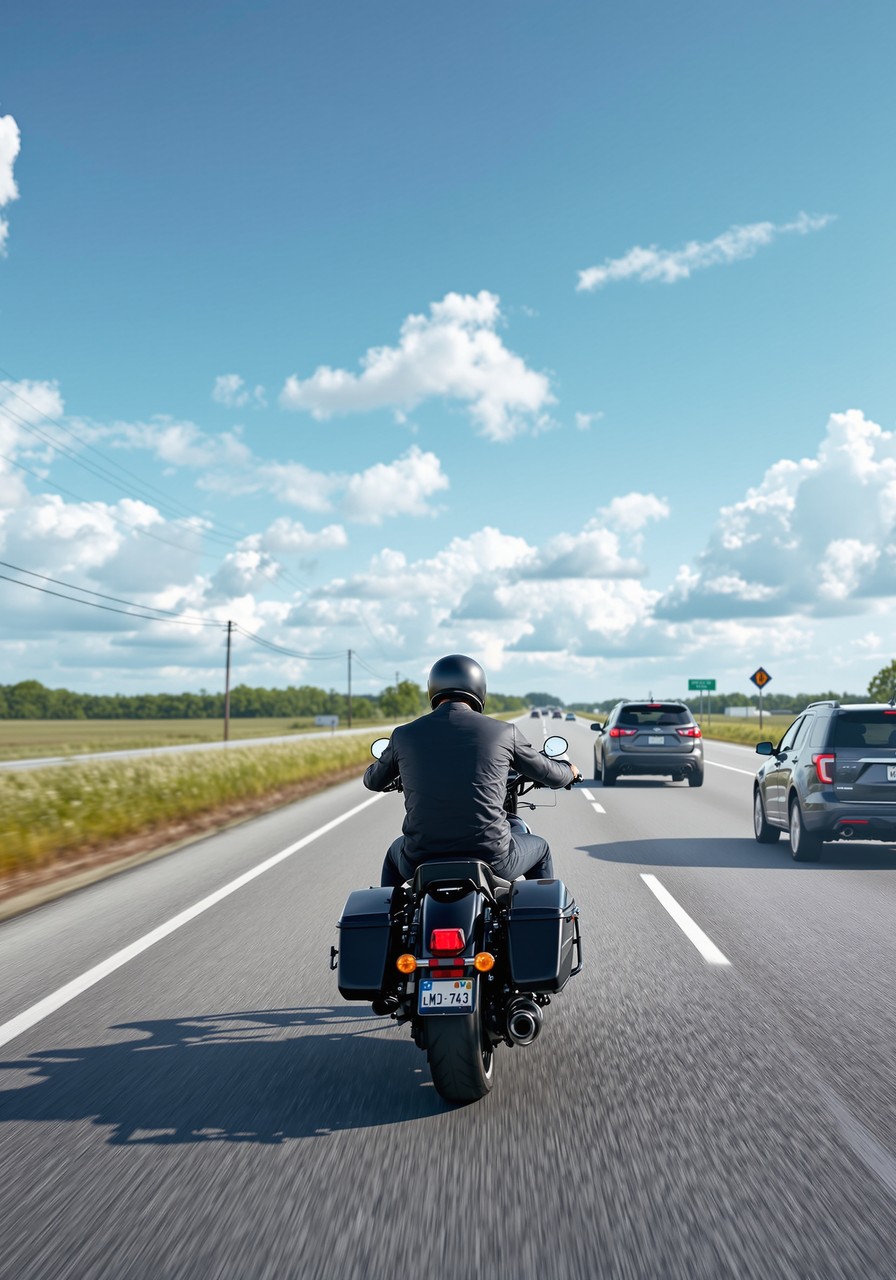
Your health insurance is doing heavy lifting in Florida because PIP will not touch your motorcycle injuries. Check your coverage before you ride. Already hurt? DeWitt Law Firm, 407-245-7723. #RideNationOrlando #FloridaLaw #KnowYourRights
Engagement
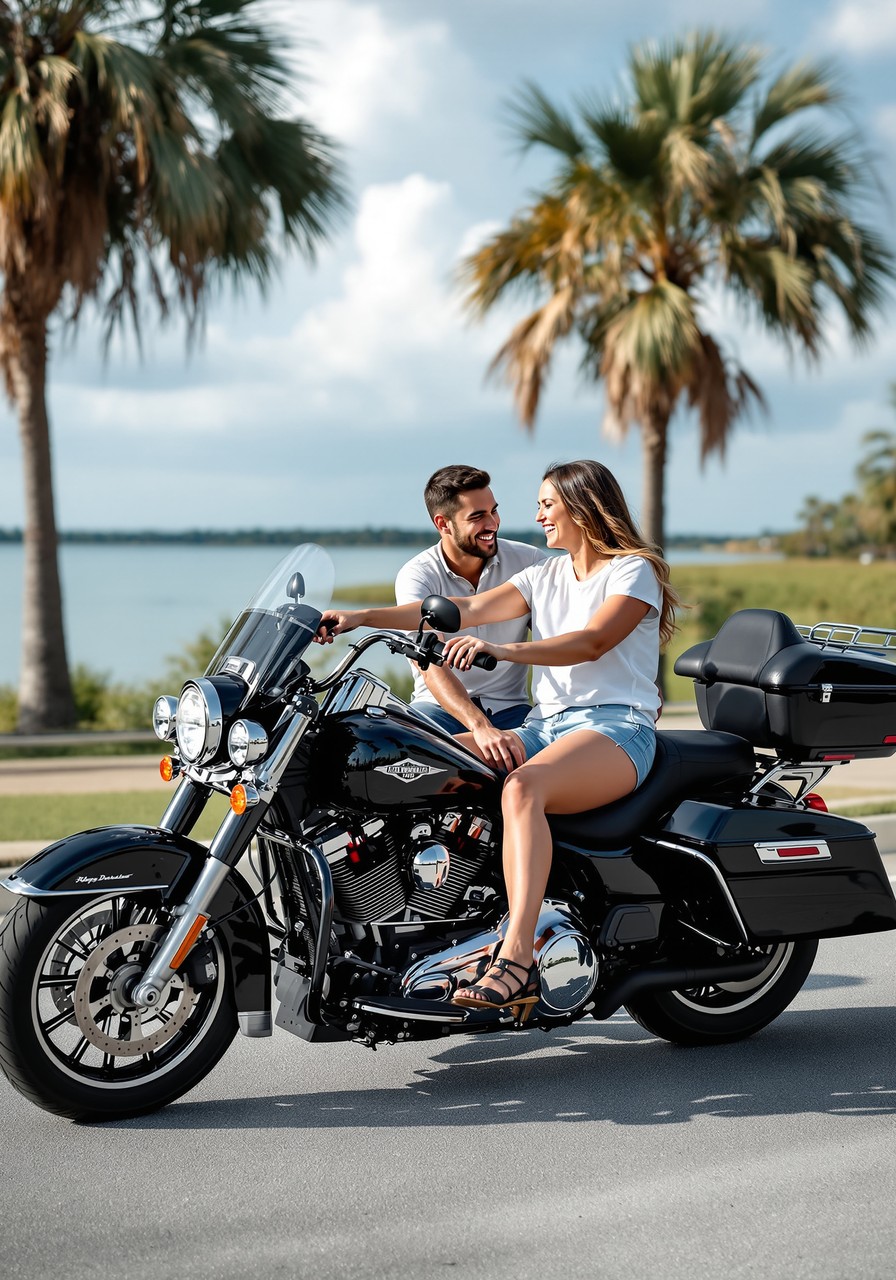
Fill in the blank: my number one reason for living in Florida is ______, and yes it involves two wheels. #RideNationOrlando #FloridaRiders #CentralFlorida
Giveaway & Countdown
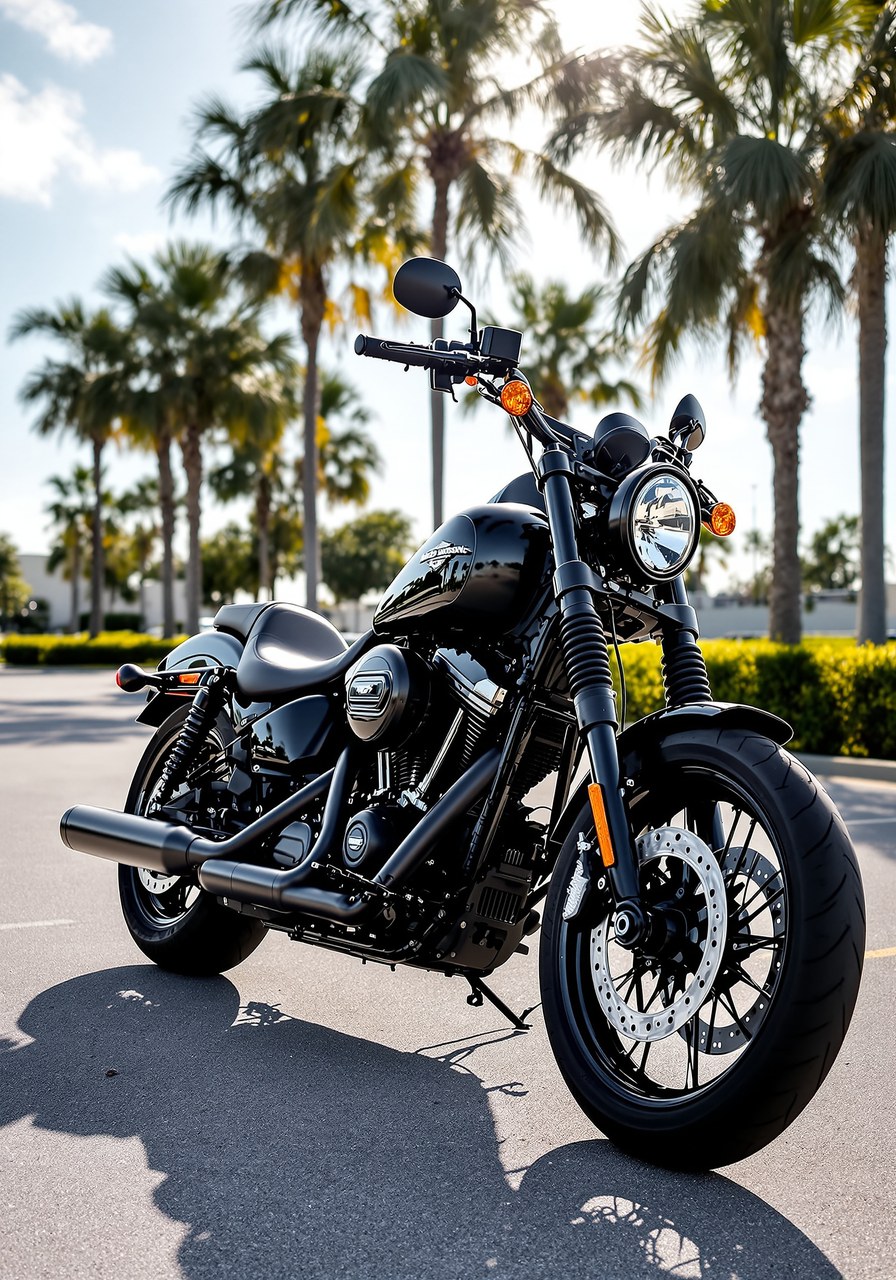
Ride safe, stay connected, and keep watching this page. The next chance to win big toward a new motorcycle is on its way. Questions after a wreck? DeWitt Law Firm, 407-245-7723. #RideNationOrlando #MotorcycleGiveaway #OrlandoRiders
Local FL & Rides
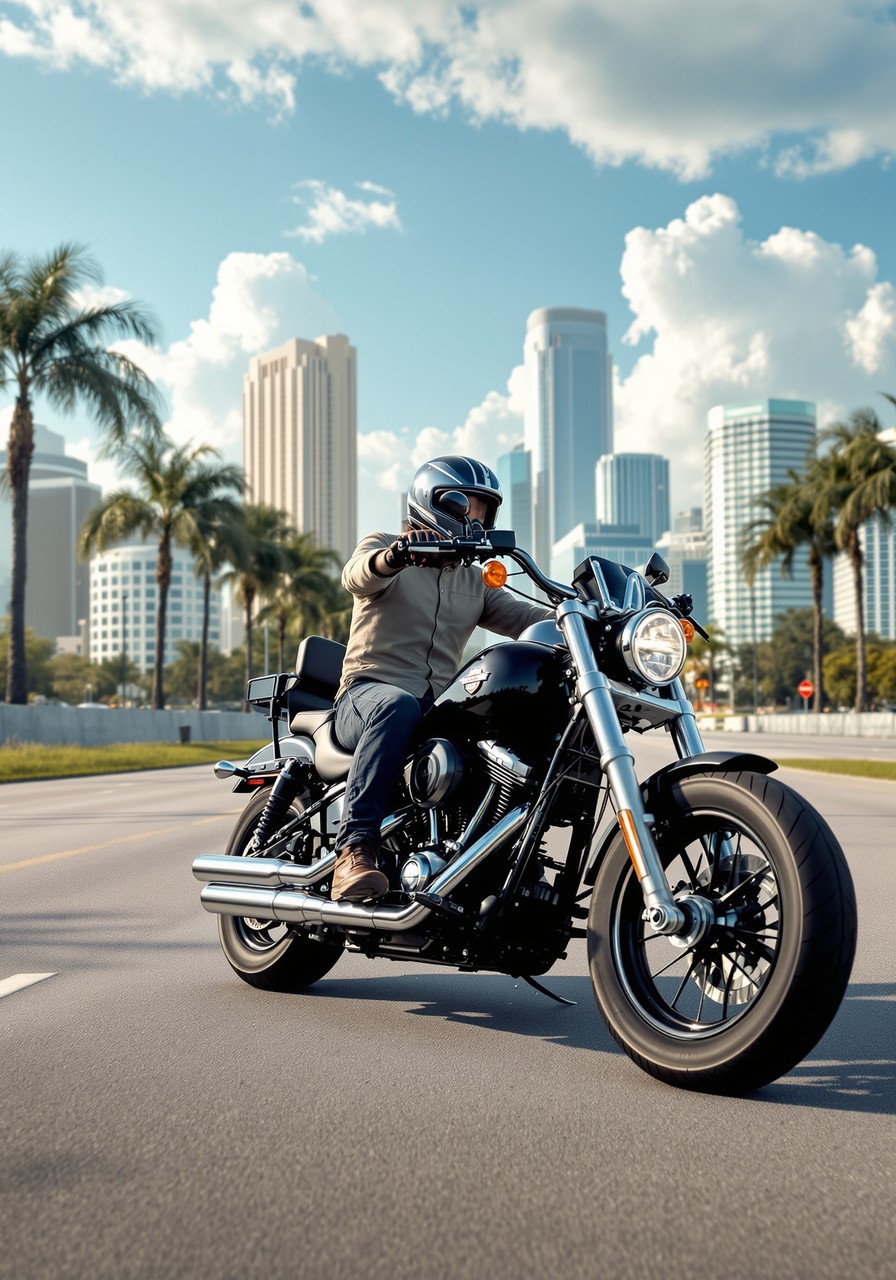
Bike Week buzz is already building for late February. Sort your route up to Daytona now and beat the traffic crush north. #RideNationOrlando #Florida #MotorcycleRoads
Gear & New Iron
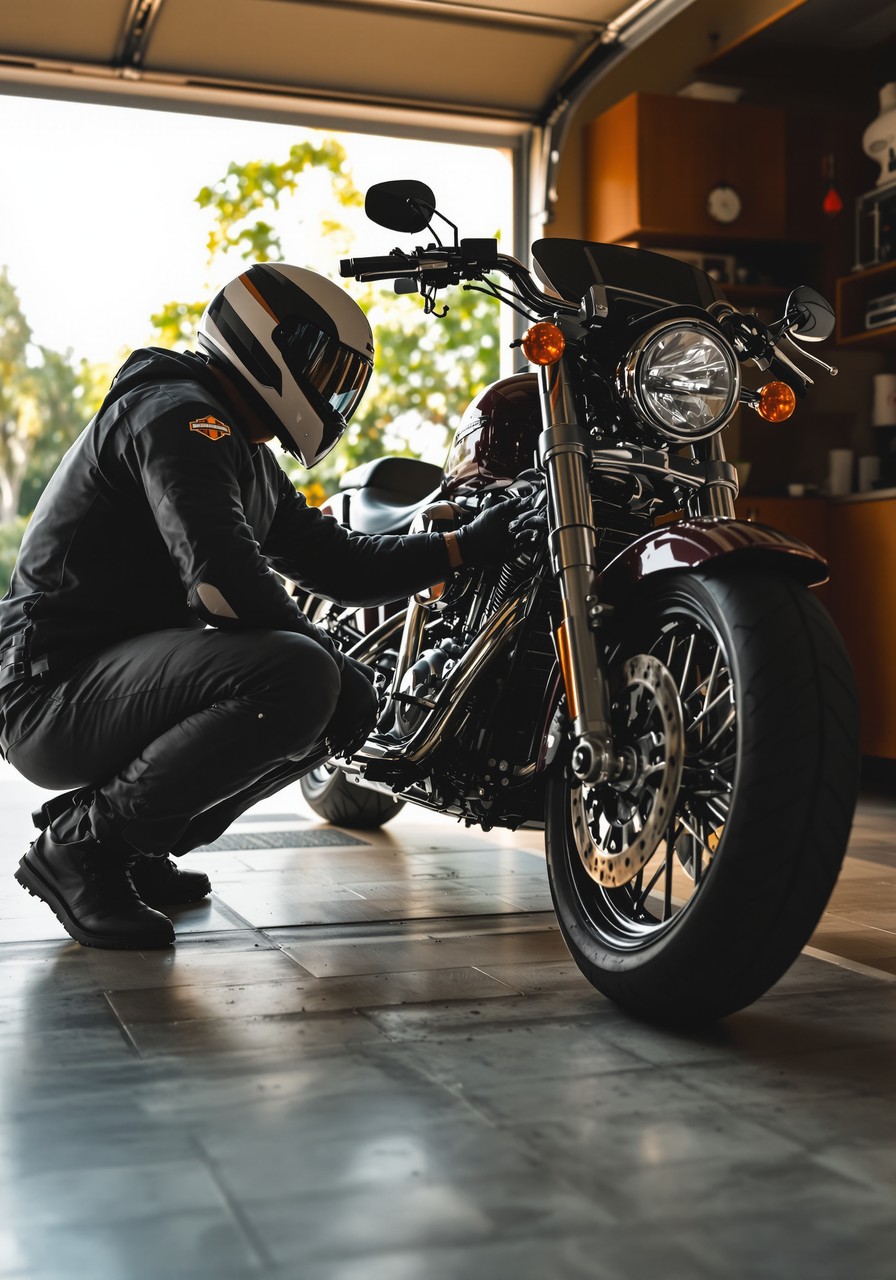
Whatever new iron you ride home, budget for gear too. A helmet, CE armored jacket, gloves, and boots are part of the purchase, not an afterthought. #RideNationOrlando #NewIron #ATGATT #GearUp
Safety & FL Law
Know the law, ride the ride, cover the gaps: no rider PIP, a 51 percent fault bar and a two year filing deadline are the Florida rules that hit riders hardest. Questions? Moe DeWitt, 407-245-7723. #RideNationOrlando #FloridaLaw #RiderSafety